
What to Know Before a Home Renovation Project
4 min read
611 words
The paint samples may be lined up on the kitchen table, but the first real sign of a renovation is usually less pretty: dust in the hallway, a skip outside, and someone asking whether the water needs turning off. The glossy part comes later. A home renovation can improve how a house works, but it can also expose hidden problems fast. Before choosing tiles or arguing over cupboard handles, it helps to understand the work, the mess, the money and the order things need to happen in.
Look Past the Finished Room
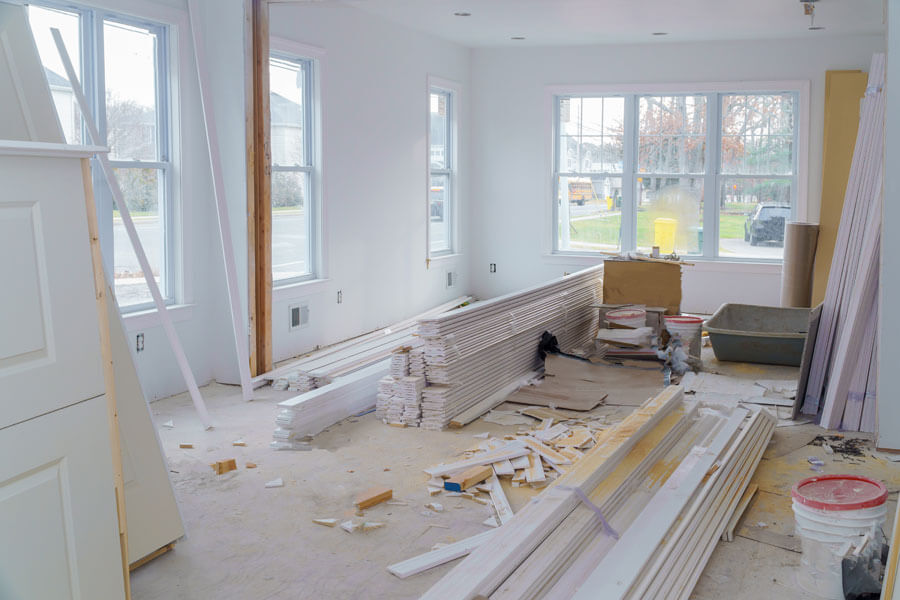
A new kitchen, extension or bathroom starts with clearing space, protecting the rest of the home and working out what is already there. Old flooring, damaged plaster, unused pipes, rotten timber or awkward wiring can change the job before the design has even begun.
Before skip dates and site clearance are arranged, walk through the area and decide what is staying, what can be reused and what needs removing safely. Rushing this stage can mean paying to move things twice, storing materials in the wrong place or discovering too late that access is harder than expected.
A room-by-room plan for renovating a house can help you think beyond decoration and focus on structure, services, timings and permissions. Even a small project benefits from knowing which jobs must happen first.
Get Honest About the Budget
A builder’s quote is only one part of the cost. Waste removal, temporary cooking arrangements, extra sockets, replacement flooring, decorating, delivery fees and last-minute fixes can all stretch the total. If the house is older, keep more room for surprises.
Write down the parts of the budget people often forget:
- Surveys, drawings or professional advice
- Waste removal and skip hire
- Temporary storage or accommodation
- Extra electrical or plumbing work
- Decorating after the main build
- A contingency for hidden damage
Looking at current house renovation costs can make early figures feel less like guesswork, especially when comparing one room with another. The point isn’t to scare yourself. It’s to avoid starting with a budget that only covers the visible work.
Plan Around Daily Life
Living through building work is different from imagining the result. Dust moves further than expected, trades need access early in the morning, and children, pets or remote work can make even a short job feel longer.
Think about how the house will function during the mess. If the kitchen is out of use, where will meals happen? If the bathroom is being replaced, is there another toilet? If the front path is blocked, can deliveries still reach the door? These details affect stress as much as the building work itself.
Neighbours deserve some thought too. Let them know about noisy days, skips or shared access before the work starts. A quick conversation can prevent irritation later, especially on narrow streets or terraced roads.
Choose People You Can Communicate With

A cheap quote can become expensive if the person doing the work is hard to reach, vague about timings or unclear about what is included. Ask for written details, not just a friendly chat at the door.
Check what happens if materials are delayed, who orders what, how changes are agreed and when payments are due. A good working relationship matters because renovations often involve decisions made under pressure, from moving a socket to changing a finish when stock runs out.
Before any work begins, take photos of the space, save copies of quotes and keep decisions in one place. A renovation feels easier to manage when the boring admin is organised, the messy stages are expected and the finished room is not the only thing you have planned for.







Measure twice, cut once they say… unless you’re me, in which case it’s “measure vaguely, curse loudly, and call a contractor.