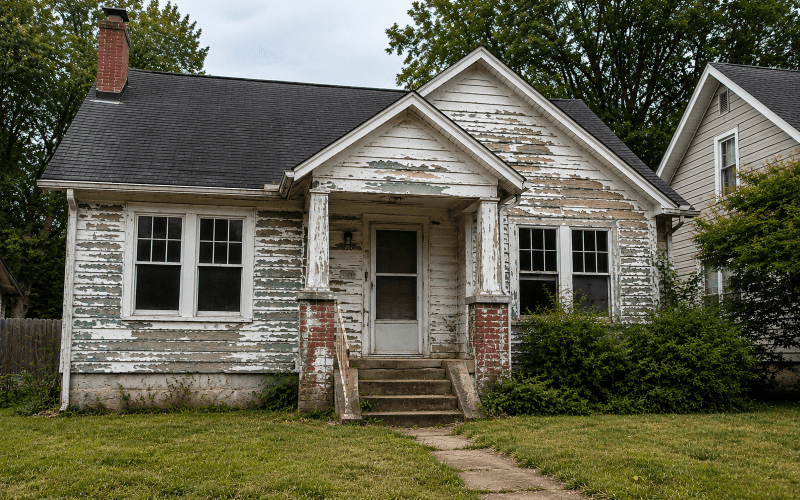
Got a Fixer-Upper House? Here’s What You Need to Do
5 min read
918 words
Buying a fixer-upper house can feel like stumbling onto a hidden treasure, an opportunity to save money while crafting a home that’s uniquely yours. But let’s be real: transforming a neglected property into your dream space isn’t something that happens overnight. It requires careful planning, a realistic view of your budget, and a smart strategy for tackling renovations. Whether you’re dipping your toes into homeownership for the first time or you’re a seasoned renovator ready for another challenge, knowing the essential steps will save you from expensive headaches down the road. This guide breaks down the critical phases you’ll need to navigate, from that first inspection all the way through to those satisfying final touches.
Conduct a Thorough Property Inspection
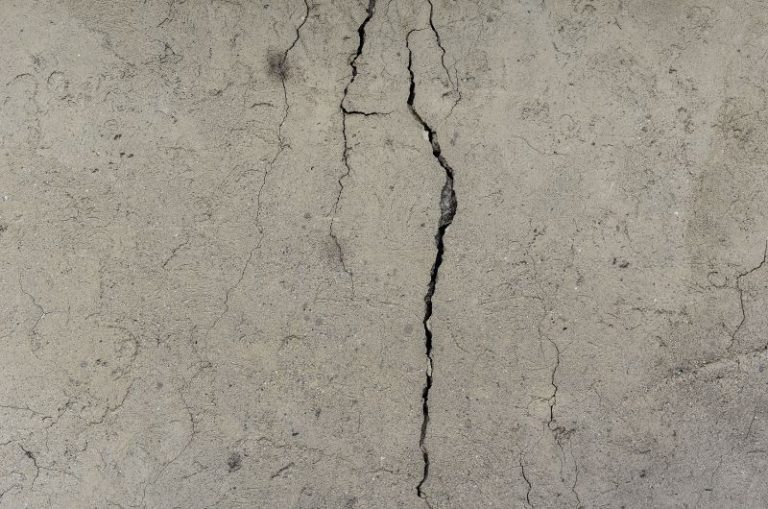
You can’t fix what you don’t know is broken. Before you start swinging that sledgehammer, bringing in a qualified home inspector is absolutely non-negotiable. They’ll dig into everything, foundation integrity, plumbing systems, electrical setups, and those sneaky safety hazards lurking behind walls. A proper inspection covers your roof condition, HVAC systems, water heater, insulation quality, and any telltale signs of water damage or unwanted critters making themselves at home.
Establish a Realistic Budget and Timeline
Let’s talk money, because getting this part wrong can sink your entire project. Start by sorting your expenses into three buckets: must-fix repairs, nice-to-have upgrades, and purely cosmetic touches. Structural problems and safety issues? Those jump to the front of the line, no questions asked. Here’s a pro tip from folks who’ve been through the renovation trenches: pad your budget with an extra twenty to thirty percent for those “surprise” expenses that will definitely pop up.
Prioritize Structural and Safety Issues
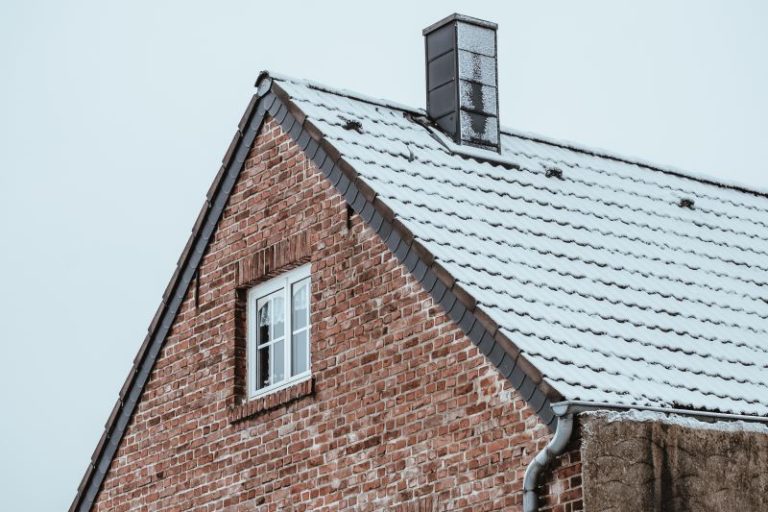
When you’re staring at a fixer-upper house, it’s tempting to dream about gorgeous countertops and statement lighting fixtures. But hold that thought, structural and safety problems need your attention first. Foundation issues, roof damage, sketchy electrical systems, and problematic plumbing aren’t just inconvenient; they’re potentially dangerous and can spiral into nightmare scenarios if you ignore them. Your roof deserves special attention because once it starts failing, water sneaks in everywhere, causing mold, rotting wood, and ruined insulation throughout your home. If you’re dealing with serious roof problems, professional roofing companies in Charlotte, NC who know residential repairs inside and out can evaluate the damage and map out real solutions. Old electrical systems are another red flag, they often don’t meet today’s codes and could spark a fire, meaning you might need a complete rewiring job. And those ancient pipes? They could be lead-based or corroded to the point of failure, requiring replacement sooner rather than later. Sure, these fixes won’t wow your friends on Instagram, but they’re the bedrock of a home that’s actually safe to live in and will protect what you’ve invested.
Plan Your Renovation Sequence Strategically
The order you tackle renovations can make or break your project, both in terms of your budget and your sanity. Generally speaking, you’ll want to work from the top down and from the inside out, starting with roof repairs and gradually moving through interior spaces before touching exterior cosmetics. Get your major systems, HVAC, plumbing, and electrical, sorted before you seal everything up with fresh drywall and insulation. Kitchens and bathrooms are where things get complicated, requiring careful choreography between electricians, plumbers, and carpenters, so extra planning here pays off big time.
Decide Between DIY and Professional Contractors
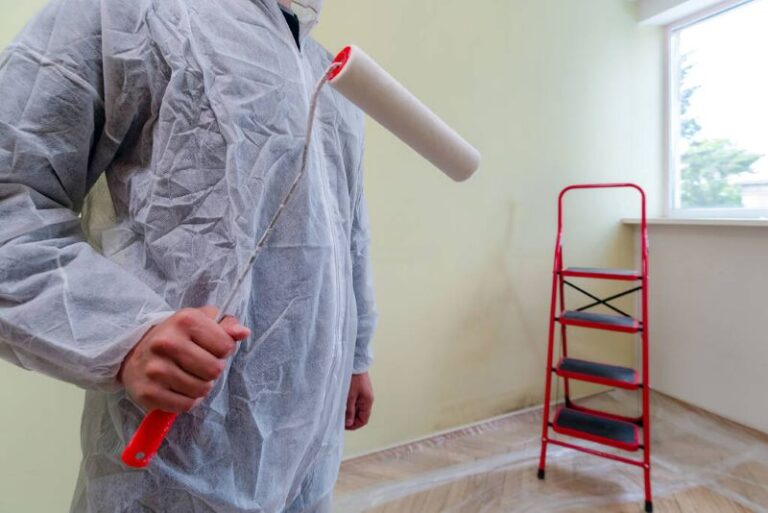
Figuring out what you can tackle yourself versus what needs a pro is crucial for keeping things safe and financially sound. Simple stuff like painting, basic landscaping, minor carpentry projects, and swapping out fixtures? Those are often fair game for DIYers who’ve got the right tools and done their research. But when it comes to electrical work, plumbing, structural changes, and roofing, those are jobs for licensed professionals who actually understand building codes and safety protocols. Be honest about your skill level here, because fixing your own mistakes can cost way more than just hiring someone who knows what they’re doing from the start.
Update for Energy Efficiency and Modern Living
While you’re fixing the immediate problems, why not make upgrades that’ll save you money for years to come? Modern insulation in your walls, attic, and crawl spaces makes your home dramatically more comfortable while slashing those heating and cooling bills. Energy-efficient windows cut down on drafts and noise while keeping your home’s temperature more stable than those old single-pane versions ever could. Switching to LED lighting, programmable thermostats, and Energy Star appliances continues the savings trend. Take a hard look at your home’s layout too, open floor plans and functional spaces are what today’s buyers want if you’re thinking about selling down the road.
Conclusion
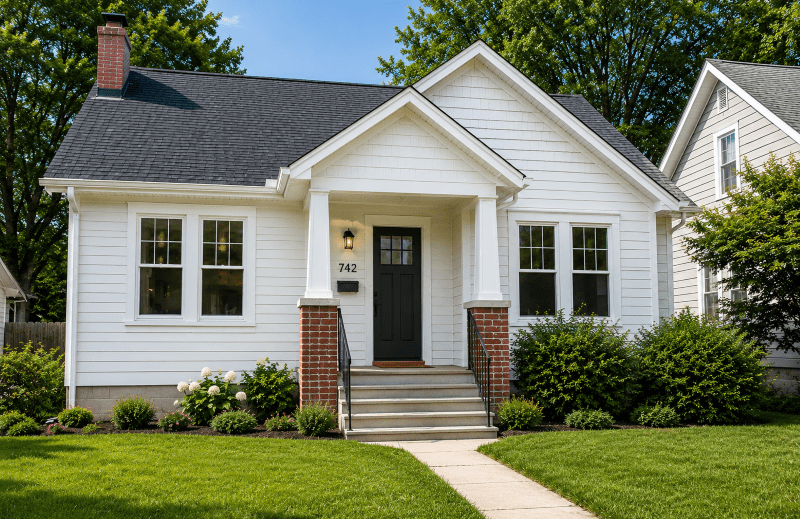
Turning a fixer-upper house into your dream home isn’t for the faint of heart, it demands patience, solid planning, and the flexibility to roll with the punches when things don’t go exactly as planned. By starting with thorough inspections, building realistic budgets, tackling structural repairs first, and carefully sequencing your work, you’re setting yourself up to actually succeed at this. Keep in mind that transforming a neglected property is more marathon than sprint, and keeping your cool during inevitable setbacks will help you push through to the finish line. The payoff, creating a personalized space while building real equity, makes the whole fixer-upper adventure worthwhile for many homeowners. With the right preparation and follow-through, that rough diamond of a house can become both a comfortable home and a smart financial move that serves you well for many years ahead.