Hair Loss After Weight Loss: Why It Happens and What To Do
4 min read
746 words
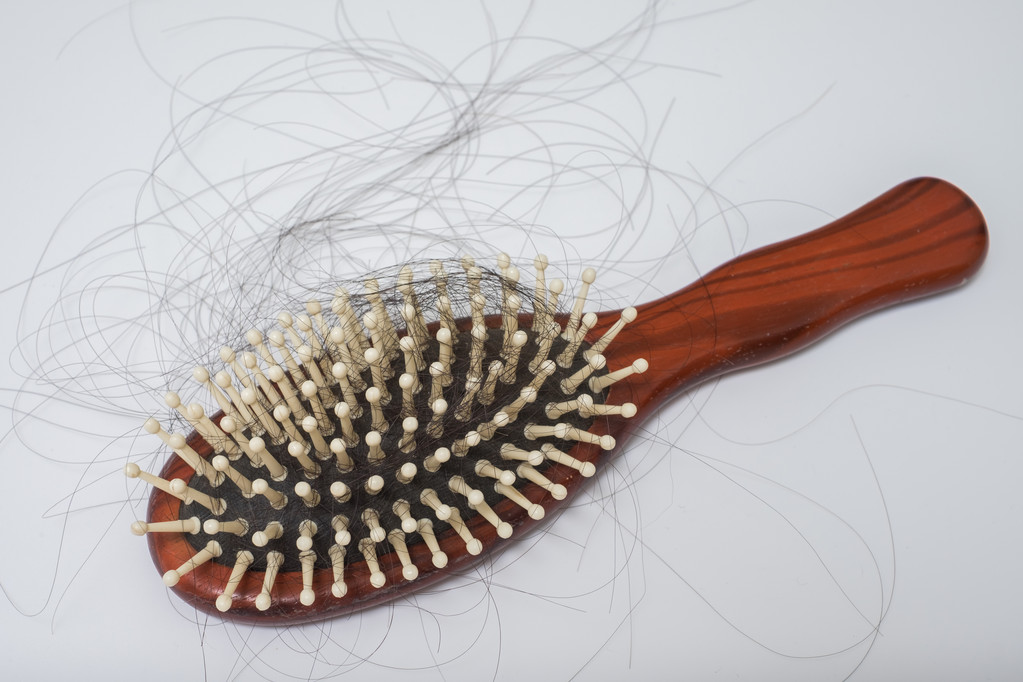
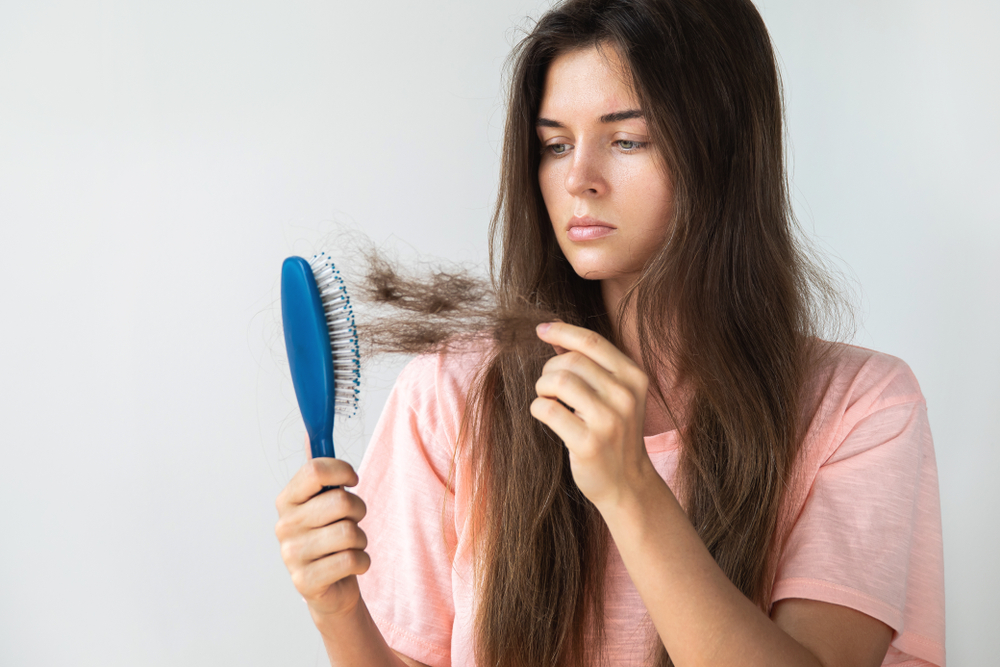
Losing weight can improve overall health and confidence, but for some people, rapid weight loss may also come with an unexpected side effect: increased hair shedding. Seeing more hair in the shower or noticing reduced thickness after significant weight changes can feel frustrating, especially when you’re working hard toward wellness goals. The good news is that this type of hair loss is often temporary. Understanding why it happens and how to support your body during the process can help minimize shedding and encourage healthier hair growth over time.
Why Rapid Weight Loss Can Trigger Hair Shedding
Hair growth is closely connected to overall nutrition and stress levels within the body. When weight loss happens too quickly—especially through restrictive dieting or dramatic calorie reduction—the body may shift energy away from non-essential functions like hair growth in order to prioritize more critical systems.
This can trigger a condition called telogen effluvium, where more hairs than usual enter the resting phase of the hair cycle. Instead of gradual shedding, you may suddenly notice increased hair fall several weeks or months after rapid weight loss begins.
Nutrient deficiencies can also contribute to thinning and shedding. Iron, protein, zinc, vitamin D, and biotin all play important roles in supporting healthy hair growth. If your diet lacks these nutrients during weight loss, hair follicles may become weaker over time.
That’s why many people exploring recovery strategies look into vitamins for hair loss to better understand which nutrients may support healthier-looking hair during periods of physical change.
Stress is another major factor. Significant weight loss can place both physical and emotional stress on the body, especially when combined with intense exercise routines or restrictive eating habits. Increased stress hormones may further disrupt the normal hair growth cycle, leading to additional shedding.
Tips To Support Healthy Hair During Weight Loss
One of the most important things you can do during weight loss is focus on balanced nutrition rather than extreme restriction. Hair follicles require consistent nutrients to maintain healthy growth, so prioritizing protein, healthy fats, vitamins, and minerals can help support stronger strands over time.
Many individuals also incorporate targeted wellness products like the best supplements for hair growth into their routines to help support nutritional balance while pursuing long-term health goals. Supplements may help fill nutritional gaps when paired with a healthy diet and consistent self-care habits.
Hydration and sleep also matter more than many people realize. Chronic stress, dehydration, and poor recovery habits can worsen shedding and impact overall hair quality. Managing stress levels through exercise, mindfulness, and sustainable routines may help support both wellness and hair health.
It’s also common for individuals focused on wellness and appearance to take a broader approach to self-care, including skincare education around topics like azelaic acid or benzoyl peroxide for acne while improving overall confidence and healthy habits.
Most importantly, patience is key. Hair growth cycles move slowly, and improvements often take several months. In many cases, shedding decreases once the body adjusts to weight changes and nutritional balance is restored.
Ultimately, hair loss after weight loss is often a temporary response to stress and nutritional shifts within the body. With a balanced approach to wellness, supportive habits, and proper nutrition, many people are able to improve hair strength and support healthier growth over time.
Health Disclaimer
The information provided in this article is for general informational and educational purposes only and is not intended as medical advice, diagnosis, or treatment. While every effort is made to ensure the accuracy and reliability of the content, it should not be used as a substitute for professional advice from a qualified healthcare provider.
Always seek the guidance of your physician, pharmacist, or other qualified health professional with any questions you may have regarding a medical condition, symptoms, medications, or before starting any new health, diet, exercise, or wellness program. Never disregard professional medical advice or delay seeking it because of something you have read here.
If you are experiencing a medical emergency, call emergency services immediately.
The author and publisher of this content make no representations or warranties regarding the completeness, accuracy, or applicability of the information provided and accept no liability for any loss, injury, or damage incurred as a result of the use or reliance on this information.
Individual results may vary, and health information may not apply to every person or situation. Always consult a licensed healthcare professional for personalized advice tailored to your specific needs.