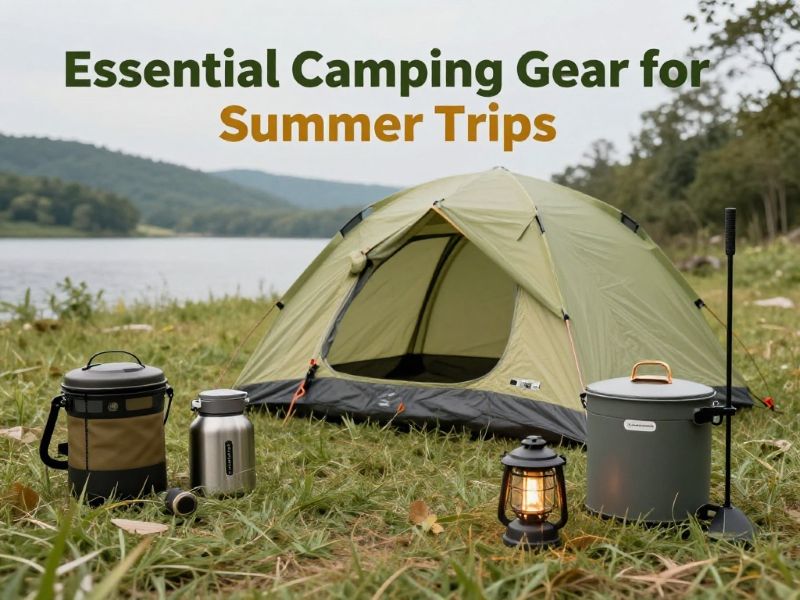
Essential Camping Gear for Summer Camping Trips
5 min read
888 words
1. Choosing Your Camping Style
Before you browse a summer camping gear list, you need to define your style. Your method dictates your packing priorities.
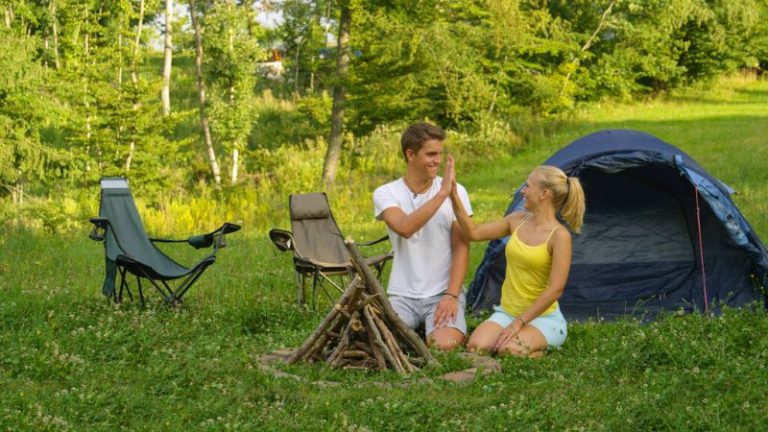
- Car Camping: Ideal for beginners and families. Since your vehicle is nearby, weight isn’t an issue. You can bring larger tents, comfortable air mattresses, and full cooking setups.
- Backpacking: This requires a lightweight camping gear list. Every ounce counts; you’ll prioritize compact, multi-use items and minimal shelter.
- RV Camping: Offers the most amenities but requires specific hookups and space management.
2. Shelter Essentials: Your Home Outdoors
Best Summer Camping Tents
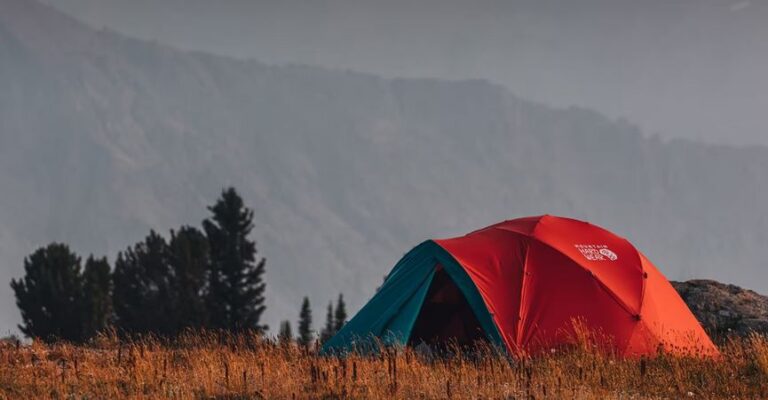
Your tent is your sanctuary. For summer, ventilation is king. Look for mesh windows and rainflies that offer airflow without sacrificing protection.
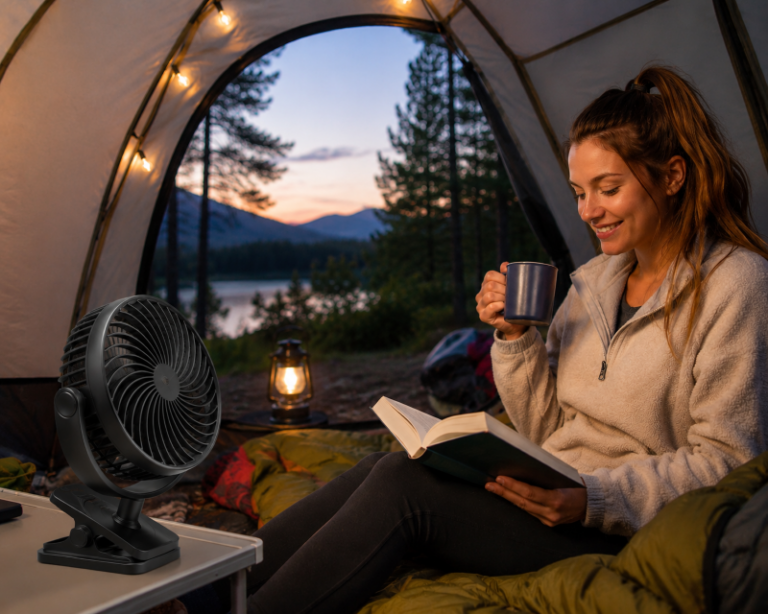
- Ventilation and UV Protection: Summer heat can turn a tent into a sauna. The best summer camping tents feature full-mesh bodies to maximize the breeze.
- Easy Setup vs. Durability: If you’re camping with kids, a pop-up tent is a lifesaver. For rugged terrain, invest in a durable, waterproof family camping tent with taped seams.
Sleeping Comfort
Summer nights can be warm, but the ground remains cool. A good night’s sleep requires the right insulation.
- Lightweight Sleeping Bags: Skip the heavy winter mummy bags. Opt for a lightweight sleeping bag for summer camping (rated 30°F to 50°F) or even a breathable linen liner.
- Sleeping Pads: An insulated sleeping pad prevents ground chill and provides necessary cushioning for your back.
3. Campsite Cooking and Meal Prep
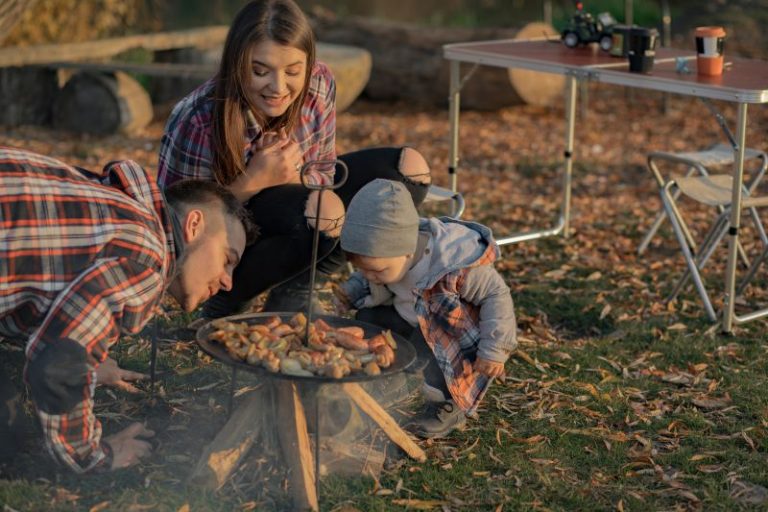
Nothing beats a hot meal in the wild. The best portable camping stove for summer trips is compact, reliable, and easy to light.
- Portable Cooking Systems: Canister stoves are lightweight and screw directly onto fuel canisters—perfect for boiling water quickly.
- Cookware and Mess Kits: Space is at a premium. Look for nesting cookware sets. Titanium or aluminum sets are both lightweight and durable for “one-skillet” meals.
- Multi-Use Tools: A spork that doubles as a knife and a pot that serves as a bowl saves critical pack space.
4. Hydration and Summer Survival
Staying hydrated is the number one rule of summer camping. Sweat loss is higher in the heat, and dehydration can sneak up on you.
- Water Storage: Carry at least 2 liters per person per day.
- Filtration Systems: Even at established campgrounds, water sources can be questionable. A portable filter or purification tablets are non-negotiable for safety.
- Sun Protection: Don’t forget wide-brimmed hats, UV-blocking sunglasses, and lightweight moisture-wicking long-sleeve shirts.
5. Safety and Navigation
First Aid and Family Safety
A basic kit should cover cuts, burns, blisters, and insect bites. Safety Gear You Should Never Skip:
- First Aid Kit: Always include antihistamines for unexpected allergic reactions.
- Emergency Prep: If you are camping with children, it is vital to stay vigilant. Check out our guides on Pool Safety Rules for Children Every Parent Must Know and A Comprehensive Guide to Summer Sunscreen Protection to ensure everyone stays safe under the sun and near the water.
Lighting and Tech
Once the sun sets, it’s pitch black.
- Headlamps: Essential for hands-free tasks like cooking or navigating to the restroom.
- Power Banks: High-capacity batteries can keep phones charged for emergency communication and photos.
6. Beach and Waterfront Hazards
Many of the best summer campsites are located near the water. While a lake or ocean breeze is refreshing, it brings unique challenges:
- Rip Currents and Shelving: Even in large lakes, currents can be deceptively strong. Always check local water conditions before swimming.
- Sand Management: Sand can ruin zippers and cookstoves. Keep a “sand-free” zone inside your tent and use a dedicated mat for wiping feet.
- Reflective Heat: The sun reflects off the water and sand, increasing your risk of burn. Ensure your shelter provides adequate shade during peak afternoon hours.
7. Common Camping Mistakes to Avoid
- Ignoring the Weather: Even on sunny days, temperatures can drop drastically at night. Always pack a layer for the cold.
- Poor Food Storage: Always use bear-proof canisters or lock food in the car to avoid attracting wildlife to your site.
- Forgetting Hydration Gear: Running out of water is dangerous. Always have a backup plan for sourcing clean water.
Conclusion
A successful summer camping trip is built on preparation. By focusing on the essential camping gear for summer trips, you ensure that your adventure is defined by comfort, safety, and pure enjoyment. Whether you are using a camping gear checklist for beginners or refining your advanced kit, the right gear transforms the outdoors from a challenge into a retreat.
Ready to hit the trail?