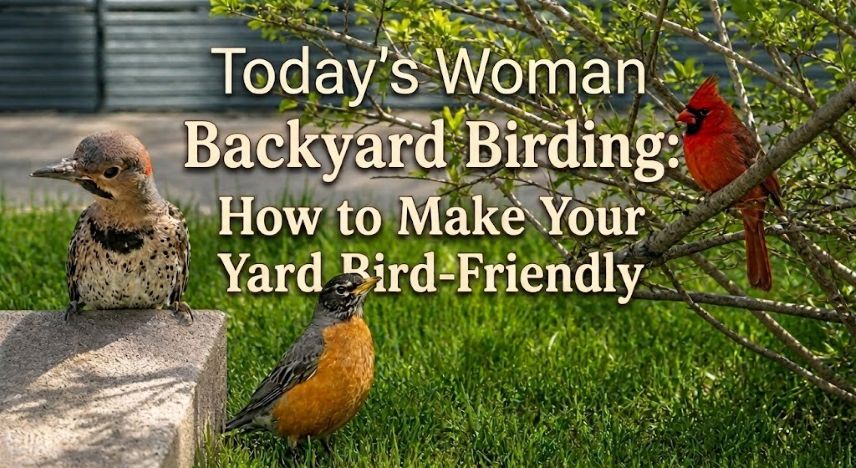
Backyard Birding: How to Make Your Yard Bird-Friendly
4 min read
694 words
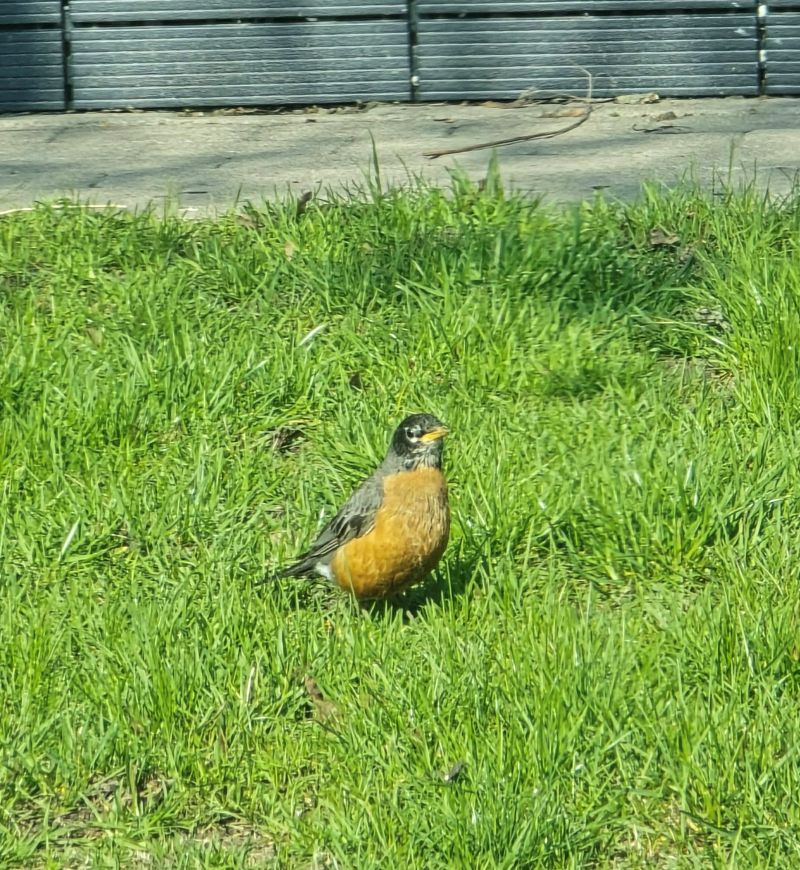
Welcome to mid-life, my friends. I have officially entered the world of backyard birding. In my case, it is the front yard where I watch the action. Either way, bird watching is peaceful. It also makes me feel very much in my fifties and I’m perfectly okay with that. May is the “Golden Month” for birding in Ontario, and as temperatures rise, our feathered friends return in droves. I have already seen cardinals, mourning doves, and robins all in my yard, making the most of the spring sunshine.
The Big Return
May marks the arrival of vibrant visitors like baltimore orioles and ruby-throated hummingbirds. While natural food is more plentiful now than in winter, these birds are exhausted. They need extra fuel for the high-energy demands of long-distance migration and nesting. Providing a little help through consistent backyard birding efforts can make all the difference.
I. Strategic Setup: The “Rules” of the Feeder
If you want to enjoy the birds without attracting “nature’s little acrobats,” you need a plan. Follow the 5-7-9 rule to keep squirrels at bay:
- 5 Feet Up: Mount your feeders at least 5 feet off the ground to prevent squirrels from jumping straight up.
- 7 Feet Across: Place feeders 7 feet away from horizontal “launch pads” like deck railings or fences.
- 9 Feet Down: Ensure there is a 9-foot gap below overhanging branches to stop aerial squirrel invasions.
Tech Spotlight: The Smart Bird House Investment
While I love the simple peace of watching from my window, I’m ready to take my backyard birding surveillance to the next level. I’ve been researching smart bird houses with integrated cameras that connect directly to my phone. Imagine getting a notification while drafting an article that a rare visitor has landed! Being able to see feather-close details right on my screen is the kind of high-tech birding I can get behind.
II. Fact or Fiction? Trending Backyard “Hacks”
You will see plenty of advice online. Here is the truth about two popular trends for 2026.
The Potato Hack: Some birders offer cooked potatoes. These must be baked or boiled and absolutely no seasoning. It is a soft carbohydrate source for ground-foraging birds like American Robins. However, ensure it is consumed quickly to avoid pests.
The Coffee Ground Trick: Never put coffee grounds in the feeder; they are toxic to birds. However, sprinkling them around the base of the pole can deter ants due to the strong scent. Keep your grounds far away from the actual food to prevent contamination.
III. Bird Safety: What to Avoid
- Forbidden Foods: Never feed birds bread or crackers. They offer no nutrition and cause wing deformities. Chocolate is highly toxic and must be avoided.
- The Color Trap: Birds can be startled by the color white, which they associate with alarm signals.
- Maintenance: If your red or orange hummingbird feeders have faded, replace them. If they lose their bright color, the birds will ignore them.
IV. Creating a Bird-Friendly Sanctuary
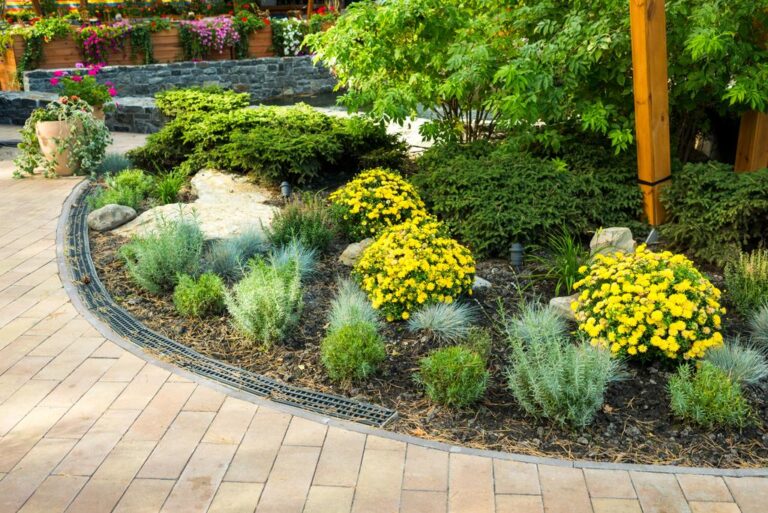
Transform your outdoor space into a thriving habitat by incorporating native plants and essential resources that support local wildlife. A well-designed backyard birding environment is the best gift you can give your local ecosystem.
- Spring Blooms: Planting Wild Columbine is an excellent way to entice early-arriving hummingbirds to your garden.
- Corridor Gardening: Incorporate Milkweed and Western Yarrow to provide vital nectar and attract the protein-rich insects that birds require to feed their nestlings.
- Water Features: Installing a shallow birdbath with a “dripper” can often be more attractive to birds than supplemental food alone.
- Pro-Tip: You can enhance your menu with seedless bird food, high-protein mealworms, and organic suet cakes; if you are starting a new garden, stocking up on native wildflower seeds will help the local ecosystem thrive.
Why It Matters
Birding is more than just a hobby. It is a way to reconnect with nature right outside your door. Whether you are observing a migration at the Point Pelee Festival of Birds or just watching a finch in your garden, take a moment to breathe. It’s part of the beauty of this season of life.
What’s the most unusual visitor you’ve seen this month? Tell us in the comments!