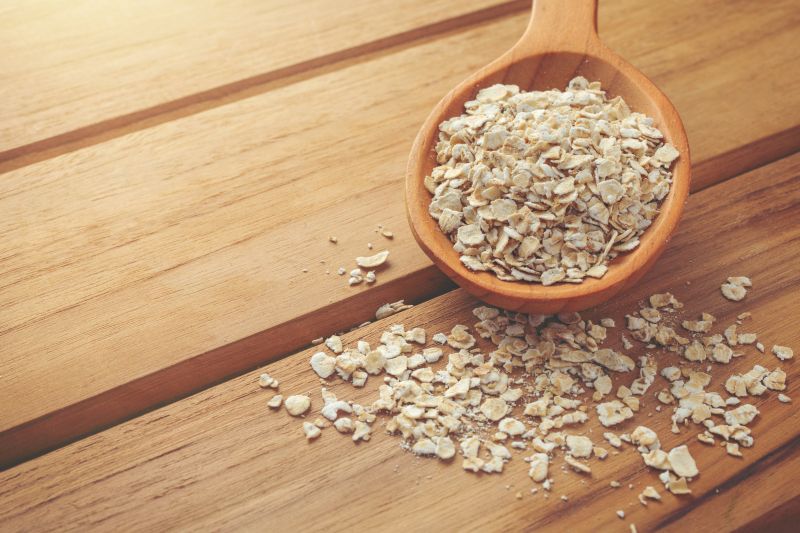
Oatmeal and Blood Sugar: What Happens After Breakfast?
4 min read
686 words
Many of us reach for a warm, comforting bowl of oatmeal. We often hear it is “heart-healthy,” and it remains a staple in kitchens everywhere. However, if you are mindful of your health or a diabetic, you may wonder: Does oatmeal spike blood sugar?
The relationship between oatmeal and blood sugar is a common topic of interest, especially for those looking for a healthy breakfast for blood sugar management. While the science may sound complex, it becomes quite simple once you break down how your body processes those morning oats.
1. Oatmeal Breaks Down Into Glucose
To grasp how your body responds, you first need to understand the basics. Oatmeal provides complex carbohydrates, which serve as the body’s main energy source. When you digest these carbs, they convert into glucose.
Consequently, your blood sugar levels rise after you eat. However, unlike processed sugary snacks that cause a quick and sharp spike, oatmeal usually leads to a slower and more gradual increase.
In other words, there is a clear difference between a fast “energy crash” and a steady, sustained energy release.
2. Fiber: The Key to Blood Sugar Control
So why does oatmeal not cause a massive spike like a donut or white toast? The answer lies in its fiber content. Oats contain a specific soluble fiber known as beta-glucan.
The beta-glucan benefits are significant. When it reaches your stomach, it forms a gel-like substance that slows digestion. Because of this, glucose enters your bloodstream at a more controlled pace.
As a result, this supports effective fiber and blood sugar control, helping maintain stable energy levels throughout the morning.
3. Not All Oatmeal Acts the Same
If you wonder, “Does oatmeal raise blood sugar levels?” the response really depends on the kind you pick. The glycemic index (GI), which indicates how fast food increases blood sugar, changes depending on how it’s processed.
- Steel-Cut Oats: These are the least processed. Because they are whole groats cut into pieces, they digest slowly. Therefore, they are the best oats for stable blood sugar.
- Rolled Oats: These are steamed and flattened. They produce a moderate blood sugar response.
- Instant Oats: These are highly processed and pre-cooked. Because the structure is broken down, they digest quickly and may cause a faster spike.
When comparing steel-cut oats vs. instant oats, the less processed option consistently supports a better glycemic response.
4. What You Add Matters
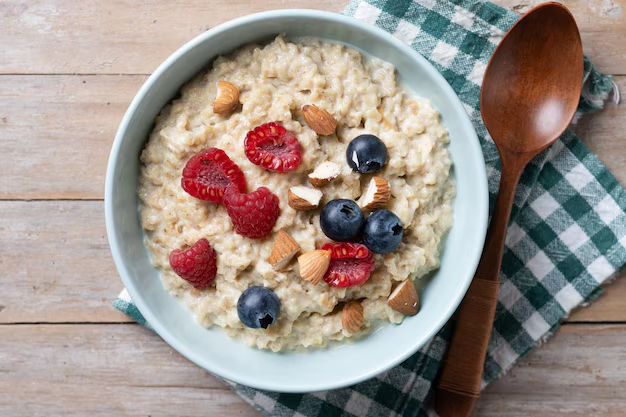
Your base grain is only part of the equation. In fact, toppings often determine how your blood sugar responds. Adding brown sugar, maple syrup, or dried fruit can quickly turn a low glycemic breakfast into a high-sugar meal.
Instead, you improve balance by adding protein and healthy fats. For example:
- Walnuts or almonds (healthy fats and protein)
- Chia seeds or flaxseeds (extra fiber)
- Greek yogurt (protein boost)
As a result, you create a balanced breakfast that supports more stable blood sugar levels.
5. Oatmeal Can Help Blood Sugar Control
Is oatmeal beneficial for people with type 2 diabetes? Many experts say yes. Research shows that the fiber in oats may improve insulin sensitivity over time.
Because of its heart-health benefits and steady energy release, oatmeal is often recommended as a breakfast option for diabetics in Canada and worldwide.
However, portion control remains essential. Even healthy foods can raise blood sugar if consumed in large amounts.
6. Tips to Avoid Blood Sugar Spikes
If you want to enjoy oatmeal while maintaining stable glucose levels, follow these simple strategies:
- Choose wisely: Opt for steel-cut or large-flake oats instead of instant packets.
- Balance your bowl: Always include protein and healthy fats such as nuts or seeds.
- Skip added sugar: Instead, use cinnamon or a few berries for natural sweetness.
- Mind portions: Stick to a standard serving size.
- Eat slowly: This supports better insulin response and digestion.
Conclusion
In summary, oatmeal does raise blood sugar because it is a carbohydrate. However, it does so in a gradual and manageable way compared to many processed breakfast foods.
Therefore, by choosing less processed oats and adding protein or healthy fats, you turn oatmeal into a powerful option for steady energy and long-term health.