Modern Wellness: Balancing Work, Home & Environment
5 min read
1000 words
Wellness gets talked about like it’s something structured: morning routines, fixed habits, organized spaces. Real days don’t really follow that. Things run into each other. Work starts early or stretches late. A room feels fine one day and slightly off the next, and there’s no clear reason for it. The air inside the house. The way light hits a screen late at night. The kitchen setup that either makes cooking feel doable or just not worth it. Nothing dramatic. Just small things that quietly shape how the day moves.
There’s also no clear separation anymore. Work shows up everywhere. A laptop on the table, notifications coming through at odd times, something always slightly unfinished.
Mindful Use of Household Cleaning Products
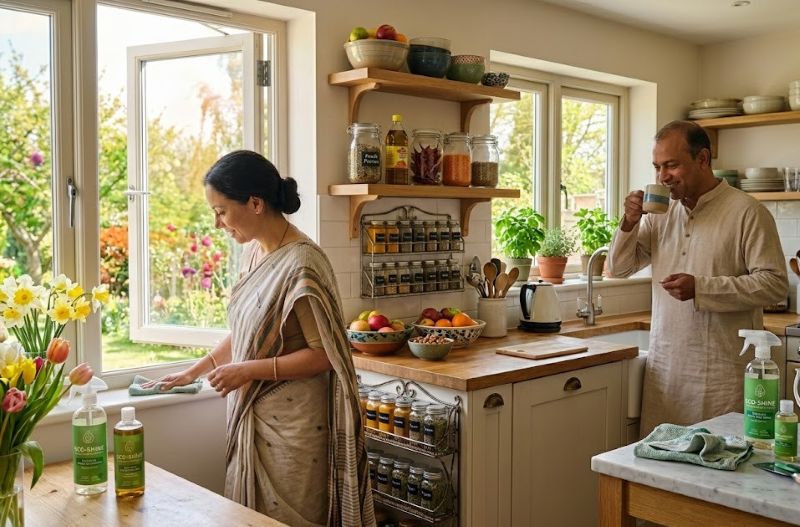
Cleaning usually happens without much attention: quick wipe, spray, done. Most products feel similar too. Strong smell, instant effect, that sense of “something has been cleaned.” But that smell sticks around. Sometimes longer than expected. Not always unpleasant, just heavy.
There’s been a gradual move toward products that don’t leave that kind of trace behind. Melaleuca: The Wellness Company sits in that space, offering cleaning products that feel lighter, along with a much larger range of wellness items that go beyond just the home.
Then there’s Wellness Insider from The Wellness Company, an online health and wellness resource, that offers valuable tips and information. It looks at wellness in a wider sense, not just physical health. It pulls in mental, environmental, social, and even financial aspects, and ties them together through research, newer ideas, and long-standing perspectives. The way it’s presented feels less like advice and more like something you can actually think through and apply in daily life.
Clear Start and Stop Signals for Work Hours
Work doesn’t really end cleanly anymore. It kind of fades out—one last thing, then another. Even after stepping away, it feels like something is still open somewhere.
Without a clear stop, the mind doesn’t really settle. It just carries that unfinished feeling into everything else. Not stressful exactly, just present.
Some people end up creating their own signals without thinking too much about it. Closing the laptop fully. Turning off a specific light. Moving away from a certain spot and not going back.
Kitchen Layout That Encourages Real Meals
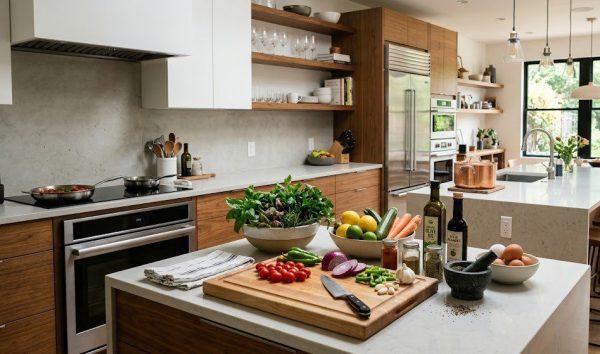
Some kitchens just feel easier to use. Not necessarily bigger or nicer. Just easier. If ingredients are visible, they tend to get used. If they’re pushed to the back somewhere, they’re easy to forget.
It’s a subtle thing. Nothing dramatic. Just a kind of quiet push. Either toward cooking something real or reaching for whatever is quickest. Most of it comes down to how things are placed.
Fresh Air as a Daily Habit, Not an Afterthought
Indoor air doesn’t really get noticed until something feels off. Windows stay closed, temperature stays controlled, and everything feels stable. Then, at some point, the space starts to feel a bit heavy. Not bad, just stagnant.
Opening a window changes that almost immediately. It doesn’t always become a routine right away. More like something that comes and goes. But once it starts happening regularly, the space feels different in a way that’s hard to ignore.
Managing Visual Input From Screens
Screens are just always there now. Work, phone, everything. They stay on longer than intended, but it doesn’t really feel like a decision. Brightness usually stays the same all day. What works in the morning carries into the night, even if it feels slightly off. The eyes adjust, but not completely.
Then there’s the constant checking. Small gaps in the day don’t stay empty anymore. A few seconds turn into scrolling without really thinking about it. It’s not loud or obvious. Just a steady stream of input that keeps the mind engaged all the time. Some people start pulling back on that without setting rules by lowering brightness in the evening, leaving the phone somewhere else for a while, or taking a pause and staying quiet.
Time Buffers Between Activities

There’s this habit of moving straight through the day without stopping. One thing ends, and the next begins almost instantly. It feels normal after a while. Expected, even. But something builds up in that flow. Not pressure exactly. Just a kind of carryover. The previous task doesn’t fully leave before the next one starts. It lingers a bit.
A short pause changes that more than expected. Nothing formal. Just sitting still for a minute, or standing somewhere without doing anything in particular.
Limiting Visual Reminders of Work in Personal Spaces
Work has this way of hanging around even after it’s done. Not in a big, obvious way. Just small traces. A laptop was left open a little. Papers were still where they were. A pen sitting there like it was just used a minute ago.
It doesn’t feel like clutter exactly. The space can still look clean. But something about it feels unfinished, like the room hasn’t fully moved on.
Here’s what helps:
- Letting work stuff stay in one area instead of slowly spreading across the house
- Closing the laptop fully, not halfway, not sleep mode, actually shut it down
- Flipping notebooks shut so nothing is left open staring back at you
- Unplugging chargers or moving them out of sight after you’re done
- Clearing off the table or couch, even if it’s just shifting things somewhere else
- Having one place to drop everything at the end of the day so it disappears quickly
After that, the room feels a little different. Not in a dramatic way. Just less loaded. Like nothing is waiting there anymore.
None of this stands out on its own, but they stack up. Quietly. Over time, the day starts to feel less crowded. Not slower, just less compressed. Things begin to have space again. And that space changes how everything else fits together.