Grocery Shopping Guide: Navigating Rising Food Prices
3 min read
519 words
If you have felt a sting in your wallet at the checkout counter lately, you certainly aren’t alone. From coast to coast, Canadians are grappling with the reality of higher grocery bills, consequently sparking a trend that has many families rethinking their weekly shopping habits. In addition to persistent inflation and supply chain disruptions, the increasingly common phenomenon of “shrinkflation” means the way we shop is fundamentally changing. Therefore, in this guide, we’ll explore why food prices are rising and offer actionable tips to keep your budget on track.
Why Are Food Prices Still Rising?
It’s the question on everyone’s mind: why are groceries so expensive? While the headline rate of inflation has fluctuated, the cost of feeding a family remains stubbornly high. Specifically, several key factors are driving these grocery price increases in 2026:
Global Supply Chain Volatility: Even small disruptions in global trade can cause ripples that ultimately reach your local supermarket shelves.
Fuel and Transportation: Because energy costs remain volatile, the price to move goods remains a significant expense.
Climate Impacts: Extreme weather continues to disrupt crop yields; as a result, shortages of staple goods drive up prices.
Labour Shortages: Higher wages in agricultural sectors have likewise added to the overall cost of production.
What Is Shrinkflation?
You might have noticed that your cereal box looks sleeker or your bag of chips feels half-empty. This is shrinkflation—a strategy where companies reduce product size while keeping the price the same. However, you can protect yourself by learning how to spot it.
How to Spot Shrinkflation
Companies use smaller packaging to maintain margins without triggering sticker shock. To counter this, here is how you can stay vigilant:
Compare Unit Prices: Don’t just look at the price tag; instead, look at the price per 100g to see the true value.
Watch for “New Look” Labels: Often, a redesign is actually a precursor to a volume reduction.
Check the Weight: Always compare the net weight to older versions in your pantry so that you aren’t caught off guard.
Why You Now Have to Buy More Online

Furthermore, you may have noticed that retailers like Amazon now require a minimum order quantity for grocery items. For instance, you might be required to buy three identical items. Essentially, platforms adopt these requirements to streamline shipping; consequently, consumers face increased initial costs without bulk-purchase benefits.
Practical Tips to Beat Rising Prices
Fortunately, you don’t have to settle for these price hikes. Take control of your food budget with these strategies:
Prioritize Store Brands: Generic brands frequently offer identical ingredients at a fraction of the cost.
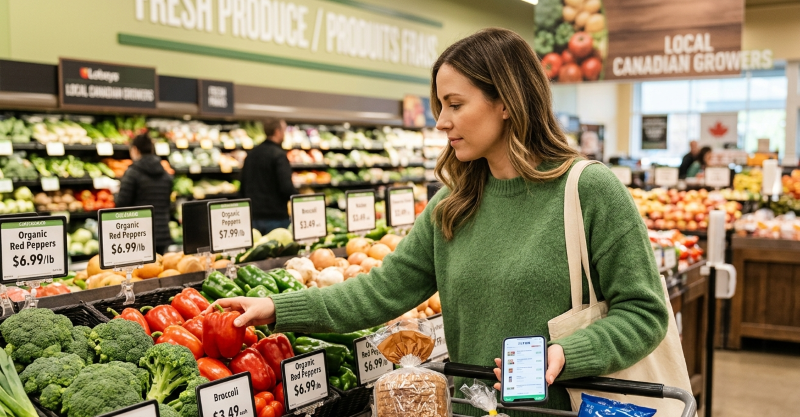
Use Price-Matching Apps: By using apps to track flyers, you can see the best deals before leaving the house.
Embrace Batch Cooking: Buying in bulk is undoubtedly one of the most effective ways to lower costs.
Meal Prep: If you plan meals around what is on sale, you avoid impulse buys.
Adapting to the New Reality
The era of carefree grocery shopping is evolving. By staying informed about inflation and utilizing technology, you can successfully protect your household finances regardless of market shifts.