Health Tracking Ring: The Smart Way to Monitor Your Wellness
5 min read
835 words
In recent years, the landscape of wearable technology has undergone a significant transformation. While bulky wrist-worn devices once dominated the market, a sleek new contender has emerged: the health tracking ring. These innovative devices are rapidly gaining popularity among wellness enthusiasts who prefer a subtle, minimalist approach to monitoring their vitality. By offering a discreet alternative to traditional watches, the smart ring has become the go-to accessory for those who want comprehensive data without the constant distraction of a screen.
What Is a Health Tracking Ring?
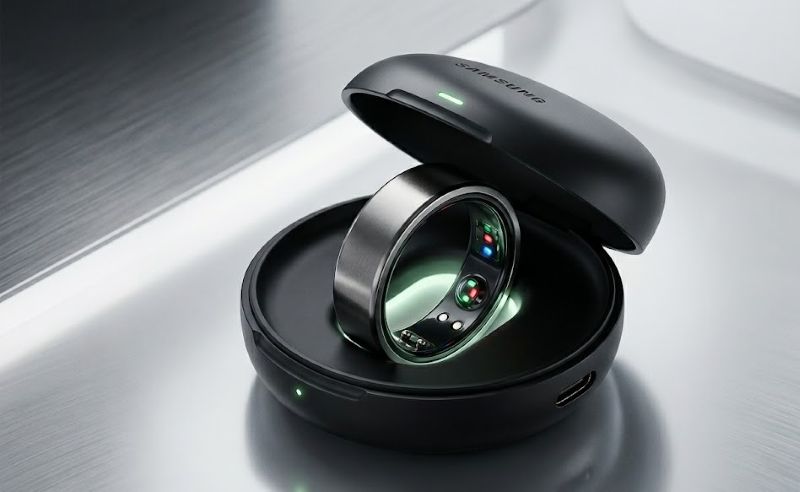
A smart ring is a compact, high-tech wearable health device designed to capture biometric data directly from your finger. Utilizing advanced smart ring technology, these devices house an array of sensors—including photoplethysmography (PPG) sensors for heart rate, medical-grade thermistors for temperature, and accelerometers for movement. By placing sensors close to the arteries in the finger, these rings provide highly accurate biometric tracking in a form factor that looks and feels like standard jewelry.
Key Features of Health Tracking Rings
Modern rings do much more than count steps. They offer a suite of sophisticated features, including:
- Sleep Monitoring: A high-quality sleep tracking ring analyzes your REM, light, and deep sleep stages.
- Heart Rate & HRV: Continuous monitoring of your heart rate and heart rate variability (HRV) to assess your cardiovascular health.
- Activity Tracking: Automatic detection of movement and calories burned.
- SpO2 Tracking: A blood oxygen smart ring monitors your blood saturation levels overnight or during the day.
- Stress & Recovery: By analyzing physiological signals, these rings provide actionable insights into your body’s stress levels and daily recovery needs.
Benefits of Using a Smart Ring
Why choose a ring over other devices?
- 24/7 Monitoring: Their lightweight design makes them comfortable enough for 24-hour wear, ensuring you never miss a data point.
- Passive Tracking: Unlike smartwatches that require interaction, these are passive health tracking devices—set them up once and let them work in the background.
- Longevity: With minimal power consumption, many rings boast battery lives lasting several days, far outperforming most smartwatches.
- Data-Driven Decisions: Personalized health insights help you make informed choices about your diet, exercise, and sleep hygiene.
Health Tracking Ring vs Smartwatch
When comparing a smart ring vs smartwatch, the primary difference lies in the user experience. Smartwatches act as an extension of your phone (notifications, GPS, apps), while smart rings focus exclusively on health data. Smart rings win on comfort and style, as they don’t interfere with clothing or sleep, and they provide a “screenless” experience that reduces digital dependency.
Who Should Use a Health Tracking Ring?
- Fitness Enthusiasts: Those who want to track recovery metrics without wearing a bulky watch during heavy lifting or combat sports.
- Sleep-Focused Users: Individuals looking for the most accurate sleep-stage data without the light pollution or weight of a smartwatch.
- Busy Professionals: People who want to stay informed about their well-being throughout a hectic workday without being tethered to a screen.
Popular Health Tracking Rings
- Oura Ring Gen3: The industry leader in sleep and wellness analytics.
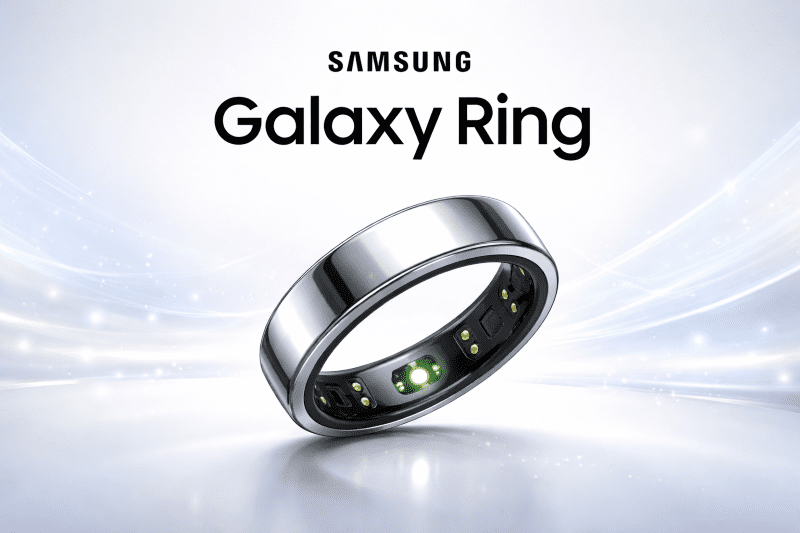
- Samsung Galaxy Ring: A powerful choice for those already integrated into the Android ecosystem.
- Ultrahuman Ring AIR: Known for its lightweight feel and advanced metabolic insights.
- Comparison: Each model offers unique aesthetic designs and proprietary algorithms, making the “best” choice dependent on your specific health goals and smartphone platform.
Things to Consider Before Buying
Before investing in a smart ring health tracker, consider:
- Subscription Costs: Many top-tier devices require a monthly subscription for full data access.
- Sizing: Most brands send a sizing kit; ensure a perfect fit to guarantee sensor accuracy.
- Compatibility: Check that the app syncs seamlessly with your iOS or Android device.
- Data Privacy: Research how companies handle your sensitive biometric data.
Limitations of Health Tracking Rings
It is important to understand the realities of current technology. Smart rings lack a screen, meaning you cannot see real-time data or notifications. They are also not designed to replace high-end sports watches for real-time GPS tracking or high-intensity interval training. Furthermore, while sensor accuracy has improved, it can be affected by ring fit and skin temperature.
The Future of Smart Rings
The future of wearable AI health technology is incredibly bright. We are moving toward rings that integrate AI-driven coaching, more advanced medical sensors (such as continuous glucose monitoring and non-invasive ECG smart ring technology), and deeper integration into preventative healthcare ecosystems. As algorithms become more “intelligent,” your ring will likely shift from just reporting data to predicting health trends before symptoms arise.
Conclusion
The health tracking ring is more than just a trend; it is a fundamental shift toward intuitive, unobtrusive wellness. By combining powerful biometric sensors with a minimalist aesthetic, these devices empower you to take control of your health in a way that fits seamlessly into your life. Whether you are aiming to improve sleep, track recovery, or monitor stress, a smart ring offers the most elegant solution for long-term health tracking. Ready to start your journey? Choose the device that aligns with your lifestyle and start unlocking your body’s data today.