
Here’s What Women Should Know About Menopause
5 min read
810 words
Do you struggle with brain fog or sleep problems? Are you dealing with irregular periods, mood swings, or night sweats? If you are a woman in your 40s or 50s, you are likely feeling some or all of these symptoms. Often, the cause is perimenopause. This is the stage when your body begins the transition into menopause.
During perimenopause and menopause, your estrogen levels start to drop. This drop can trigger many different symptoms. While most people know about hot flashes, other issues are less discussed. These include:
- Brain fog
- Mood changes
- Poor sleep
- Depression
These symptoms are all linked to lower estrogen levels.
It is important to remember that perimenopause is not dangerous. It is a natural biological process that every woman experiences. However, it can be uncomfortable and may make your daily life more challenging.
When Does Menopause Typically Start?
At the average age of 51, women enter menopause. It can also happen in the late 40s. Experts believe menopause is genetically determined. It may be important to ask your mother when she experienced it. But this isn’t true for every woman. Individual experiences can still vary. This is true even if relatives had similar experiences.
When women approach menopause, they may notice bodily changes. Periods become irregular due to declining hormones. This transition can last for years for some women. For some, the process is smooth. For others, it is difficult. Many women turn to options like HRT. This can help make the experience more manageable.
What Are the Common Symptoms of Menopause?
The ones we’ve discussed thus far are common symptoms, but there are others like:
- Joint and muscle aches
- Heavy bleeding
- Vaginal dryness
- Breasts become tender
- Headaches
It Has Different Phases
Even though “menopause” refers to a point in time when a woman has not had a period for 12 months, it is part of a larger process. It is bracketed by perimenopause and postmenopause. Female babies are born with an average of 1.2 million to 300,000 eggs. Right after birth, this number begins to decline gradually. During perimenopause, the number drops to the low thousands. When egg levels become critically low, menstrual cycles are disrupted. The sharpest decline happens in the later stages of this transition.
This stage begins when a woman has gone two months without a period. It ends after a full year without one. On day 365, menopause is reached. About 95% of women reach menopause by age 51. After this point, a woman is in postmenopause. The experience can differ for every woman. It is not easy to explain why some have a smooth transition and others do not. Some women struggle soon after their first irregular period. Others may have irregular cycles for years without major symptoms.
Common reasons for these differences include socioeconomic status, genetics, and race.
Can You Delay Menopause?
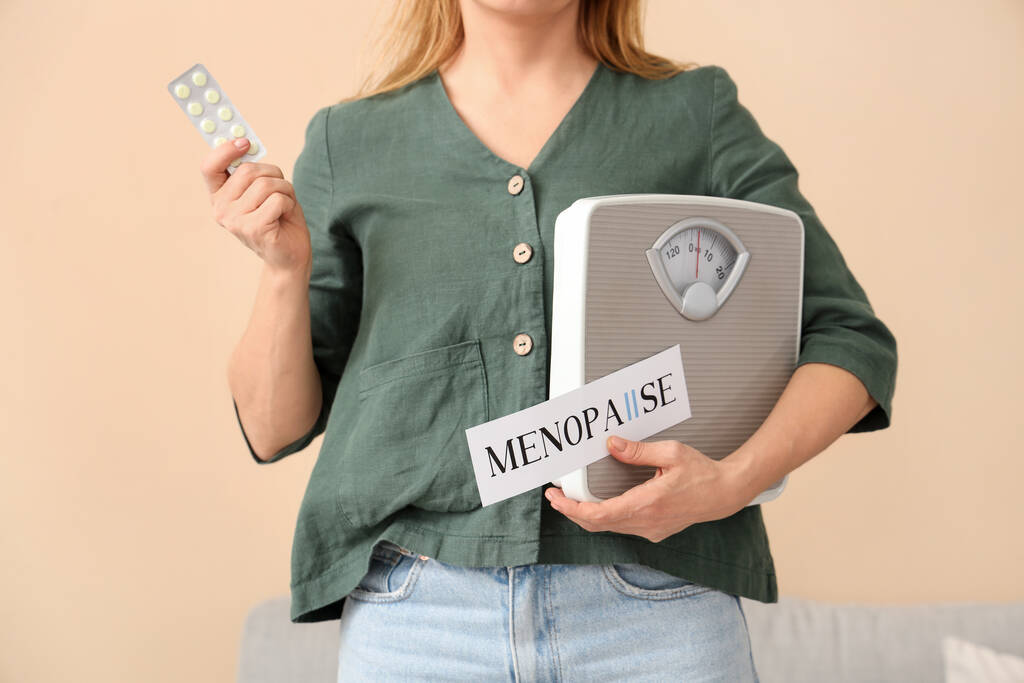
Menopause can be difficult to manage. Its symptoms can affect a woman’s health in many ways. You may wonder if modern healthcare can delay it or prevent it entirely. The truth is, lifestyle choices play a role in when menopause begins. Research suggests that changes in lifestyle may help delay its onset. So if you’re willing to alter your lifestyle, you may see a delay in the onset of menopause
Here are some factors that can help delay menopause:
-
Eating a balanced diet: Evidence suggests a diet rich in omega-3 fatty acids and antioxidants may delay menopause. This theory suggests these nutrients help protect your eggs. This may allow them to remain in your body longer.
-
Breastfeeding: Some evidence suggests breastfeeding for 7–12 months may lower the risk of early menopause.
-
Quitting or not smoking: Research shows women who smoke have a higher chance of early menopause. This risk is higher than in women who do not smoke.
-
Getting exercise: Regular physical activity can help restore hormonal balance. Exercising several days a week may also help manage the transition stages of menopause.
When Should You See a Doctor?
Perimenopause and menopause do not need treatment. However, your doctor may recommend options to help manage symptoms:
- Hormone replacement therapy
- Topical vaginal creams for vaginal dryness
- Medicine for hot flashes
- Antidepressants that help with sleep and alleviate your mood
The content provided on this website is for educational and informational purposes only and is not intended as, nor should it be considered a substitute for, professional medical advice, diagnosis, or treatment.
Always seek the advice of your physician or another qualified healthcare provider with any questions you may have regarding a medical condition or health-related transition, such as menopause. Never disregard professional medical advice or delay in seeking it because of something you have read on this blog.
Reliance on any information provided here is solely at your own risk. If you are experiencing a medical emergency, please call your local emergency services or consult with a healthcare professional immediately.