The Top Brain Boosting Games To Try In 2026
6 min read
1006 words
Gaming isn’t just something that’s for kids or young adults; it’s also something that you can use to boost your brain. In fact, that’s one of the many ways people are using gaming in 2026. It’s not just about having fun; it’s about improving problem-solving, speed, flexibility, focus, and memory. Games that are challenging boost neuroplasticity massively, even with just 10-20 minutes a day. The question, of course, is which games you should be playing? What should you be exploring for maximum real-world impact in your life? Let’s take a look at some of your options.
Sudoku
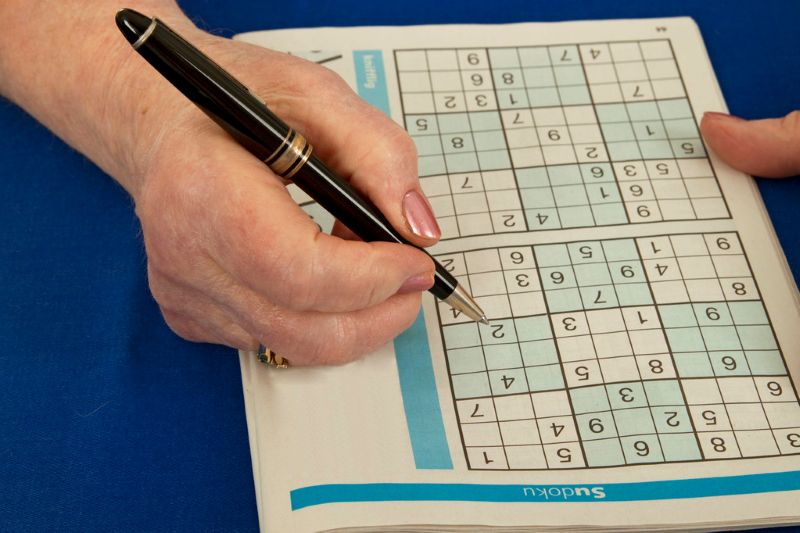
Sudoku is perhaps the most famous brain-boosting game of all. It makes you fill 9×9 grids so that each row, column, and 3×3 box within the larger grid has each of the numbers 1 to 9 with no repeats. What’s interesting about Sudoku is how it changes the way your brain works. You have to be logical and concentrate, but you also have to have more short-term memory. Knowing where specific numbers are is very helpful when you’re trying to complete a set.
Sudoku was popular in the Far East for a long time before it made the move to the West. However, many gamers are glad that it did because of how it improves their cognition. This is particularly noticeable in people over the age of 65.
Crosswords
Another way to boost your brain power is to start using crosswords. The idea here is to solve clues to fill grids with words. Early crosswords began in the 1920s and these were rather basic. However, they soon became more advanced and many publications began issuing them during the 1950s.
Crosswords improve mental function and cognitive skills through a number of channels. The main one, obviously, is verbal recall. However, crosswords also have a knack of enhancing people’s vocabulary. If you’re constantly playing them, you can no longer simply entertain regular words that people use in everyday conversation. You have to be more multidimensional. You also need to carefully calibrate your knowledge retrieval. Sometimes clues can be quite obscure.
Jigsaw puzzles
Jigsaw puzzles are another game that is brain-boosting. These days, you can play digital jigsaws, but it’s always more fun to use physical ones with real interlocking pieces. Researchers believe that jigsaw puzzles are good for brain health because they improve spatial reasoning. They also require both hemispheres of the brain to be involved, including those to do with creative aspects. Ultimately, many people who complete puzzles experience a sense of patience and ability to postpone gratification.
Jigsaw puzzles are cheap and can be found at most second-hand stores. People throw them out all the time.
Solitaire
One of the quintessential brain-boosting games is solitaire. This game has its origins in the 19th century. However, it was only really with Microsoft’s inclusion of Solitaire in the Windows operating system in the mid-1990s that it really took off. People suddenly realised what a fun solo game it could be.
But why did it become so popular? Solitaire’s main popularity came from its challenge. Depending on the type of Solitaire you play, the probability of winning, even if you play perfectly, is only around 20-30%. This means that there’s real skill involved and also a bit of luck as to whether you can complete the game. You also have to think ahead several moves, which means it’s good if you need more strategic thinking.
Logic puzzles
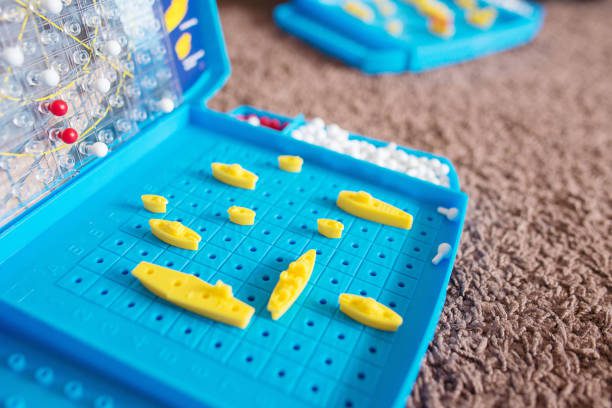
Logic puzzles are another example of a game that can boost your brain. These activate strategic systems, including deduction and elimination, instead of just memory and reaction times.
The most famous examples of logic puzzles in games are Battleships and Slitherlink. These require you to have sequential reasoning and make long-term planning.
Of course, the number of logic games out there is enormous – there’s always something new for you to try. You want something that challenges your reasoning skills and allows you to dominate.
Anagrams
If you’re really keen, you could also start practising anagrams to improve your cognitive skills. Anagrams are a great way to boost your verbal flexibility and creativity, and allow you to see the world in a different way. Once you get used to playing around with words, your skills will improve massively over time.
Anagrams are also helpful if you’re practising for a game show. They’re a popular format and something that you might want to explore in the future.
Riddles and brain teasers
Riddles and brain teasers are another segment you might want to explore to improve your problem-solving skills. What’s nice about riddles is that they force you to change your perspective and make you look at the world in a different way.
Scrabble
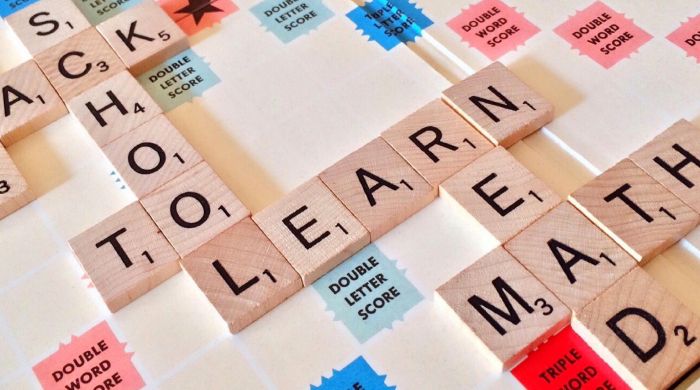
Scrabble is similar to crosswords but it also combines an element of using anagrams as well. So for example, you have to match the words that are already on the board but you also have to use the letters that are available to you in your stack.
There’s even a strategic element to Scrabble which is where you try to ensure that your letters and words cross the bonuses like triple word score or double letter score. Once you get good at Scrabble, it can become very addictive. You constantly want to find new word combinations and even new words that will allow you to get the highest possible score. It’s a great way to improve your vocabulary because you’re constantly looking for new words using the letters that you’ve already got.
Chess
Finally, you might want to take up chess. This is probably the ultimate brain-boosting game and one of the reasons why so many children play it from a young age. You need to move your pieces strategically to overcome your opponent. Chess is a game that constructs your foresight and planning abilities. You learn various patterns. Some researchers even link it to dementia protection, so make sure it’s a part of your life if you’re over the age of 65.
So there you have it, some of our best brain-boosting game ideas.