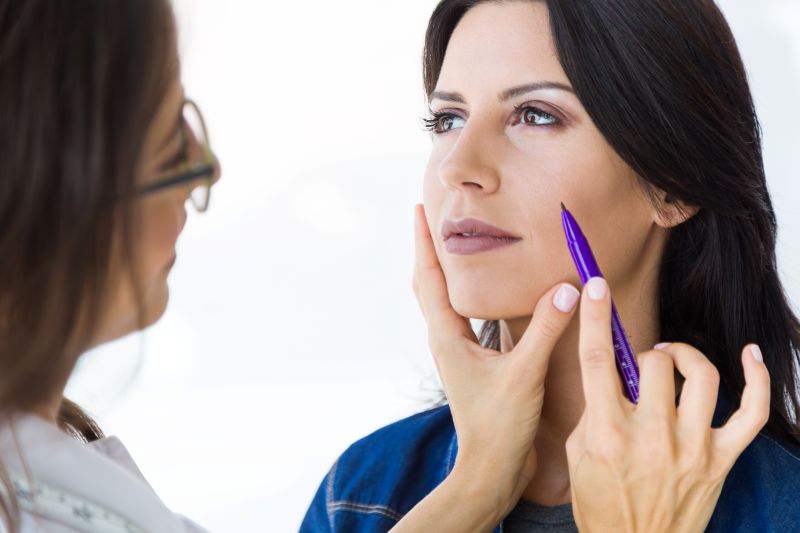
How Cosmetic Enhancements Are Evolving in Modern Healthcare
6 min read
1104 words
Do you want smoother skin or a fresher look without long recovery times? New technology is making cosmetic enhancements faster and safer. This blog will show how treatments in aesthetic medicine are changing, from noninvasive procedures to advanced tools that improve outcomes. Keep reading to learn what’s new in cosmetic dermatology today.
The Role of Technology in Cosmetic Enhancements
New tools give doctors better ways to plan and perform treatments. These changes help people get safer and more personal cosmetic procedures.
AI and predictive algorithms
AI and predictive algorithms help doctors in cosmetic dermatology plan treatments that match each patient’s needs. These tools use facial analysis to predict how a person will look after an enhancement or procedure. They review large amounts of data from past cases to suggest the best treatment options, which improves results and increases patient satisfaction.
Cosmetic healthcare clinics use AI technology to analyze skin conditions, spot early signs of aging, and choose noninvasive procedures with shorter recovery times. Predictive algorithms make it easier for patients to see likely outcomes before starting any aesthetic enhancement. This boosts confidence in their choices about treatments like nonsurgical facial lifts or skin regeneration therapies.
3D imaging for treatment planning
3D imaging plays a key role in cosmetic enhancements. This advanced technology helps doctors plan treatments more accurately. It creates realistic images of a patient’s face or body.
These detailed models allow for a better understanding of how changes will look. Surgeons can see the effects of procedures before they begin.
Doctors use 3D imaging to customize treatments for each individual. Patients can visualize their results, which boosts confidence and satisfaction. This method reduces risks and improves outcomes by making decisions easier for both patients and surgeons.
Improved planning leads to shorter recovery times, too, as the process is more precise.
Robotic-assisted procedures
Robotic-assisted procedures are changing how cosmetic enhancements are done. These advanced systems help doctors perform surgeries with precision. Robots can make smaller cuts, leading to less pain and faster recovery times for patients.
Surgeons control these robots using special tools. They can see enhanced images of the area they work on. This helps improve treatment outcomes and boosts patient satisfaction. Robotic technology is becoming a key part of modern healthcare in aesthetic medicine and cosmetic dermatology.
Advancements in Non-Invasive Techniques
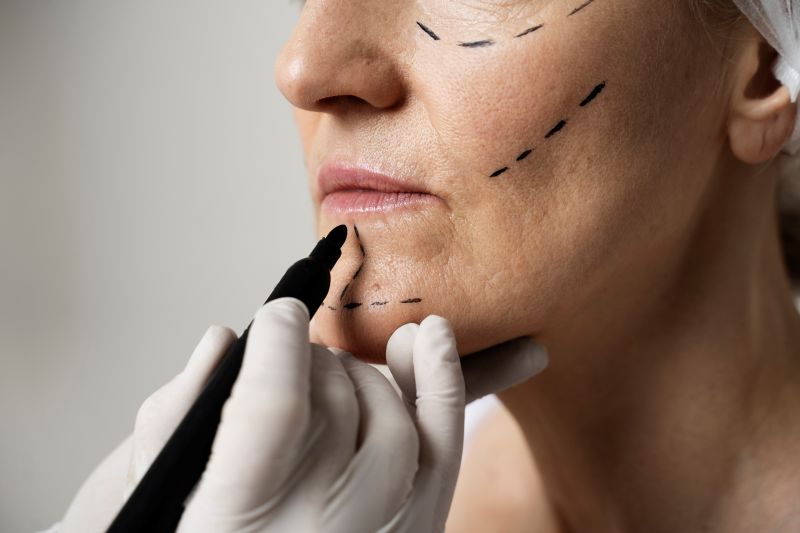
Non-invasive techniques are changing the way we think about cosmetic treatments. These methods allow patients to enhance their appearance with less downtime and fewer risks than traditional surgery.
Minimally invasive procedures
Minimally invasive procedures are changing the way people think about cosmetic enhancements. These treatments often require less time and have shorter recovery periods than traditional surgeries.
They can be done with small incisions or even no cuts at all. Many patients appreciate this because it means less pain and a quicker return to their daily lives.
Some popular minimally invasive options include fillers, Botox, and laser treatments. These techniques help improve appearance without major surgery. Patients enjoy high satisfaction rates due to the immediate results and minimal downtime they experience after these procedures.
Laser and energy-based treatments
Minimally invasive procedures often lead to laser and energy-based treatments. These methods are becoming popular in cosmetic healthcare. They can improve skin tone, texture, and overall appearance without major surgery.
Laser treatments use focused light to target specific areas of the skin. This helps remove blemishes or unwanted hair with precision. Energy-based treatments, such as radiofrequency or ultrasound, tighten the skin and reduce wrinkles. Both options have shorter recovery times compared to traditional surgery.
Patients experience less pain and quicker healing with these techniques. Many enjoy high satisfaction rates after their treatments. The advancements in technology make these procedures safer than ever in dermatology practices.
Regenerative Therapies in Cosmetic Healthcare
Regenerative therapies are changing how we view cosmetic care. They use the body’s own healing powers to improve skin and restore features.
Stem cell innovations
Stem cell innovations are changing how cosmetic healthcare works. These cells can grow into different types of tissue in the body. Doctors use them to help with skin regeneration and healing.
For example, stem cells can help repair damaged skin. They may also improve the results of treatments like fat grafting. This process takes healthy fat from one part of the body and places it where more volume is needed. Advances in this area lead to better patient satisfaction and shorter recovery times for those seeking aesthetic enhancements.
Fat grafting and tissue engineering
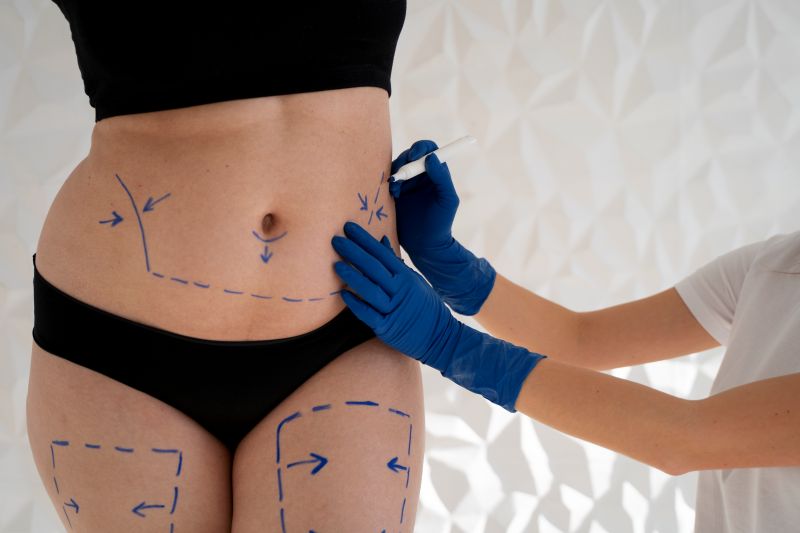
Fat grafting uses your own fat to enhance areas of the body. Doctors remove fat from one spot and inject it into another, like the face or breasts. This makes the areas look fuller and younger.
Tissue engineering plays a big role in cosmetic healthcare, too. It helps create new tissues for patients needing reconstruction after surgeries or injuries.
Advances in these techniques lead to better results, shorter recovery time, and higher patient satisfaction with their treatments. Many patients are turning to clinics specializing in Philadelphia Plastic Surgery for their innovative approaches to cosmetic enhancements.
The Influence of Social Media and Beauty Standards
Social media shapes how we see beauty today. Many people feel pressure to meet new standards, pushing them toward cosmetic enhancements.
Changing perceptions of beauty
Beauty standards are shifting fast. Social media plays a big role in this change. People see more diverse images and ideas about what beauty looks like. Different styles and features become popular overnight.
These new views increase the demand for cosmetic enhancements. Many want treatments that match their unique looks. They seek personalized solutions to express themselves better. This shift shapes how dermatology and aesthetic medicine evolve in modern healthcare, making procedures more accessible than ever before.
Increased demand driven by digital trends
Social media shapes what beauty means today. Apps allow users to edit their photos instantly, creating a perfect look that many strive for. This trend boosts the appeal of cosmetic enhancements. People see filters and edited images, which makes them want similar results in real life.
The rise of influencers also plays a big role. Many share their experiences with cosmetic treatments online. Their followers often feel pressure to keep up with these trends. As demand grows, clinics respond by offering more noninvasive procedures and personalized treatments to satisfy clients’ desires for faster recovery times and better outcomes.
Conclusion
Cosmetic enhancements are changing fast in healthcare. New technology makes these procedures safer and more effective. Patients enjoy less recovery time thanks to non-invasive treatments.
Social media shapes beauty trends, pushing many to seek cosmetic options. These changes show that modern healthcare values personal touch and patient satisfaction in aesthetic care.