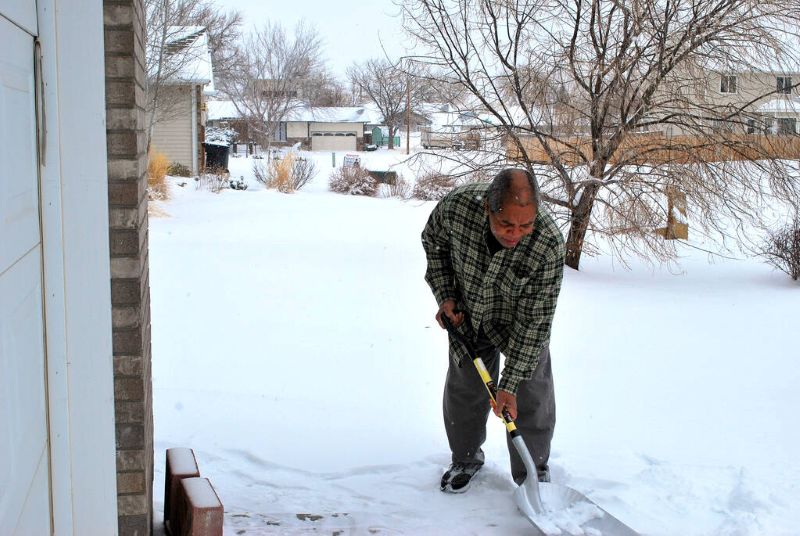
Prevent Snow Shoveling and Snowblowing Injuries
8 min read
1557 words
Winter in Canada. It conjures images of cozy nights by the fire, exhilarating ski trips, and the unique beauty of a snow-covered landscape. But for many, it also brings a less romantic reality: the demanding, and often dangerous, task of clearing snow. While it’s a necessary chore, snow shoveling and snowblowing can lead to a surprising number of injuries, impacting your health and your ability to enjoy the season to its fullest. At Statistics Canada, we’re committed to providing you with valuable insights and practical advice. This post is your friendly guide to staying safe and injury-free this winter.
The Stark Reality: Snow-Related Injuries in Canada
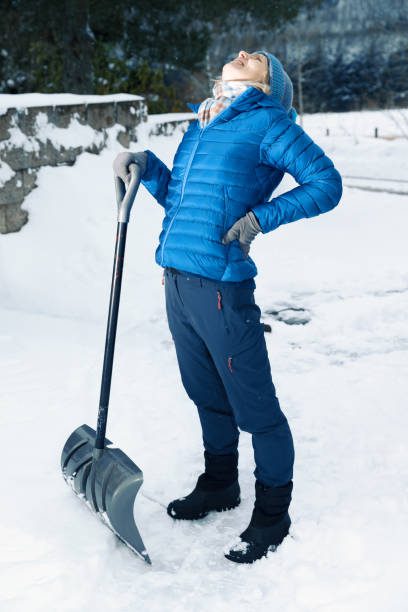
You might think of snow shoveling as just another household chore, but the statistics tell a different story. Each year, hospitals across Canada see a significant influx of patients suffering from injuries directly related to clearing snow. These aren’t just minor aches and pains; they can range from muscle strains and sprains to more serious conditions like heart attacks and herniated discs.
Consider this:
- Overexertion is a major culprit. Pushing your body too hard, especially when it’s cold, can put immense stress on your cardiovascular system.
- Improper techniques are a leading cause of musculoskeletal injuries. We often adopt bad habits without even realizing it, leading to pain and potential long-term damage.
- Falls on icy surfaces are another significant risk, compounding the danger of your snow-clearing efforts.
The good news? With a little preparation and the right approach, you can dramatically reduce your risk and keep yourself healthy and active throughout the winter months.
More Than Just a Sore Back: Understanding the Risks
Let’s delve a little deeper into the common injuries associated with snow removal:
1. Musculoskeletal Injuries: The Most Common Culprits
- Back Pain: This is by far the most reported injury. The twisting and lifting motions involved in shoveling, especially when the snow is heavy and wet, put tremendous strain on your lower back. A sudden jerk or an awkward lift can lead to muscle strains, ligament sprains, and even disc compression.
- Shoulder and Arm Strains: Repeatedly lifting and throwing snow can overwork your shoulder and arm muscles, leading to rotator cuff injuries, tendonitis, and general muscle soreness.
- Knee and Leg Injuries: Inadequate leg strength and improper bending can also strain your knees. Slips and falls during shoveling can result in sprains, fractures, and dislocations.
- Herniated Discs: The jarring impact and repetitive bending associated with shoveling can contribute to the displacement of the discs in your spine, causing severe pain and potential nerve compression.
2. Cardiovascular Strain: A Silent and Serious Threat
This is where things get particularly concerning. Shoveling snow is a strenuous aerobic activity, and performing it in the cold adds an extra layer of stress to your heart.
- Increased Heart Rate and Blood Pressure: When you exert yourself in cold temperatures, your blood vessels constrict, forcing your heart to work harder to pump blood. This sudden surge in demand can be dangerous, especially for individuals with pre-existing heart conditions.
- Heart Attack Risk: Studies have shown a significant increase in heart attack occurrences during and immediately after snow shoveling, particularly among men. The combination of physical exertion and cold weather is a potent mix for cardiac events.
- Sudden Cardiac Arrest: In extreme cases, the strain can be so severe that it triggers sudden cardiac arrest.
3. Other Injuries
- Slips and Falls: Icy sidewalks and driveways are a hazard in themselves. Combine this with the awkwardness of carrying equipment or pushing snow, and the risk of a serious fall increases exponentially.
- Frostbite and Hypothermia: While less direct, prolonged exposure to cold while clearing snow can lead to these dangerous conditions if proper precautions aren’t taken.
Your Action Plan: How to Shovel and Snowblow Safely
The good news is that by implementing a few key strategies, you can significantly mitigate these risks. Think of this as your winter wellness checklist!
1. Preparation is Key: Before You Even Touch the Snow
- Warm-Up Your Body: Just like before any physical activity, a good warm-up is crucial. Spend 5-10 minutes doing some light exercises to get your blood flowing and your muscles ready. This could include:
- Light cardio (jogging in place, jumping jacks)
- Dynamic stretches (arm circles, leg swings, torso twists)
- Gentle bending and stretching of your back and legs.
- Dress Appropriately: Layering is your best friend. Wear moisture-wicking base layers, insulating middle layers, and a waterproof and windproof outer layer. Don’t forget a hat, gloves, and warm, waterproof boots with good traction.
- Stay Hydrated: Even though it’s cold, you’re still losing fluids through sweat. Drink plenty of water before, during, and after clearing snow. Avoid alcohol and caffeine, which can dehydrate you.
- Check the Weather: If a major storm is predicted, consider if you can delay clearing until the snow has stopped falling and temperatures are slightly warmer.
2. Master the Shoveling Technique: Protect Your Back!
This is where many injuries happen. Here’s how to shovel smarter, not harder:
- Choose the Right Tool:
- Ergonomic Shovel: Look for a shovel with an adjustable handle or a curved shaft that allows you to maintain a more upright posture.
- Lightweight Material: Opt for a shovel made of plastic or aluminum instead of heavy metal.
- Small Blade: A smaller snow shovel blade will hold less snow, making each lift lighter.
- Proper Stance and Grip:
- Feet Shoulder-Width Apart: This provides a stable base.
- Bend Your Knees and Hips, Not Your Back: This is the golden rule! Keep your back straight and engage your leg muscles to do the lifting.
- Close Grip: Place one hand near the blade and the other at the end of the handle. This gives you better leverage and control.
- The Lift and Toss:
- Push, Don’t Lift: Whenever possible, push the snow to the side. This requires less effort and strain.
- Lift Small Amounts: Don’t overload your shovel. Take smaller scoops of snow, especially if it’s wet and heavy.
- Pivot Your Feet: Instead of twisting your back to throw the snow, turn your whole body by stepping and pivoting your feet.
- Keep the Load Close: Hold the shovel close to your body to minimize strain on your back.
- Avoid Overhead Tosses: Try to toss snow forward or to the side, not over your shoulder or above your head.
3. Snowblowing Smarter: Still Requires Caution
While snowblowers can save your back, they introduce their own set of risks.
- Read the Manual: Understand how your specific snowblower operates and its safety features.
- Never Use Your Hands or Feet to Clear Clogs: Always turn off the engine completely and wait for all moving parts to stop before attempting to dislodge snow. Use a stick or a tool.
- Be Aware of Your Surroundings: Watch out for hidden obstacles like rocks, curbs, or cords.
- Don’t Overload the Machine: Work at a steady pace and avoid rushing.
- Avoid Steep Slopes: Operate your snowblower on level ground whenever possible.
- Wear Appropriate Gear: Safety glasses are a must to protect your eyes from flying debris.
4. Listen to Your Body: Crucial for Injury Prevention
This is perhaps the most important advice: Don’t push yourself beyond your limits.
- Take Frequent Breaks: Stop every 15-20 minutes to stretch, rest, and rehydrate.
- Pace Yourself: Don’t try to clear all the snow at once. Break the task down into smaller sessions if needed.
- Recognize the Warning Signs: If you experience chest pain, shortness of breath, dizziness, or severe pain in your back or joints, stop immediately. Seek medical attention if symptoms persist.
5. Consider Alternatives and Assistance: You Don’t Have to Do It All Alone
- Hire a Snow Removal Service: This is the most effective way to eliminate the risk entirely.
- Ask for Help: If you have neighbors, friends, or family who can assist, don’t hesitate to ask.
- Community Programs: Some communities offer snow removal assistance for seniors or individuals with mobility issues. Look into local resources.
- Invest in a Snow Blower (Wisely): If you have a large area to clear or physical limitations, a snowblower might be a worthwhile investment. Choose one that’s appropriate for your physical strength and the amount of snow you typically receive.
Who is at Higher Risk?
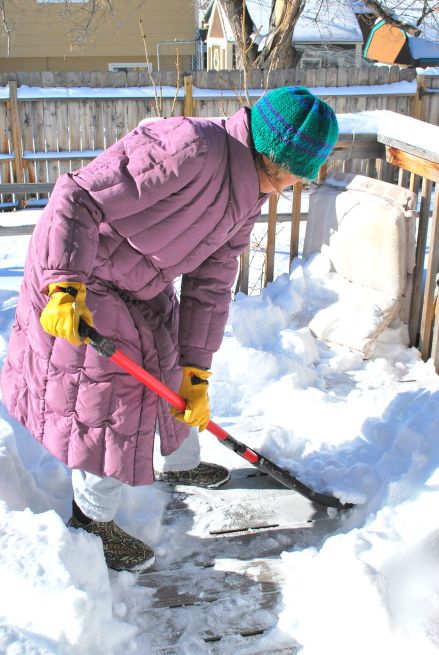
While anyone can get injured, certain individuals should exercise extra caution:
- Individuals with Heart Conditions: As mentioned, the cardiovascular strain can be dangerous. Consult your doctor before shoveling if you have a history of heart disease.
- Older Adults: Muscle mass and flexibility tend to decrease with age, making individuals more susceptible to strains and falls.
- People with Existing Musculoskeletal Issues: If you have a history of back pain, knee problems, or shoulder injuries, be extra careful.
- Individuals Who Lead Sedentary Lifestyles: If you’re not accustomed to physical activity, jumping into intense snow shoveling can be a shock to your system. Gradually increase your activity levels.
Final Thoughts: Enjoy a Safe and Healthy Winter
Winter in Canada is a beautiful time of year, and it shouldn’t be marred by preventable injuries. By understanding the risks associated with snow shoveling and snowblowing and implementing these practical safety tips, you can protect yourself and your loved ones.
Remember to prepare your body, use proper techniques, listen to your physical limits, and don’t be afraid to seek assistance when needed. A little planning goes a long way in ensuring you can fully enjoy all the joys of winter without the pain.
Stay warm, stay safe, and have a wonderful Canadian winter!