How to Avoid Winter Falls and Slips on Ice and Snow
6 min read
1078 words
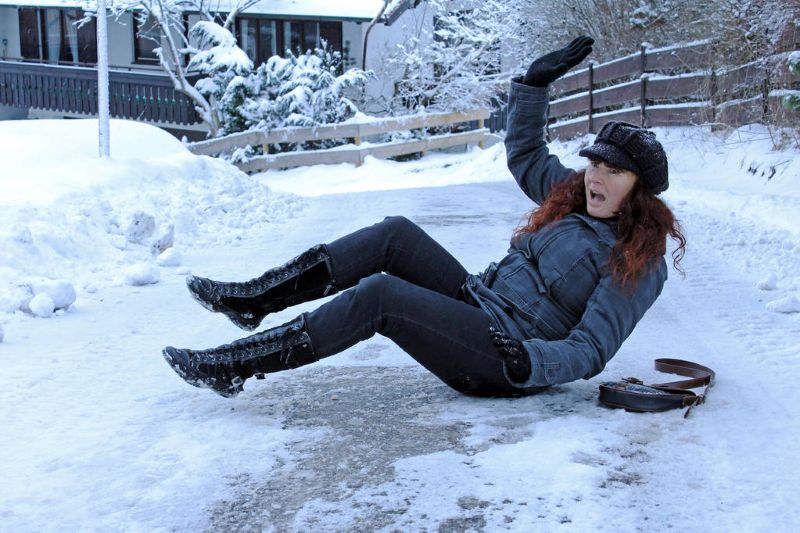
Winter’s beauty often comes with a hidden hazard: icy and snowy surfaces that can lead to dangerous slips, trips, and falls. Each year, thousands of individuals suffer preventable injuries – from sprains and fractures to more serious head trauma – due to these unexpected tumbles. But staying safe during the colder months doesn’t have to be a guessing game. This comprehensive guide will equip you with practical, actionable strategies to navigate icy conditions with confidence, helping you drastically reduce your risk of a winter falls. From smart preparation to safe walking techniques, let’s make this winter a season of safety, not injury.
Prioritize Property Maintenance: Clear and Treat Surfaces
The first line of defense against winter falls begins right at your doorstep. Proactive property management can make a significant difference in preventing perilous patches of ice and snow.
- Remove Snow from Walkways and Driveways Promptly: As soon as snowfall begins or ceases, make it a priority to shovel your walkways, driveways, and any other high-traffic areas. The longer snow sits, the more likely it is to compact and turn into slippery ice, especially with changing temperatures. A clear path is always the safest path.
- What to Put on Ice to Stop Slipping? Once snow is cleared, or if you encounter existing icy patches, treating the surface is crucial for added traction.
- Rock Salt (Sodium Chloride): This is the most common and effective option for melting ice at moderate temperatures (above -10°C). Apply it evenly to thoroughly break down ice formations.
- Calcium Chloride: Effective at much colder temperatures (down to -25°C), it’s a good alternative for extreme cold.
- Sand or Kitty Litter: These materials don’t melt ice but provide immediate, temporary traction. They are excellent for very cold days when salt isn’t as effective, or for areas where melting isn’t desired (e.g., to protect plants). The gritty texture creates friction, helping your footwear grip the surface.
Equip Yourself Properly: Your Gear Matters
What you wear and how you carry your items can greatly influence your stability and safety on icy terrain.
- Wear Proper Footwear with Traction: Your shoes are your most important tool for winter safety. Opt for boots or shoes specifically designed for cold weather with:
- Deep, Wide Treads: These patterns are designed to grip irregular surfaces like snow and ice. Look for lugs that are multi-directional.
- Soft Rubber Soles: Softer rubber retains flexibility in cold temperatures, allowing for better grip compared to rigid, hard plastics.
- Waterproof Material: Keeping your feet dry helps maintain warmth and comfort.
- Ankle Support: Higher boots can provide additional stability, reducing the risk of sprains.
- For Extra Traction on Extremely Icy Days, Consider Using Ice Cleats: These specialized attachments, often made with metal studs or coils, strap over your regular footwear. They provide exceptional grip on very slick, compact ice, making them an invaluable tool for anyone who must frequently traverse icy paths.
- Carrying Items Safely: Instead of juggling bags or groceries in your hands, which can throw off your balance and occupy your arms, consider using a backpack. Carrying items in a backpack keeps your center of gravity stable and, crucially, leaves your arms free to help you balance and brace yourself in case of a slip.
- If You Use a Cane, Fit It with an Ice Pick Tip: For individuals who rely on a cane for stability, a retractable ice pick tip can dramatically improve safety. These tips pierce through ice, offering a secure point of contact that a standard rubber tip cannot provide.
Master Safe Walking Techniques: How You Walk is Key
Even with the best footwear and clear paths, vigilance and a change in walking style are essential when navigating winter conditions.
- Walk Like a Penguin: This might sound funny, but it’s one of the most effective ways to maintain balance on slippery surfaces.
- Short Shuffles: Take small, slow steps.
- Feet Flat: Keep your entire foot in contact with the ground, avoiding forceful heel or toe strikes.
- Lean Slightly Forward: Shifting your center of gravity slightly forward, over your front foot, increases your stability.
- Outstretched Arms: Use your arms slightly out from your body for balance, much like a penguin uses its wings.
- Use Handrails: Whenever available, always use handrails on stairs, ramps, and elevated walkways. Use both hands if possible for maximum stability. Test the handrail’s stability before relying on it fully.
- Keep Your Hands Out of Your Pockets: While it’s tempting to keep hands warm in pockets, it severely limits your ability to react and stabilize yourself if you begin to slip. Your arms are crucial for balance and can help break a fall, reducing the severity of potential injuries.
- Put Your Phone Away: Distracted walking is dangerous in any condition, but it’s exponentially riskier on ice and snow. Keep your focus entirely on your path, scanning for potential hazards. Save calls and texts for when you are safely indoors.
- Avoid Shortcuts, as They May Be Less Maintained and More Slippery: While a shortcut might seem appealing, it often means traversing unplowed or untreated areas. Stick to designated walkways and paths that are more likely to be cleared and salted.
- Walk on Snow-Covered Grass: When a sidewalk is icy, try walking on the snow beside it. Often, even a thin layer of snow on grass or a shoulder can provide more traction than a slick, frozen sidewalk. Test carefully before committing to this path.
Exiting a Vehicle Safely: The Transition Zone
Getting in and out of your car can be a surprisingly high-risk activity on ice and snow.
- Use Your Vehicle for Support: Before you even think about stepping out, brace yourself. Use the door frame, steering wheel, or dashboard for stability.
- Maintain 3 Points of Contact: This fundamental safety principle for ladders applies perfectly here. As you exit, ensure that at least three out of your four limbs (two hands, two feet) are always in contact with a stable surface. For example: one foot on the ground, one hand on your car door, and one hand on your steering wheel. This creates a stable triangle of support, minimizing your chances of slipping during the critical moment of transition.
Stay Safe This Winter!
Winter is a season to be enjoyed, not feared. By implementing these practical tips – from clearing your property and wearing appropriate gear to adopting safer walking techniques – you can significantly reduce your risk of slips, trips, and falls on ice and snow. Stay vigilant, stay prepared, and step confidently through the winter months!