What to Wear on a First Date: Outfit Ideas
10 min read
1934 words
One of the biggest misconceptions about dressing for a first date is that you need to wear the latest trends or the most expensive clothing. In reality, authenticity is far more attractive than trying to impress with designer labels. Confidence comes from wearing clothes that fit well, suit the occasion, and reflect your personal style. When you feel comfortable in what you’re wearing, it shows through your posture, body language, and overall presence. A well-fitted outfit that feels natural will always make a stronger impression than clothing that feels forced or uncomfortable. No matter who you’re meeting, dressing appropriately demonstrates respect for both the occasion and your date. The goal is to look like the best version of yourself and not someone else.
How to Choose the Perfect First-Date Outfit
Choosing the perfect first-date outfit starts with understanding three key factors: the venue, the weather, and your personal style. The best outfit isn’t necessarily the trendiest or most expensive option—it’s one that helps you feel confident, comfortable, and appropriately dressed for the occasion.
Consider the Venue
Your outfit should match the setting of your date. A casual coffee shop calls for a polished but relaxed look, while an upscale restaurant may require a more refined outfit. Before choosing what to wear, think about where you’ll be spending most of your time and how formal the environment will be.
Dress for the Weather
Nothing is more distracting than being too hot, too cold, or unprepared for changing conditions. Check the forecast before your date and choose fabrics and layers accordingly. Lightweight materials such as cotton and linen work well in warm weather, while sweaters, jackets, and structured coats are ideal for cooler temperatures.
Stay True to Your Personal Style
A first date is an opportunity to showcase your personality. Rather than trying to reinvent yourself, choose clothing that reflects your usual style while elevating it slightly. If you normally dress casually, opt for a polished version of your everyday look. If your style is more sophisticated, embrace pieces that make you feel confident and authentic.
Prioritize Fit and Comfort
Even the most fashionable outfit can fall flat if it doesn’t fit properly. Clothing that is too tight, too loose, or uncomfortable can affect your confidence and body language. Choose pieces that allow you to move comfortably, sit easily, and focus on the conversation rather than your clothing.
Pay Attention to the Details
Small details can make a big difference. Clean shoes, wrinkle-free clothing, well-groomed hair, and minimal accessories can instantly elevate your appearance. These finishing touches show that you’ve put thought into your presentation without appearing overly concerned with impressing your date.
Why Your First-Date Outfit Matters
First Impressions Happen Quickly
Research suggests that people form first impressions within seconds of meeting someone. On a first date, those initial moments can shape how your date perceives your confidence, personality, and attention to detail. While appearance is only one part of attraction, your outfit sends subtle signals about your style, self-awareness, and the effort you’ve put into the occasion.
How Clothing Influences Confidence and Body Language
The right first-date outfit doesn’t just affect how others see you—it also influences how you feel about yourself. Wearing clothing that fits well and reflects your personal style can boost confidence and improve body language. When you’re comfortable in what you’re wearing, you’re less likely to fidget, adjust your clothes, or feel self-conscious. Instead, you can focus on enjoying the conversation, making eye contact, and building a genuine connection.
Balancing Confidence, Comfort, and Appropriateness

There are common misconceptions about dressing to impress. Many believe that “impressing” means wearing the most expensive or trendiest items. However, true style is about authenticity.
Confidence is more important than trends. Wearing clothes that fit well and reflect your personality will always outshine a head-to-toe designer outfit that feels like a costume.
When dating an older guy, many people wonder whether they should dress differently. In reality, the same principles apply regardless of age. Focus on wearing clothing that fits well, suits the venue, and reflects your personality. Confidence and authenticity are far more attractive than trying to appear older or younger than you are.
Whether you’re meeting someone close to your age or dating an older guy, the same principle applies: wear clothing that suits the venue, reflects your personality, and makes you feel confident.
How to Dress for Different Types of First Dates
The venue dictates the attire. Here is a breakdown of first date outfit ideas for various settings.
Coffee Date Outfits
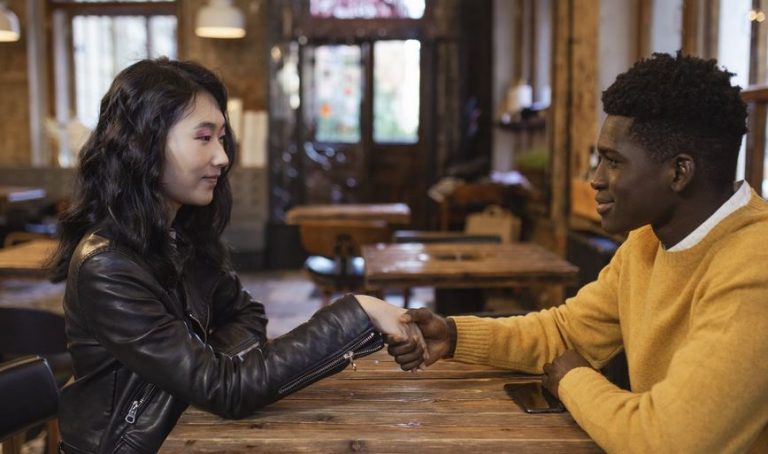
A coffee date is low-pressure but requires a polished look. Avoid looking like you just rolled out of bed.
- Casual but polished options: Think dark denim, a crisp white t-shirt, and a structured blazer.
- Outfit examples for men: Chinos with a button-down shirt (sleeves rolled up) and clean sneakers.
- Outfit examples for women: A midi skirt with a fitted knit top or high-quality jeans with a blouse and ankle boots.
Dinner Date Outfits
Dinner dates call for smart-casual and business-casual ideas.
- General styling: A tailored dress for women or a polo shirt with trousers for men.
- When to elevate your look: If you are dining at a high-end restaurant, lean toward business casual. A suit jacket (without the tie) or a cocktail dress is appropriate.
- Keywords to keep in mind: dinner date outfit, smart casual date attire.
Outdoor and Activity Dates
Comfort and practicality are paramount here.
- Walking dates: Wear supportive footwear. For women, block heels or stylish flats; for men, clean loafers or boots.
- Hiking dates: Technical activewear that fits well. Avoid brand-new gear that might cause chafing.
- Mini golf and bowling: Retro-inspired casual wear. Think fitted jeans, a vintage tee, and a bomber jacket.
Museum, Gallery, and Cultural Dates
These require a blend of intellect and style.
- Smart-casual styling tips: A structured trench coat or a smart cardigan over a simple base.
- Seasonal considerations: Layers are essential for climate-controlled indoor spaces. Bring a scarf or light jacket that can be easily carried.
Best Colors to Wear on a First Date
Color psychology plays a subtle but significant role in attraction and perception.
Colors That Project Confidence
- Navy and Black: These are timeless, slimming, and project authority and sophistication.
- White: Represents cleanliness and simplicity. A crisp white shirt is always a winner.
- Earth Tones: Browns, olives, and terracottas feel approachable and grounded.
Colors That Stand Out
- Red Accents: Red is associated with passion and energy. A red lip or a red accessory can be a powerful focal point without being overwhelming.
- Jewel Tones: Emerald green, sapphire blue, and amethyst purple look rich and luxurious on all skin tones.
Colors to Avoid Overusing
- Neon Colors: These can be distracting and are often difficult to coordinate.
- Overly Distracting Patterns: While a pattern can show personality, large logos or chaotic prints can take attention away from your face.
First-Date Outfit Ideas for Men
Casual First Date
- Dark wash denim jeans.
- A fitted henley or Oxford shirt.
- Leather boots or clean white sneakers.
- A lightweight bomber jacket.
Smart Casual First Date
- Chinos or tailored wool trousers.
- A button-down shirt (patterned or solid).
- A crewneck sweater or blazer.
- Loafers or desert boots.
Evening Date Outfit
- Slim-fit trousers.
- A dress shirt with a subtle texture.
- A tailored sports coat.
- Leather dress shoes.
Seasonal Variations
- Winter: Layer a chunky knit sweater over a collared shirt. Add a wool coat.
- Summer: Linen trousers and a short-sleeve button-down in breathable cotton.
First-Date Outfit Ideas for Women
Casual First Date
- High-waisted jeans with a tucked-in graphic tee and a denim jacket.
- A casual sundress with a utility jacket (perfect for transitional weather).
Smart Casual First Date
- A wrap dress paired with heels or dressy flats.
- Tailored trousers with a silk camisole and a blazer.
Evening Date Outfit
- A little black dress (LBD) is timeless.
- A midi slip dress with a leather jacket for an edgy vibe.
- Statement jewelry to elevate a simple outfit.
Seasonal Variations
- Winter: Turtleneck dress with tights and knee-high boots.
- Summer: A breathable cotton maxi dress or a linen jumpsuit.
Common First-Date Clothing Mistakes
Even the best first date fashion tips can be undone by common errors. Avoid these pitfalls:
- Wearing Uncomfortable Clothes: If you are constantly adjusting your outfit, you aren’t present. Avoid tight waistbands or scratchy fabrics.
- Overdressing or Underdressing: Always check the venue’s vibe. A tuxedo at a dive bar is as jarring as ripped jeans at a Michelin-star restaurant.
- Ignoring the Venue: If you are walking a lot, skip the stilettos. If it’s outdoors, avoid delicate fabrics that stain easily.
- Wearing Brand-New Shoes: Nothing ruins a date faster than blisters. Break in your shoes beforehand.
- Using Too Much Fragrance: Scent is powerful, but overpowering cologne or perfume can be a sensory overload for your date.
Seasonal First-Date Fashion Tips
- Spring: Embrace layers and pastels. A trench coat is a classic choice.
- Summer: Focus on breathable fabrics like linen and cotton. Stick to light colors to reflect the heat.
- Fall: Utilize texture. Think corduroy, leather, and wool in rich autumnal hues.
- Winter: Prioritize warmth without sacrificing style. A quality coat matters—it’s the first and last thing your date sees.
Breathable fabrics such as cotton, linen, and lightweight wool help regulate body temperature and keep you comfortable throughout the date. Avoid materials that wrinkle excessively or feel restrictive.
First-Date Grooming Tips
- Ensure clothes are clean and wrinkle-free.
- Keep nails neat and trimmed.
- Style your hair naturally.
- Use fragrance sparingly.
- Check shoes for scuffs and dirt.
Frequently Asked Questions (FAQ)
Is it better to overdress or underdress on a first date? It is generally better to be slightly overdressed than underdressed. Being well-groomed and put-together shows respect for the occasion and your date. However, aim for “smart casual” as a safe baseline.
What should I not wear on a first date? Avoid clothing with offensive slogans, stained or wrinkled fabrics, and overly revealing attire (unless the venue specifically calls for it). Also, avoid wearing anything that restricts your movement.
What colors are most attractive on a first date? Studies suggest that red is often perceived as attractive and confident. However, neutral tones like navy, black, and white are universally flattering and allow your personality to shine through.
How casual is too casual for a first date? Sweatpants, gym wear, and pajamas are generally too casual unless you are specifically meeting for a workout. Even for a coffee date, aim for “elevated casual.”
Should I wear something new? It depends. Wearing a brand-new outfit can sometimes feel stiff or uncomfortable. If you want to wear something new, buy it a week in advance and wear it around the house to ensure the fit is right and there are no irritations.
Final Considerations

Choosing what to wear on a first date doesn’t have to be complicated. The most successful first-date outfits share three important qualities: they fit well, feel comfortable, and reflect your personality.
Instead of chasing trends, focus on looking polished, feeling confident, and dressing appropriately for the venue. Whether you’re heading to a casual coffee shop, an upscale restaurant, or an outdoor activity, the right outfit can help you feel relaxed and make a memorable first impression.
At the end of the day, your clothing should enhance your confidence—not distract from it. When you feel comfortable and authentic, you’re far more likely to enjoy the experience and make a genuine connection.
If you’re entering the dating world or beginning a new romance, our guide to Dating Tips for New Relationships: Starting Fresh offers practical advice for building confidence, improving communication, and creating healthy connections from the very beginning.