What Home Security Systems Really Know About You
8 min read
1502 words
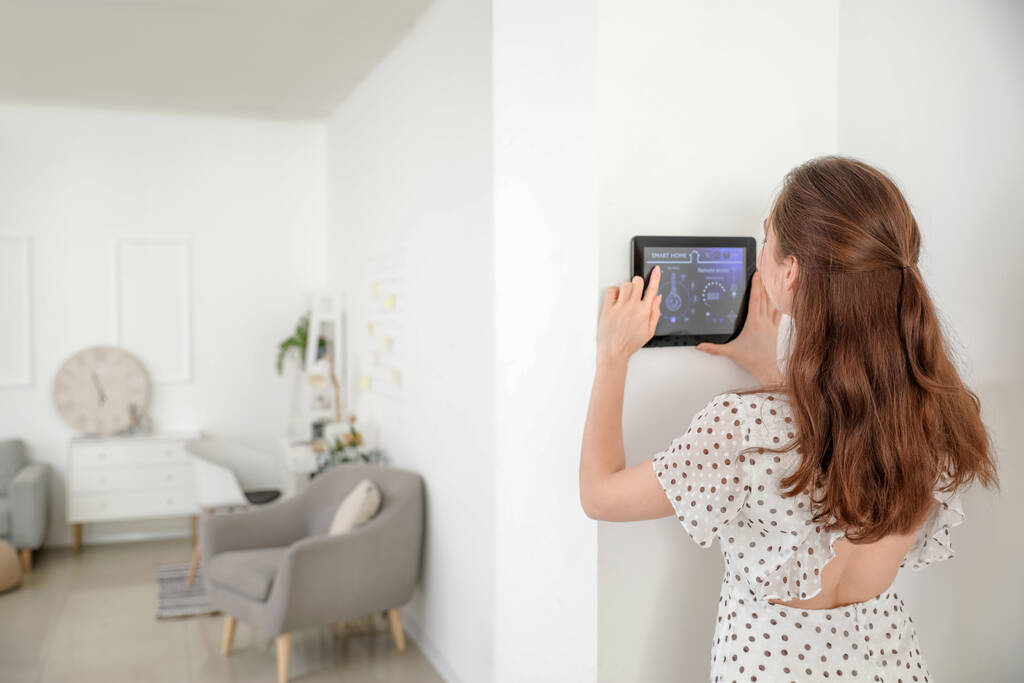
For decades, the standard home security system offered peace of mind through simple alerts and alarms. Today, however, modern, connected systems—from video doorbells and smart locks to full-scale sensor home security networks—offer something far more comprehensive. They offer total visibility. While these devices are essential tools in protecting your physical property, they introduce a complex and often overlooked vulnerability: the privacy of your digital life. Security systems are no longer just passive monitors; they are sophisticated data collectors that catalogue everything from your daily routines to intimate conversations.
This raises a crucial question for every homeowner embracing the smart home: Is the device designed to prevent stealing potentially stealing from you?
We delve into the specific data collected by home security devices, examine the genuine concerns regarding data compromise, and outline the steps necessary to fortify your digital perimeter against the very system meant to protect it.
The Comprehensive Data Harvest: Understanding What Is Collected
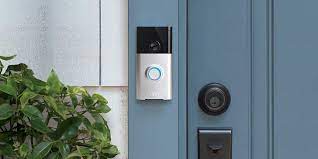
The typical smart security system involves an interconnected web of sensors, cameras, and connectivity hubs. When these devices are installed, they begin a continuous process of data logging, much of which is necessary for the system to function, but a significant portion of which is highly sensitive personal information.
The data collected falls into four main categories:
1. Visual and Auditory Data (The Deepest Dive)
The most obvious collector is the camera. Whether it’s a high-definition indoor camera or an external video doorbell, these devices capture far more than just “an intruder.”
- Video Feeds: These capture images of family members, visitors, and personal property, often stored in the cloud. Crucially, newer systems use Facial Recognition (FR) technology. This data isn’t just a picture; it’s a biometric map of identities, linked to specific profiles (e.g., “This is John,” “This is the delivery driver”).
- Audio Recordings: Microphones in cameras and sensors record ambient sounds. This means conversations occurring within the range of the device—even those not intended to be recorded—are routinely captured. This audio data can be analyzed by algorithms to detect specific events (like glass breaking, a dog barking, or shouting).
- Environmental Context: Time, light levels, weather patterns, and temperature are logged alongside video, painting a complete picture of the conditions in your home environment.
2. Routine and Behavioral Data
Beyond the raw media, security systems meticulously track how you live. Passive sensors used for alarms are highly adept at monitoring occupancy and schedule.
- Occupancy Patterns: Motion sensors, door/window sensors, and smart locks track precisely when people enter, leave, and move between rooms. Over time, this builds a detailed, predictable profile of your daily schedule, including typical sleep times, work hours, and weekend activities.
- Device Interactions: Logging how often you arm and disarm the system, which app features you use, and which notification settings you prioritize provides actionable data on your security preferences and potential vulnerabilities.
3. Network and Technical Data
Connectivity is the backbone of these systems, and all network activity is logged. This data is essential for troubleshooting but holds significant technical value.
- IP Addresses and MAC Addresses: Unique identifiers for your devices and your router are logged, linking the physical device to your specific geographic location and network.
- Wi-Fi Credentials: To function, the device must store your Wi-Fi name and password (often encrypted), which is the key to your entire home network.
- Metadata: Data transmission rates, connection stability metrics, battery life, and firmware versions are routinely sent back to the manufacturer.
4. Personal Identifiable Information (PII)
This is the data required solely for account creation and billing.
- Name, physical address (critical for emergency services linkage), email address, and phone number.
- If you subscribe to monitoring services, credit card or banking information is stored by the provider or its payment processor.
Beyond the Camera Lens: The Threat of Data Exploitation
The sheer volume and intimacy of the data above lead directly to the core concern: Should consumers be worried about data stealing? The answer is unequivocally yes, but the threat vectors are more complex than simple criminal hacking. Data theft or misuse comes from three primary sources: motivated cybercriminals, unintended breaches, and the systems’ own manufacturers.
1. The Cybercriminal Threat: Targeted Hacking
When a security system is compromised, the goal of the criminal is often twofold: direct access to the feed (often leading to harassment or “doxing”), or using the device as a gateway to the wider network.
- Weak Credentials: The vast majority of criminal compromises occur not via sophisticated zero-day exploits, but through weak, reused, or default passwords. If a criminal gains access to your security system account, they have immediate access to live feeds and archived recordings.
- Network Infiltration: Home security devices—especially older, cheaper models—can be poorly secured endpoints on your network. A successful attack on one device can allow the hacker to pivot into the router, where they can steal sensitive financial files, passwords stored in browsers, or launch malware attacks against other connected computers.
- The Irony of Routine Data Theft: If a criminal gains access to your behavioral data (when you arm the system, when you leave for work, how long the house is consistently empty), they possess an ideal blueprint for planning a physical burglary. The device meant to prevent the crime has now facilitated it.
2. The Manufacturer and Corporate Risk
Perhaps the more insidious and often legally sanctioned form of “data stealing” is data monetization and exploitation by the companies themselves.
When you agree to the Terms of Service (ToS) or End User License Agreement (EULA), you often grant the company broad rights over the non-identifiable and sometimes even the identifiable data collected by the device.
- Data Aggregation and Sale (Monetization): Companies collect anonymized and aggregated behavioral data (e.g., “90% of users in this zip code leave their homes between 7:30 AM and 8:00 AM”). This aggregated routine data is highly valuable to researchers, insurance companies, or smart city planning initiatives, and it is routinely sold or licensed.
- Third-Party Sharing: Many companies integrate with third-party service providers (AI analysis firms, cloud service providers). If these third-party partners suffer a breach, your data—even if securely stored by the original manufacturer—is exposed via the third-party vulnerability.
- Law Enforcement and Legal Disclosure: Many companies are legally required (or politically willing) to turn over data, including video footage and audio clips, upon receiving a legal subpoena or warrant, and sometimes even upon a simple request if the terms allow for “emergency disclosure.”
Fortifying Your Digital Home: Essential Security Practices
The threat of the sneaky home security device is real, but it doesn’t mean you should retreat entirely from smart security. Instead, consumers must take proactive measures to manage their digital risk.
1. Create a Dedicated Zero-Trust Network
The single most effective defense against network pivoting is isolating your high-risk IoT devices (like security cameras and smart speakers) from your primary devices (laptops, phones, banking apps).
- Implement a Guest Network (or VLAN): Set up a separate Wi-Fi network specifically for your smart home gadgets. Ensure this network has no access to shared drives, servers, or your main computer network. If the camera is compromised, the hacker is stuck in a digital holding area.
2. Implement Strong, Unique Authentication
This is the most fundamental step, yet often the most neglected.
- Unique Passwords: Use long, complex passwords for every security account (router, camera app, monitoring service). Never reuse a password from a social media site.
- Enable Two-Factor Authentication (2FA): Use app-based (like Google Authenticator) or physical security keys wherever possible. This ensures that even if a criminal steals your password, they cannot log in without the physical second factor.
3. Review Permissions and Privacy Policies
Be diligent about what you allow the device to do.
- The EULA Audit: Before you click “Accept,” quickly review the manufacturer’s privacy policy, specifically looking for clauses regarding data retention, data sharing with third parties, and how they handle law enforcement requests. If the policy is vague or overly permissive, reconsider the product.
- Limit Microphone Use: If an indoor camera has a microphone, keep the microphone disabled unless you absolutely need the two-way talk function. Many security concerns are rooted in unintentional audio capture.
4. Maintain and Update Firmware Reliably
Security patches are frequently released to close newly discovered vulnerabilities. If you ignore update notifications, you are leaving the digital front door wide open.
- Automate Updates: Enable automatic firmware updates whenever the option is available, ensuring your device always has the latest security protections implemented by the manufacturer.
Conclusion: Balancing Security and Secrecy
The modern home security system is an indispensable tool for physical safety, but it carries an inherent data liability. These devices are designed to observe everything—and observation is data collection.
Understanding that data stealing isn’t just about a criminal breaking into your cloud storage, but also about corporations monetizing your domestic habits, is the first step toward informed security. By treating your security system as a potent data collector rather than a simple alarm, you can implement the necessary digital defenses that ensure your watchman remains a protector of your home, not a silent steward of vulnerability.