
The Wellness Factors You Might Be Overlooking at Work
6 min read
1044 words
When people talk about workplace wellness, the conversation usually turns to things like yoga classes, mental health days, or maybe the occasional free fruit basket in the staff kitchen – that kind of thing. And of course, all of that helps, but it’s only part of the picture, and the truth is that real wellbeing at work isn’t just about perks (not entirely, anyway) it’s about the environment itself.
The air, the light, the noise, the layout, even the temperature… they all affect how people feel and how well they work, but they’re actually the things businesses often overlook, and that’s a problem because you can have all the wellbeing initiatives in the world, but if your office feels uncomfortable, the impact is limited before it even starts. Read on to find out more.
The Physical Environment Comes First
Think about the last time you walked into a space that just didn’t feel quite right. Maybe it was too warm, or there was a faint smell of stale air, or the lighting was harsh and flickering, or it could be any number of thing. And even if you couldn’t pinpoint what was wrong, you probably didn’t feel at your best, and that same principle applies in the workplace, only it’s every day, for hours at a time.
A healthy environment is built on consistency, and the truth is that when temperature and air quality are stable, people focus better and feel less fatigued. Poor ventilation, on the other hand, can lead to headaches, tiredness, and even lower cognitive performance, which is why a well-designed climate control system often plays a bigger role than most businesses realise.
A professional HVAC installation does more than keep the building warm or cool – it keeps it balanced because it maintains clean air flow, filters out pollutants, and prevents those sudden changes in temperature that make everyone reach for their jumpers or fans, and in the end, comfortable air and temperature are the foundation for every wellbeing initiative you might want to bring in or use.
The Cost Of Ignoring Comfort

Businesses often focus on visible wellness projects because they’re easy to measure and promote, but the invisible stuff like the air, the light, and the temperature, for example, usually has the biggest effect on how people actually feel day to day.
When offices are too hot or cold, employees get distracted, and when the air is stale, they feel sluggish. Then, over time, that creates a cycle of low energy and poor focus that no amount of free coffee will fix. And it’s not just about comfort either – poor air quality has been linked to increased absenteeism and even higher rates of workplace illness.
It’s also worth remembering that productivity and wellbeing go hand in hand; people work better when they feel better, it’s as simple as that. Investing in a reliable system can have a real impact on morale and performance, not because anyone notices the system itself, but because they stop noticing all the discomfort it prevents.
Remember Air Quality, Noise, And Light
Air quality gets the least attention but has the biggest influence on how alert we feel. Poor circulation leads to carbon dioxide build-up, which literally dulls the brain, and proper ventilation clears that out and replaces it with fresh, oxygen-rich air that keeps people alert.
Noise is another big one. Open-plan offices sound like a good idea until everyone’s trying to talk, type, and take calls at once, and when noise levels rise, stress follows, but adding acoustic panels, carpets, or designated quiet zones can reduce that mental load.
Lighting plays its part too. Harsh artificial light strains the eyes, while low light makes people tired. Natural light, even in small doses, lifts mood and regulates energy levels. When workplaces combine good air, balanced sound, and thoughtful lighting, the difference in focus and mood is immediate.
The Role Of Leadership In Wellbeing
Workplace wellness isn’t just an HR project, it’s a leadership decision, and if senior teams don’t model good habits, employees won’t feel comfortable doing the same. That’s why encouraging breaks, respecting work-life balance, and paying attention to the physical space are all signs that leadership takes wellbeing seriously, and why it’s important to make sure it happens.
Leaders also set the tone for how the environment is maintained. If maintenance is always seen as an expense instead of an investment, systems get pushed until they fail, and that means heating or cooling issues, poor ventilation, and eventually, unhappy teams. Preventative care, like regular servicing, filter changes, and air-quality checks, actually keeps the whole operation running smoothly.
Designing For Health And Efficiency
Many offices are designed for function first and comfort second, and the result is spaces that look modern but don’t always feel good to work in. That’s beginning to change because businesses are realising that wellness design isn’t a trend, it’s actually smart management.
The most successful companies are the ones that treat wellness as part of their infrastructure, not an optional extra, so when they invest in smart ventilation, flexible layouts, good lighting, and natural elements, they create a space where people want to be, and that’s the kind of environment where creativity and productivity naturally grow.
You’ve Got To Do It All Together
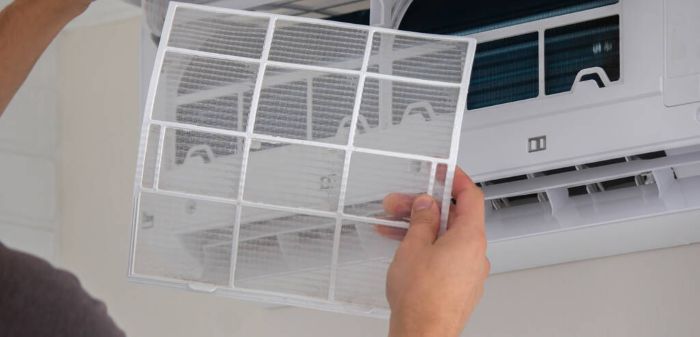
You don’t have to redesign your entire office to make it a healthier place – sometimes it’s about starting small. Regular maintenance on your heating and cooling systems, replacing worn-out filters, checking air flow… those little steps all add up because at the end of the day, wellness at work is really about how people feel in the space they spend most of their lives in. If it’s comfortable, clean, and designed with care, productivity doesn’t have to be forced; it just happens.
Final Thoughts
The best workplaces aren’t the ones with the best perks or the newest furniture, they’re actually the ones that understand that small, consistent comfort creates the biggest impact. Good air, good light, good design, and so on, are the main foundations of a healthy, productive team.