How to Create the Right Skincare Routine for Acne-Prone Skin
7 min read
1231 words
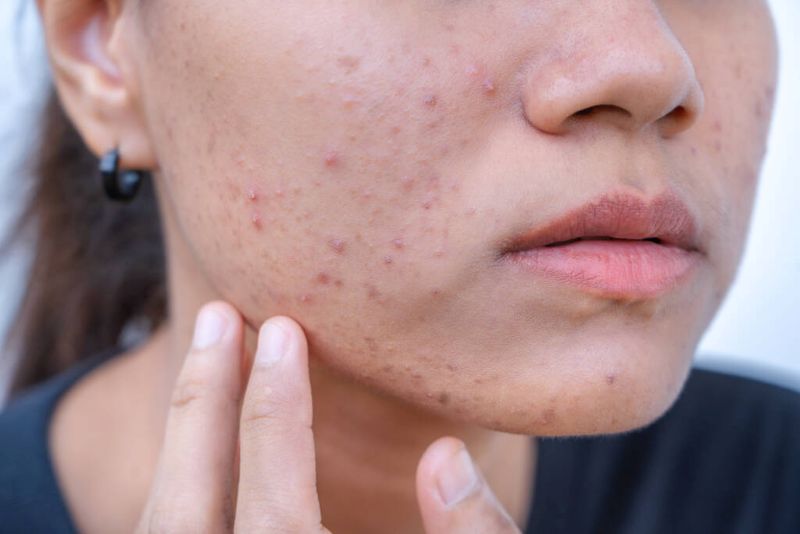
Navigating the world of skincare when you have acne-prone skin can feel like walking through a minefield. One wrong product, and you’re dealing with a new constellation of breakouts. The internet is flooded with conflicting advice, miracle cures, and 12-step routines that seem both expensive and overwhelming. The truth? A successful routine for acne-prone skin isn’t about using more products; it’s about using the right products, consistently and gently.
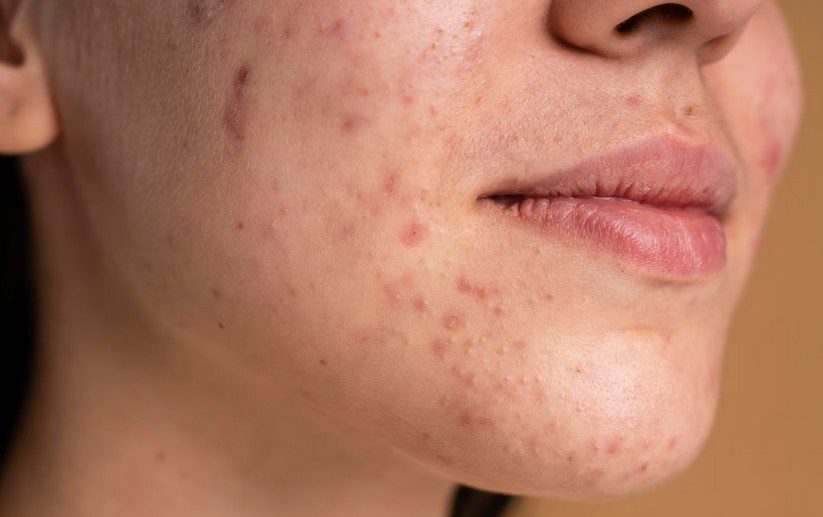
Acne is an inflammatory skin condition, and treating it requires a balanced approach that targets its root causes—excess oil, clogged pores, bacteria, and inflammation—without causing further irritation. Forget the harsh scrubs and stripping toners of the past. Today, we’re building a smart, effective routine that supports your skin barrier and delivers clear, healthy results.
This guide will walk you through the fundamental building blocks of a skincare regimen tailored specifically for managing and preventing breakouts.
The Foundational Principles of Acne Care
Before we dive into specific products, it’s crucial to understand the philosophy behind an effective acne routine. Keep these principles in mind as you select and use your products.
- Consistency Over Intensity: Using a powerful acne treatment once a week is far less effective than using a gentle, appropriate routine every single day. Your skin thrives on predictability. Lasting results come from consistent, long-term habits.
- Be Gentle, Always: It’s tempting to attack blemishes with aggressive force, but acne-prone skin is already inflamed and sensitive. Over-scrubbing, using high-concentration alcohol toners, or piling on harsh actives will only damage your skin’s moisture barrier. A compromised barrier leads to more irritation, dehydration, and, you guessed it, more acne.
- Know Your Active Ingredients: Understanding the key players in acne treatment will empower you to choose products wisely.
- Salicylic Acid (BHA): Oil-soluble, it penetrates deep into pores to dissolve sebum and dead skin cells, making it a superstar for blackheads and whiteheads.
- Benzoyl Peroxide: A powerful antibacterial agent that kills the P. acnes bacteria responsible for inflammatory pimples.
- Retinoids (Retinol, Adapalene, Tretinoin): Vitamin A derivatives that accelerate skin cell turnover, preventing pores from getting clogged. They are the gold standard for long-term acne management and also help with post-acne marks and texture.
- Niacinamide (Vitamin B3): A versatile anti-inflammatory that helps regulate oil production, calm redness, and strengthen the skin barrier.
- Hydration is Not the Enemy: A common mistake is trying to “dry out” acne. Dehydrated skin often overcompensates by producing even more oil, creating a vicious cycle. Even the oiliest skin types need a lightweight, non-comedogenic moisturizer to stay balanced and healthy.
Building Your Morning (AM) Routine: Protect and Prepare

Your morning routine has two primary goals: to gently cleanse the skin from overnight oil production and to protect it from the environmental aggressors you’ll face throughout the day, especially UV radiation.
Step 1: Gentle Cleanser Start your day by washing your face with a mild, pH-balanced cleanser. This removes excess sebum and impurities without stripping your skin of its natural oils.
- What to look for: Look for gel or foam cleansers labeled “gentle,” “non-comedogenic,” and “sulfate-free.” If your acne is mild, a cleanser with a low concentration of salicylic acid (0.5% to 2%) can be beneficial.
Step 2: Targeted Treatment (Optional) If you’re dealing with redness or want to prevent dark spots, this is a good place for a targeted serum.
- What to look for: A Niacinamide serum can help control oil and reduce inflammation throughout the day. A Vitamin C serum is a powerful antioxidant that protects against free radical damage and can help brighten post-acne marks (post-inflammatory hyperpigmentation). Just be sure to choose a formula that doesn’t irritate your skin.
Step 3: Lightweight Moisturizer Yes, even in the morning! A moisturizer is essential for keeping your skin barrier healthy. A hydrated barrier is better equipped to heal existing blemishes and defend against bacteria.
- What to look for: Opt for an “oil-free,” “non-comedogenic” formula with a gel or lotion texture. Ingredients like hyaluronic acid provide hydration without weight, while ceramides help repair the skin barrier.
Step 4: Sunscreen (Non-Negotiable) This is arguably the most critical step in any skincare routine, but it is absolutely vital for acne-prone skin. Many acne treatments (like retinoids and acids) make your skin more sensitive to the sun. Furthermore, sun exposure darkens the red and brown marks left behind by pimples, making them last much longer.
- What to look for: Choose a broad-spectrum sunscreen with an SPF of 30 or higher. Look for formulas labeled “oil-free” or “non-comedogenic.” Mineral sunscreens (containing zinc oxide and titanium dioxide) are often well-tolerated by sensitive, acne-prone skin.
Crafting Your Evening (PM) Routine: Treat and Repair
Your evening routine is where the heavy lifting happens. While you sleep, your skin is in repair mode, making it the perfect time to use active ingredients that treat acne and encourage healing.
Step 1: Double Cleanse If you wear makeup or sunscreen (and you should be!), a double cleanse is essential. The first cleanse breaks down the products on your skin’s surface, while the second cleanse actually cleans your skin.
- How to do it: Start with a cleansing oil or balm on dry skin to melt away makeup and SPF. Rinse, then follow up with your regular gentle water-based cleanser from the morning. This ensures your treatment products can penetrate effectively.
Step 2: Active Treatment / Exfoliation This is the core treatment step. It’s important to introduce actives slowly and not use them all at once. Alternate nights to avoid irritation.
- For Clogged Pores: Use a chemical exfoliant containing Salicylic Acid (BHA) 2-3 times per week. This will keep pores clear and reduce blackheads and whiteheads.
- For Inflammatory Acne: A Benzoyl Peroxide treatment (2.5% to 5% concentration) can be applied as a spot treatment or a thin layer over affected areas to kill bacteria.
- For Long-Term Management: A Retinoid is your best friend. Start with an over-the-counter option like Adapalene (e.g., Differin gel) or a gentle retinol. Begin by using it only 2-3 nights a week, applying a pea-sized amount to dry skin. As your skin adapts, you can slowly increase the frequency. Note: Do not use retinoids on the same night as strong exfoliating acids initially.
Step 3: Hydrating Serum (Optional but Recommended) If your active treatments are causing dryness or flaking, follow up with a simple, soothing serum focused on hydration.
- What to look for: Products with hyaluronic acid, glycerin, ceramides, or panthenol will help replenish moisture and calm irritation without clogging pores.
Step 4: Moisturizer Finish your routine by locking everything in with a good moisturizer. This creates a protective seal over your skin, allowing the active ingredients to work while preventing moisture loss overnight.
- What to look for: Your evening moisturizer can be slightly more nourishing than your daytime one, especially if you’re using drying actives like retinoids. A non-comedogenic cream with ceramides and niacinamide is an excellent choice to support barrier repair.
Final Thoughts: Patience is a Virtue
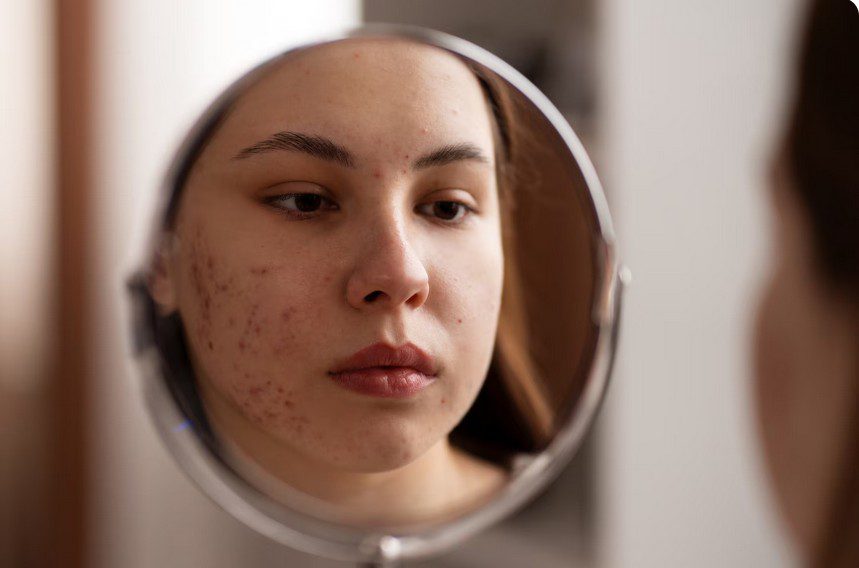
Creating the right routine for acne-prone skin is a marathon, not a sprint. It can take 6-8 weeks of consistent use to see significant results from new products. Start slow, introduce one new active ingredient at a time, and pay close attention to how your skin responds.
And remember, if your acne is persistent, painful, or cystic, the best course of action is always to consult a board-certified dermatologist. They can offer prescription-strength treatments and personalized advice that can make all the difference on your journey to clear skin.