Is your smartphone affecting your sleep? Unplug Today
7 min read
1386 words
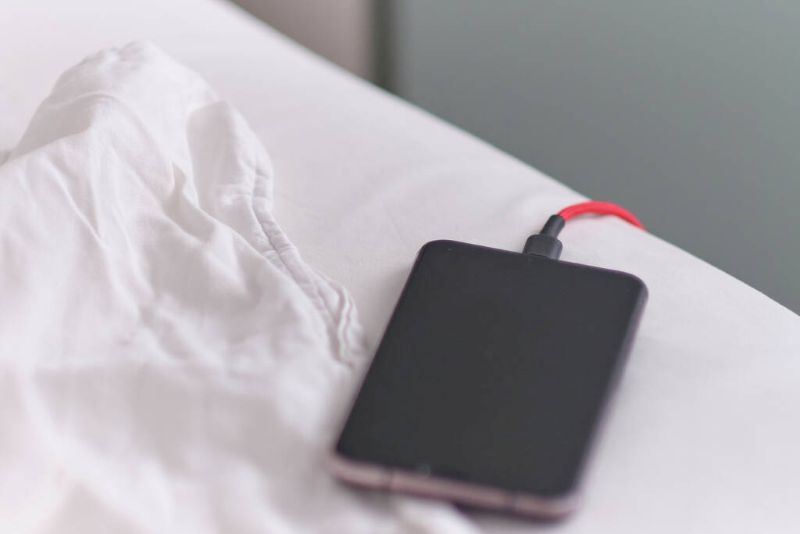
Let’s face it. For a lot of us, the final thing we look at before drifting off to sleep, and the first thing we grab when we wake up, is that bright screen we refer to as a smartphone. It’s everywhere, serving as a link to others, and a source of information. But what if that constant link, especially during those important moments before we go to sleep, is actually undermining one of our most essential human needs: good quality sleep?
Multiple studies have raised concerns, consistently pointing out the negative impacts of smartphone screen time, particularly during the hours before sleep. For a long time, I agreed with the research in theory, but I seldom applied it in my life. My smartphone became part of my bedtime routine – a quick scroll through marketplace, managing the Facebook groups I admin, maybe reading the news. It seemed harmless. Until it wasn’t.
I found myself restless, unable to settle down. The process of falling asleep seemed like a daunting challenge, and waking up frequently resulted in a greater sense of fatigue than I experienced prior to sleeping. A change was necessary. Therefore, I resolved to cease using my cell phone before bedtime. I can confidently state that my sleep quality has significantly improved.
It appears that we possess a remarkable ability to relax without our smartphone device, and the advantages reach well beyond the confines of the bedroom. If you find yourself, as I do, weary of constant fatigue and believe that your online habits could be contributing to this issue, I invite you to join me in discovering the significant rewards of taking back your evenings and enhancing your sleep away from the incessant scrolling.
Why Screens Are Your Bedtime Enemy
To really get why putting your smartphone away before bed is so important, we should take a quick look at the science behind it. Our bodies have an internal clock known as the circadian rhythm, which plays a big role in our sleep-wake cycle. A key hormone in this process is melatonin, which tells our brain that it’s time to relax and get ready for sleep.
Now, this is where your phone comes into play. Those small screens give off a lot of blue light. While blue light is helpful during the day to keep us alert, it’s a total disaster for melatonin production at night. When we’re exposed to blue light in the evening, it stops melatonin from being released, basically sending a message to our brain that says, “Hey, it’s still daytime! Stay awake!” This makes it tougher to fall asleep, and even if you manage to doze off, the quality of your sleep can suffer, resulting in less restorative deep and REM sleep.
But it’s not just the blue light that’s the problem. Think about the stuff we look at on our smartphone. Scrolling through news can make us anxious, and even browsing social media can be mentally stimulating. Our brains are wired to stay alert and engaged by these things, which is the complete opposite of what we need for a smooth transition to sleep. We’re basically revving ourselves up when we should be winding down.
The outcome? Broken sleep, trouble falling asleep, and a general sense of tiredness the next day. Over time, not getting enough sleep can lead to a bunch of health problems, like poor cognitive function, a weakened immune system, a higher chance of accidents, and even a greater risk of mood disorders like anxiety and depression. It’s a slippery slope, and our phones are often the ones pushing us down it.
My Personal Transformation: From Restless to Restored

My “before” picture was likely something many of you can relate to: phone in hand, snuggled under the blankets, scrolling until my eyes felt gritty. I would convince myself, “Just five more minutes,” which always turned into twenty or thirty. Then, when I finally set the phone aside, my mind would be racing. I would replay conversations, imagine social media posts, stress over things I read. It often took me an hour or more to actually drift off, and even then I would wake up.
For me, the change happened all at once. After returning from a trip to Niagara Falls with my daughter, I made the decision to stop using my cell phone before bedtime. Within just a few days, I realized I was falling asleep more quickly.
Rethinking My Social Media Use
The good things I noticed from unplugging at bedtime made me think more about how I use my devices. If taking a break from my phone at night can have such great effects, what if I also cut back on my Facebook during the day and evening?
Deciding to limit social media apps like Facebook was a natural next step in my journey towards better digital health.
While Facebook can help us connect and share information, it can also really drain our mental and emotional energy.
Seeing the seemingly perfect lives of others, the nonstop flow of news (both true and false), and the drama can leave us feeling not good enough, anxious, and constantly distracted.
Your Journey to Digital Calm: Simple Steps to Unplug and Recharge
So, how can you start your own path to improved sleep and a healthier digital lifestyle? It may seem overwhelming at first, but keep in mind that every big change begins with a small step.
Establish a “Digital Sunset”: Choose a time each evening (like 60-90 minutes before bedtime) when all screens (phones, tablets, laptops) are turned off or put away. Treat this as a firm end to your digital day.
Discover Your Analog Wind-Down Rituals: Swap screen time for activities that genuinely help you relax.
Read a physical book: Dive into a story without the light of a screen.
Journal: Write down your thoughts and worries on paper to clear your mind.
Take a warm bath or shower: The change in temperature promotes relaxation.
Talk to a loved one: Connect in the real world.
Evaluate Your Social Media Habits: Be truthful with yourself. How much time do you spend scrolling? Use your phone’s built-in screen time trackers. Set limits, unfollow accounts that make you feel bad, and plan specific times to check social media instead of reacting to notifications mindlessly.
Disable Non-Essential Notifications: Cut down on the constant distractions. Most apps don’t need to alert you immediately.
Start Small, Be Patient: Don’t attempt to change everything at once. Choose one or two habits to modify, stick with them, and gain momentum. There will be days when you falter, and that’s perfectly fine. Just reset and recommit the following day.
The Ripple Effect: Beyond Sleep
The advantages of purposefully disconnecting from your smartphone or tablet go well beyond just getting more sleep. By taking back your evenings from the digital realm, you are making a commitment to your overall health. You might notice:
- Better Mood and Lower Anxiety: With less comparison and more authentic relaxation, you can achieve a more peaceful and optimistic perspective.
- Boosted Creativity and Problem-Solving: A calm mind has more room for fresh ideas and creative solutions.
- Deeper Relationships: When you’re not glued to your phone, you can focus entirely on the people around you.
- Greater Self-Awareness: Without the constant noise from the outside, you have more chances to connect with your own thoughts, emotions, and needs.
Conclusion
It’s not about completely giving up on technology; it’s about using it wisely. It’s about understanding when technology helps you and when it begins to take over your life. My transition from a distracted screen-watcher to a more relaxed person who engages with social media more purposefully has been life-changing. I’ve learned that real relaxation doesn’t come from mindlessly scrolling through my spartphone, but from consciously stepping away.
You can do this, too. You can create an evening routine that really helps you get good sleep. You can connect with the world without needing constant approval from your devices. Start that first step tonight. Your sleep, your peace of mind, and your overall health will appreciate it.
What little action will you take tonight to get your rest back and disconnect from the digital chaos? Let us know your ideas and tips in the comments below!