What is Disney Rash? A Look At Exercise-Induced Vasculitis
7 min read
1309 words
When you think of going to Niagara Falls, the last thing on your mind is developing a rash. However, for some people, this seemingly innocent activity can lead to a condition known as “Disney Rash,” also known as exercise-induced vasculitis. In this article, we will take a closer look at what Disney Rash is, its symptoms, causes, and how to prevent it.
For several months, the idea of my trip to Niagara Falls had been a bright spot on my calendar. I had looked into attractions and planned our days in my mind, imagining the powerful sound of the falls. What I was sure of, without a doubt, was that this trip would require a lot of walking. As an overweight large woman, not exactly fit by typical standards, this was something I took seriously. I wasn’t discouraged, but I was realistic. I made sure to stay hydrated, packed my comfiest walking shoes, and got myself ready for sore feet. I felt confident that I was doing everything right, prepared to tackle the miles with excitement and a sense of adventure.
The first night went wonderfully, filled with some thrilling discoveries. We checked out the wax museums and Ripley’s Believe It or Not! Every step brought new sights and sounds, distractions that made the physical effort feel less overwhelming. By the end of the night, my feet were definitely tired, a dull ache pulsing in my arches and heels, but this was a familiar feeling after a long day of exploring. It was the kind of tiredness you earn, a night well spent. I took a shower and looked forward to another day of adventure, feeling a quiet pride in my stamina. I had followed all the suggested tips – comfortable shoes, cotton socks to keep moisture away, and drinking water regularly throughout the day. My efforts seemed to be paying off, letting me dive into the experience without too much discomfort.
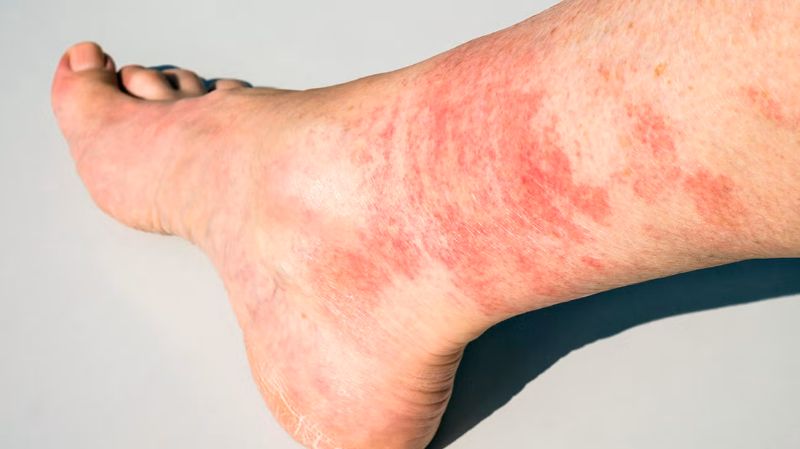
On the second day, after another long morning of walking from our hotel on Ferry Street to the bustling Clifton Hill, and then to Niagara-On-The-Lake, I began to feel something new and unwelcome. Initially, it was a red, sore rash on my lower legs. By the third day, with the rash still present, I felt a mix of worry and confusion, so I took a quick photo of my legs and posted it on my private Facebook page. Almost right away, my brother commented, “Looks like Disney rash!”
Understanding “Disney Rash” (Exercise-Induced Vasculitis)
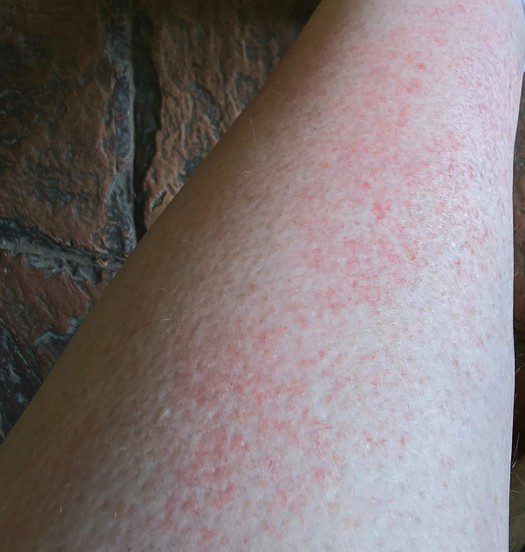
The phrase “Disney Rash” is catchy and sticks in your mind because you hear it a lot from people visiting theme parks. However, it’s actually a casual term for a real medical issue called Exercise-Induced Vasculitis (EIV). Sometimes, it’s also known as Golfer’s Rash, Hiker’s Rash, or Purpuric Vasculitis. This condition is a harmless inflammatory response of the small blood vessels in the skin, mainly affecting the lower legs and ankles. Unlike a regular allergic reaction or an infection, EIV is usually caused by a mix of factors related to physical activity and the environment.
The symptoms I had – patchy redness, a burning feeling, and itching – are typical signs of EIV. The rash usually shows up as blotchy, red, or purple spots, and it can have a slightly raised or mottled look. It might feel warm when you touch it and can sometimes come with mild swelling. What really caught me off guard was how specific the triggers are.
The main causes are standing or walking for a long time, especially in hot and humid weather, along with gravity pulling blood down into the lower legs. This extra pressure and blood pooling, especially in people with less effective blood flow (like some who are plus-size or those with venous insufficiency), can cause inflammation and tiny blood vessels to leak into the nearby tissue.
EIV can affect anyone, but it’s more often seen in middle-aged or older people, as well as those who aren’t used to long periods of exercise or have circulation issues.
For me, being a plus-size person and doing a lot of walking for two days straight, combined with the heat and humidity of a summer day at Niagara Falls, created the perfect situation for this condition to show up.
It was a clear reminder that even activities that seem harmless can have surprising effects on the body, especially when you push yourself past your normal limits.
This isn’t something that’s talked about much, maybe because it’s not life-threatening, but knowing about it in advance could have really helped me manage my expectations and might have even reduced how bad it was.
Navigating the Remainder of the Trip and Lessons Learned
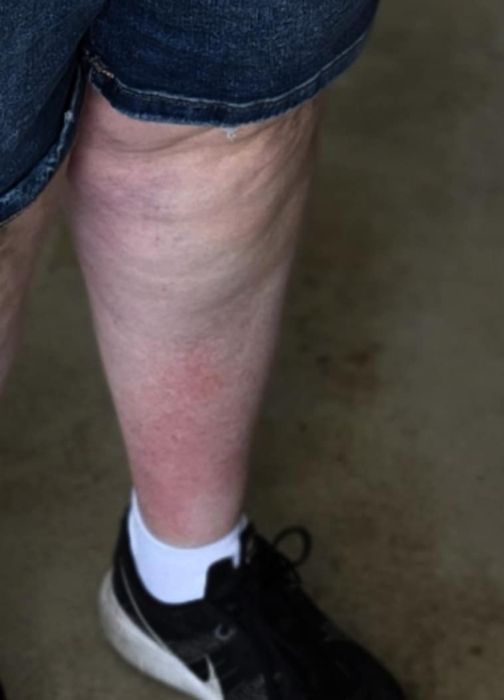
Finding out I had “Disney Rash” while on my trip was a mix of relief (thankfully it wasn’t anything worse) and annoyance. My legs looked pretty bad, and the constant itching and burning were definitely uncomfortable. Although it didn’t ruin the whole trip, it definitely made things more complicated. I had to take more breaks and keep my legs elevated whenever I could. I found some temporary relief by taking cool showers in the evenings. Fortunately, the rash usually goes away on its own within a few days to a week if I take it easy and rest my legs.
The main lesson I learned from this surprise situation was about being more self-aware and managing things proactively, especially when going on active vacations. If I were to plan a similar trip now, knowing what I know, I would do things quite differently.
First of all, compression socks would be a must-have. These socks are made to help with blood circulation in the legs, which can prevent blood from pooling and reduce swelling—both of which contribute to EIV. I never thought I needed them before, but now I see how important they are for long days of walking.
Secondly, I would focus even more on gradually increasing my activity level. Even though I did some walking at home to prepare, it clearly wasn’t enough to get my legs ready for several days of heavy touring. I would make sure to include longer walks, especially on different types of terrain, in the weeks leading up to the trip.
Thirdly, we would include scheduled breaks and elevation in our plan. Rather than pushing myself until I’m worn out, I would intentionally set aside time to rest, where I could sit down, take off my shoes, and elevate my feet above my heart for a few minutes. This would help get rid of the extra fluid and lessen the pressure on my blood vessels.
Finally, I would actively look for ways to cool down. A small cooling towel that I could wet and place on my legs would really help in hot weather. Plus, it’s super important to keep wearing comfy, supportive walking shoes and to stay hydrated. Paying attention to my body and recognizing what signs like unusual itching or redness could indicate is now a major focus.
My journey to Niagara Falls was truly a dream realized in many aspects. The incredible force and beauty of the falls left a lasting impression on me. However, it also took me on an unexpected yet enlightening detour into exercise physiology and the intriguing phenomenon known as “Disney Rash.” This experience was a crucial reminder that while being prepared is essential, some of the most important lessons arise from the unexpected. It showed me that being obese doesn’t mean you can’t engage actively in life’s adventures; rather, it requires a heightened awareness of your body’s specific responses and needs. I still treasure the moments I shared with my daughter at Niagara Falls, and now I also possess the important knowledge of how to better ready my body for our next big adventure, free from rashes.