
Dining Out Costs: Are You Ready for the Price?
4 min read
746 words
For years, eating out at a restaurant was one of life’s simple pleasures. Whether it was a casual dinner while traveling, a quick burger that felt like a small indulgence, or a stop at a roadside chip truck, it wasn’t something most people had to overthink. It was an accessible treat, a convenient break from cooking, or a chance to gather with loved ones without the fuss of preparing a meal. The decision was often spontaneous, driven by hunger or the desire for a change of pace. But now, that’s changed. The landscape of dining out has shifted dramatically, transforming what was once a casual affair into a significant financial consideration, prompting many to pause and reconsider.
The Fading Simplicity of Dining Out
The ease with which we once approached dining out has eroded, replaced by a growing awareness of escalating costs. Several factors contribute to this paradigm shift. Global inflation, supply chain disruptions, and increased labor costs are just a few of the economic pressures that have driven up the price of everything from ingredients to utility bills for restaurants. These rising operational expenses inevitably get passed on to the consumer, making even the most modest of meals a more substantial dent in the wallet.
Gone are the days when a family could pop into a mid-range casual restaurant without a second thought about the final tab. Today, every menu item, every drink, and every side order feels magnified, weighed against the cost of groceries and the ever-present pressure of household budgets. This shift isn’t merely about higher numbers on a bill; it’s about a fundamental change in the perceived value and accessibility of dining out. It forces a deliberate calculation, stripping away the spontaneity that once defined the experience.
A New Reality: The Anatomy of a $77 Lunch

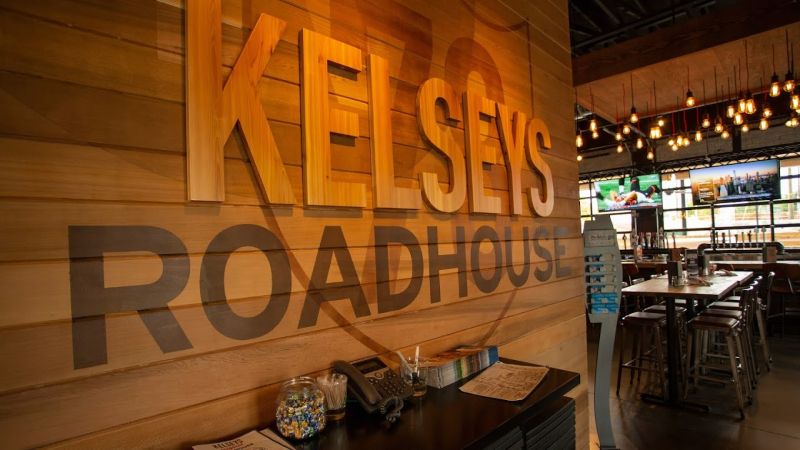
This new reality recently hit home for my family. My husband, daughter, and I stopped at Kelseys – a popular casual dining chain – for lunch. Our order was simple and unassuming: my husband and I opted for burgers, while our daughter chose from the kids’ menu. We each had an iced tea, and that was it. There were no appetizers, no alcoholic beverages, and certainly no desserts. It was a straightforward, no-frills meal, typical of what one might expect for a casual midday bite.
Yet, when the bill arrived, we were genuinely taken aback. For the three of us, our total came to $77.39. This figure, for what was essentially two burgers, a child’s meal, and three non-alcoholic drinks, felt staggering. It wasn’t a gourmet experience, nor was it a fine-dining establishment. It was a familiar, family-friendly restaurant. The sticker shock was palpable. It prompted an immediate internal calculation: How many meals could we have prepared at home for that amount? How many groceries could have been purchased? The simple pleasure of stepping out for lunch had instantly transformed into a moment of financial reflection, highlighting just how much the cost of eating out has climbed.
Beyond the Bill: Navigating the New Dining Landscape
The experience at Kelseys is far from isolated; it’s a shared sentiment among many consumers who are increasingly feeling the squeeze. This significant rise in dining costs has broader implications, causing shifts in consumer behavior and challenging the restaurant industry to adapt. Many families are now reducing the frequency of their restaurant visits, opting instead for more home-cooked meals, meal prepping, or exploring more budget-friendly alternatives like take-out from fast-casual establishments or relying on grocery store ready-meals.
For the restaurant industry, this presents a complex challenge. While they grapple with their own rising costs, they must also find ways to retain customers who are becoming more price-sensitive and value-conscious. Some establishments are experimenting with smaller portion sizes, simplified menus, or special promotions during off-peak hours to entice diners. Others are emphasizing the unique “experience” of dining out, trying to justify the higher price point by offering more than just food.
Ultimately, the era of “not overthinking” dining out appears to be behind us. What was once a casual indulgence has evolved into a considered expense, requiring budgeting and planning for many households. While the joy of sharing a meal outside the home remains, the financial implications now weigh heavier, forcing consumers to navigate a new landscape where even a simple burger can come with a surprising price tag. The challenge now lies in finding new ways to enjoy food, whether at home or out, that align with the evolving economic realities.




We seldom eat out because of the expenses.