The Psychological Benefits of Using a Walking Cane
5 min read
804 words
For many Australians navigating the challenges of mobility, a walking cane is far more than just a piece of equipment; it is a profound tool for psychological empowerment. As Australia faces a future defined by an ageing population dedicated to maintaining independence, understanding the holistic benefits of ageing population -specifically their positive impact on mental health—becomes crucial.
The decision to use a mobility aid often marks a significant life transition. However, when chosen wisely, a walking cane transforms from a symbol of necessity into an instrument of freedom, playing a vital role in boosting self-esteem, reducing anxiety, and enabling richer social connections. This article explores the powerful psychological advantages that walking canes provide, fostering a more active and confident lifestyle.
Enhancing Confidence and Personal Independence
One of the most immediate and impactful psychological benefits of utilizing a walking cane is the substantial increase in self-confidence. Mobility aids, such as canes, shift the user’s experience from managing instability to achieving consistent, reliable support. This physical stability translates directly into psychological resilience.
When an individual feels stable and secure on their feet, the world opens up. Canes create load stability, helping users maintain an upright posture and achieve greater self-sufficiency in moving through their environment. This increased sense of safety empowers users to reclaim activities they might have avoided, such as shopping excursions, attending community events, or simply enjoying a walk in the local park.
This regained independence significantly enhances mental comfort. It counters the debilitating feelings of social detachment and loneliness that often accompany restricted mobility. By reinforcing the user’s capability to manage their daily life autonomously, the walking cane helps cultivate a positive self-image and a renewed sense of control over personal circumstances.
Reducing Anxiety and Fear of Falling

The fear of falling (FoF) is a pervasive and debilitating condition, particularly among older adults and those with balance difficulties. This fear often creates a negative feedback loop: the anxiety about falling leads to increased sedentary behaviour, which in turn causes muscle weakening, isolation, and intensified symptoms of depression and generalized anxiety.
A walking cane effectively interrupts this cycle. Its physical support provides tangible, immediate stability that directly reduces psychological distress. Research indicates that individuals who actively use walking aids report significantly less anxiety concerning their mobility and surroundings.
Critically, the cane acts as a proactive assurance tool. Users are relaxed knowing their supportive aid is always present, allowing them to focus on their journey and environment rather than constantly being preoccupied with potential hazards. This reduction in cognitive load associated with walking frees up mental energy, leading to overall improved mood and reduced stress levels. The peace of mind offered by reliable stability is perhaps the greatest mental health benefit a cane provides.
Encouraging Physical Activity
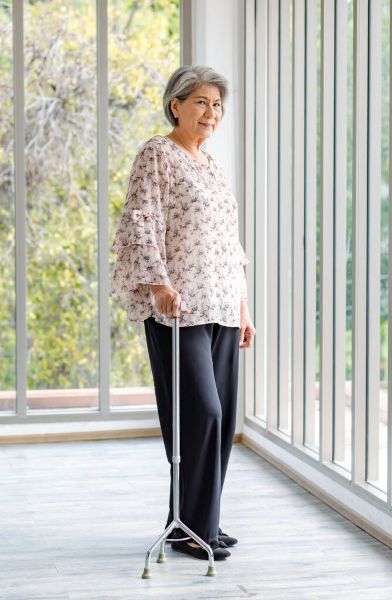
The support that walking canes offer to users leads them to remain physically active. Physical activity stands as a basic requirement for mental health because it causes endorphin release, which results in mood enhancement. The use of a walking cane brings users comfort to perform a light physical activity such as walking so they can experience significant psychological gains.
It is vital for mental health, as physical activity counteracts the tendencies of depression and anxiety. A walking cane might function as an access ramp to a more active and engaged life, which benefits the patient on both physical and psychological levels.
By enabling greater independence, walking canes are instrumental in fostering stronger social connections. When mobility is restored, the barrier to social engagement is broken down. Users are more likely to accept invitations, visit family, and remain active members of their communities. This continuous engagement is a powerful antidote to isolation, which is a major risk factor for poor mental health in later life.
Furthermore, the choice of a modern, attractive walking cane can significantly boost the user’s self-perception. In the past, mobility aids were often seen as strictly utilitarian. Today, many canes are designed to be stylish accessories, reflecting the user’s personal taste and sophistication.
When a cane is viewed not simply as an aid but as a personalized accessory, it changes the narrative from one of limitation to one of confidence. This feeling of presenting a well-maintained and stylish self reinforces positive self-esteem, encouraging individuals to step out and engage with the world with pride.
Conclusion
The advantages of using a walking cane extend far beyond simple physical assistance. By bolstering confidence, assuring independence, alleviating the debilitating fear of falling, and encouraging essential physical activity, walking canes are a vital asset in promoting holistic health and mental wellness for Australians striving to maintain their quality of life. They are tools that empower not just the legs, but the mind.
Have you or someone you care about considered how the right mobility aid could support a more confident and engaged life?