How to Shop Early Holiday Sales Without Overspending
9 min read
1685 words
Holiday shopping seems to start earlier every year. By the end of September, many retailers are already promoting fall sales, gift ideas and early Christmas deals. For shoppers, these promotions can be a good opportunity to get a head start on Christmas shopping, spread out expenses and avoid the last-minute rush.
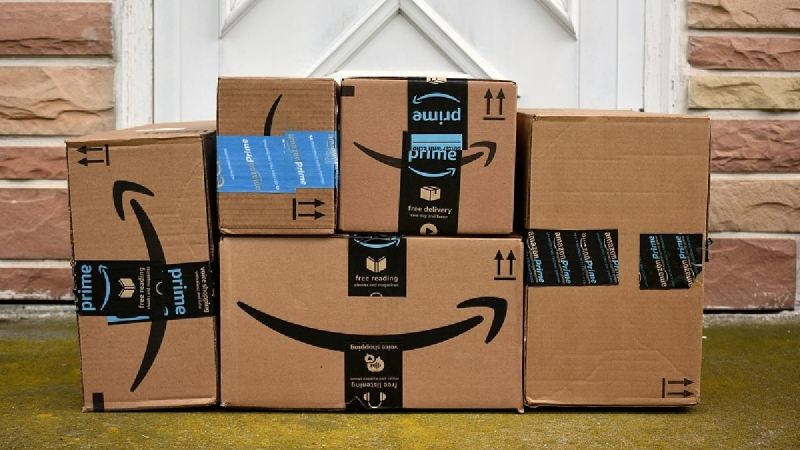
Amazon Prime Big Deal Days took place on October 6 and 7, 2026, offering Prime members discounts across categories such as electronics, home products, beauty, clothing and seasonal items. However, early holiday promotions don’t end with one shopping event. Retailers continue offering sales throughout November, leading up to Black Friday and Cyber Monday.
But shopping early doesn’t automatically mean getting a great deal. A little planning can help you avoid impulse purchases, misleading discounts and products you don’t really need.
Here are some practical ways to shop smarter during the holiday sales season.
Make Your Holiday Shopping List Before You Browse
Before opening Amazon or visiting your favourite stores, make a list of the people you need to buy for and a few gift ideas for each person.
You don’t have to know exactly what you’re going to purchase. Having a general idea is enough to help you stay focused.
For example, instead of searching broadly for gifts, look for a warm robe, coffee maker, board game or gardening gift. Having something specific in mind makes it easier to recognize a worthwhile bargain when you see one.
A shopping list can also help prevent duplicate purchases and reduce the temptation to buy something simply because it’s on sale.
Set a Holiday Shopping Budget
Sales can make it very easy to spend more than you originally planned. Before browsing, decide how much you can comfortably afford to spend on Christmas shopping.
If you’re buying for several people, it may help to set a general spending limit for each person. Remember to leave room in your budget for holiday groceries, travel, wrapping supplies and other seasonal expenses.
A discounted item isn’t necessarily a saving if you didn’t need it or hadn’t planned to buy it in the first place.
Start Watching Prices Before the Sales
One of the smartest things you can do before a major shopping event is pay attention to regular prices.
If there’s something you’ve been planning to purchase, check its current price before the sales begin. You can then compare it with the advertised sale price later.
Price-tracking tools can also help you see how much an item has cost over time. CamelCamelCamel, for example, tracks Amazon product prices, while Google Shopping can help you compare prices from different retailers.
This research gives you a better idea of whether you’re getting a genuine bargain instead of relying on a large percentage discount displayed on a product page.
Compare Prices at Other Canadian Retailers
Amazon isn’t the only place offering holiday deals. Before making a purchase, check other Canadian retailers to see whether the same product is available for less. Compare the exact brand and model whenever possible. Two products may look similar but have different features, specifications or accessories. Remember to compare the final price, including shipping and delivery fees, rather than looking at the advertised product price alone.
Save Items You’re Considering
If you regularly shop online, save products you’re seriously considering to a wish list or shopping list.
This makes it easier to revisit an item and check whether its price changes during a sale. It also reduces the amount of time spent browsing products you never intended to purchase.
The more time you spend scrolling through thousands of listings, the easier it becomes to add unnecessary items to your cart.
Don’t Assume Every Sale Is a Great Deal

A sale price doesn’t necessarily mean you’re getting exceptional value. Some products are discounted regularly throughout the year, while others may have prices that fluctuate depending on demand.
Pay attention to the actual price rather than focusing only on phrases such as “limited-time offer,” “huge savings” or “special deal.”
If you’re unsure whether a discount is worthwhile, take a moment to compare prices at other stores and check the item’s price history. A little research can tell you much more than a large red discount banner.
Read Product Reviews Carefully
Customer reviews can be helpful when shopping online, but don’t rely on the overall star rating alone.
Read several recent reviews and look for comments about product quality, durability, sizing, battery life, materials and other details that matter to you.
Pay attention to repeated complaints. If several customers mention the same problem, it may be worth considering another product.
It’s also wise to be cautious of reviews that seem overly generic or unusually similar. Reviews should help you make an informed decision, not replace your own research.
Check Who Is Selling the Product
When shopping on Amazon, take a moment to check whether an item is sold directly by Amazon or by a third-party seller.
Third-party sellers can offer legitimate products and competitive prices, but it’s still important to look at their ratings, customer feedback, shipping information and return policies.
Two listings for what appears to be the same product may have different sellers, delivery times and return conditions. This is particularly important when purchasing electronics, expensive household items or Christmas gifts that need to arrive by a specific date.
Avoid Holiday Impulse Purchases
Early holiday sales can create the impression that you need to buy something immediately before the deal disappears.
You don’t.
If you see an item you hadn’t planned to purchase, give yourself a little time to think about it. Ask yourself whether you would still want it if it weren’t advertised as a special deal.
Sometimes stepping away from your shopping cart and returning later is enough to realize you don’t need the item after all.
Consider Buying Christmas Gifts Early
There are some genuine advantages to getting your Christmas shopping done early.
Popular products can sell out closer to Christmas, and shipping delays may become more common as the holidays approach. Buying gifts during early promotions can also help spread the cost of Christmas over several weeks rather than putting everything on one credit card bill in December.
Just remember to keep track of what you’ve purchased and where you’ve put it. A simple list can help you avoid forgetting a gift or accidentally buying the same thing twice.
Check the Return Policy Before Buying
Before purchasing a gift, check the retailer’s return and exchange policy.
Some sale items may have different return conditions, while marketplace purchases can have policies that vary by seller. If you’re buying clothing, shoes or anything where sizing may be an issue, a flexible return policy can be especially helpful.
Keep your receipts and online order confirmations until you’re sure the gift is going to be kept.
Pay Attention to Delivery Dates
A low price doesn’t help much if the gift arrives after Christmas.
Check the estimated delivery date before placing your order. This is especially important when buying from third-party sellers or ordering products from outside Canada.
If you’re ordering several gifts online, keep a simple list of expected delivery dates and order numbers. This makes it easier to track purchases and follow up if something doesn’t arrive when expected.
Be Careful With Holiday Shopping Emails and Messages
The holiday shopping season also brings an increase in fake delivery notices, account alerts and promotional messages.
Be cautious about clicking links in unexpected emails or text messages claiming that your Amazon account needs attention or that you must pay an additional delivery charge.
If you’re concerned about an order, go directly to the retailer’s website or official app rather than using a link in an unexpected message. You can also check your order history there to confirm whether there’s actually a problem.
Think About Household Purchases Too
It’s easy to focus on Christmas gifts and forget about other purchases you may need before winter.
If something in your home is already wearing out, fall and holiday sales may provide an opportunity to replace it. You might be looking for a small appliance, winter clothing, storage products, technology or household essentials.
The key is to buy something because you need it, not simply because it’s advertised at a discount.
Is Amazon Prime Membership Worth It for Holiday Shopping?
Amazon Prime membership offers benefits such as access to certain Prime-exclusive promotions and eligible delivery services. However, you don’t necessarily need to sign up just because a major shopping event is taking place.
Consider how often you shop on Amazon and whether you’ll use the membership benefits throughout the year.
If you only plan to purchase one or two items, paying for a membership simply to access a sale may not save you money. Compare the cost of membership with the benefits you expect to use before signing up.
Don’t Forget Black Friday and Cyber Monday
There’s no rule saying you have to finish all your Christmas shopping in September or October.
Black Friday and Cyber Monday remain important shopping periods, and some products may receive additional discounts later in the fall. If you’re unsure whether to buy something now, compare the current price with its previous prices and consider whether you actually need it right away.
For more advice on planning your purchases, see my [Black Friday shopping guide], which shares practical tips for comparing prices, avoiding unnecessary spending and making informed buying decisions.
Shop With a Plan, Not the Clock
The biggest advantage of early holiday sales is having more time to make thoughtful purchases. You don’t need to rush simply because a website tells you a deal is ending soon.
Make your list, set your budget, compare prices and read the details before buying. Whether you’re shopping Amazon promotions, Black Friday, Cyber Monday or smaller sales throughout the fall, the goal is the same: spend your money on things you actually want and need.
A little planning can make holiday shopping less stressful, help you avoid unnecessary purchases and leave you with more time to enjoy the Christmas season.
Updated November 2, 2026, with refreshed holiday shopping advice, price comparison tips and current seasonal information.