How to Deep Clean and Winterize Your Vehicle Before November
9 min read
1737 words
The end of September is a good time to start thinking about your vehicle before colder weather arrives. There is something about the changing seasons that makes me notice all the crumbs hiding between the seats, dirt on the floor mats and things that have somehow made their way into the trunk over the summer.
Before October gets away from you, give your vehicle a proper cleaning and take care of a few basic winter preparations. In Canada, winter driving can be hard on a vehicle, so getting organized early can make those first cold-weather mornings much easier.
If you want to winterize your vehicle, you do not have to spend an entire weekend detailing it or make a long list of complicated repairs. A thorough cleaning and a few simple checks now can save you time and frustration later.
Start With a Good Decluttering
Before you wash or vacuum anything, take everything out of the vehicle.
Check the glove compartment, centre console, door pockets, back seat and trunk. Remove empty coffee cups, receipts, shopping bags, summer items and anything else that has accumulated over the warmer months.
Do not forget the trunk. Summer sports equipment, gardening supplies, beach towels and other seasonal items can take up valuable space that you may need for winter essentials.
This is also a good time to remove anything that could be damaged by freezing temperatures.
Give the Interior a Deep Clean
Once the vehicle is empty, start at the top and work your way down.
Dust the dashboard, vents, cup holders and other surfaces. A soft brush can help get dust out of air vents and the seams around the console.
Vacuum the seats, carpets and underneath the seats. Pay particular attention to the areas around the pedals and along the edges of the floor.
If you have removable floor mats, take them out and clean them separately. Let them dry completely before putting them back.
For fabric seats, follow the manufacturer’s cleaning instructions. Leather and vinyl surfaces should also be cleaned with products appropriate for the material.
Winter brings salt, slush and moisture into the vehicle, so starting with a clean interior makes it much easier to keep things under control.
Clean the Windows From the Inside
Clean glass becomes particularly important as the days get shorter.
Film and fingerprints on the inside of the windshield can become much more noticeable when the sun is low or when headlights are coming toward you at night. Clean the inside and outside of the windshield, side windows and mirrors.
Take your time around the windshield. Streaks that are barely noticeable in daylight can become distracting after dark.
If your windshield wipers are leaving streaks or skipping across the glass, consider replacing them before winter.
Wash the Outside of the Vehicle
A proper exterior wash before winter is about more than making your vehicle look nice.
Clean away dirt, road grime, insects and other buildup from the paint, wheels and lower areas of the vehicle. Pay attention to the wheel wells and areas around the doors.
If possible, wash the vehicle on a mild day and make sure the doors, hatch and other openings are thoroughly dried.
Winter road salt can contribute to corrosion, so keeping your vehicle clean throughout the winter is worthwhile too.
A clean exterior also gives you a better opportunity to spot scratches, chips, rust or other damage that may need attention before winter.
Check Your Tires
Your tires deserve some attention before winter arrives.
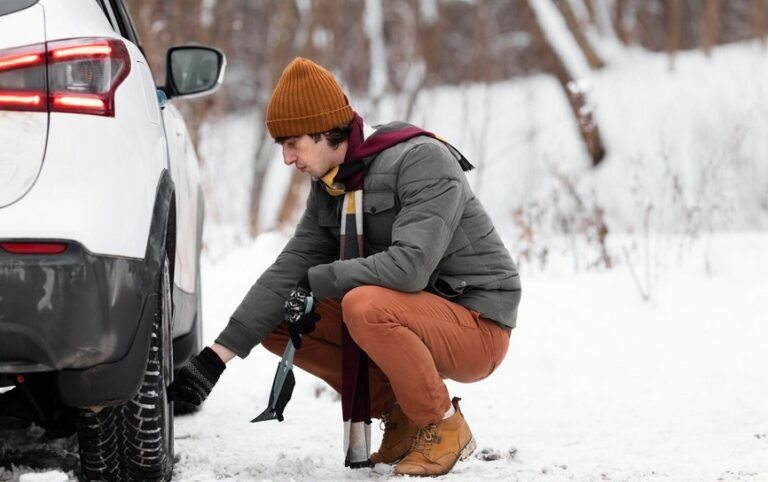
Check the tread and look for obvious damage, uneven wear or anything that does not look right. Check the tire pressure as well. Cooler temperatures can cause tire pressure to drop.
If you use winter tires, September and October are good months to make sure they are ready to go. Check their condition and make sure you know where they are stored.
Do not wait until the first major snowfall to discover that a tire needs replacing or that you cannot find the wheel-lock key.
If you are unsure about the condition of your tires, have them inspected by a qualified tire professional.
Check Your Battery
A battery that works perfectly well during mild weather may have a much harder time starting your vehicle when temperatures drop.
If your battery is several years old, have it tested before winter. Look for corrosion around the terminals and make sure the connections are secure.
If your vehicle has already been slow to start, it is especially worth having the battery checked rather than hoping it will make it through another winter.
A battery check is one of those small jobs that makes sense to take care of while the weather is still relatively comfortable.
Top Up Your Fluids
Early fall is a good time to check your vehicle’s fluid levels according to the manufacturer’s recommendations.
This includes windshield washer fluid, engine oil, coolant and other fluids specified in your owner’s manual.
Make sure the windshield washer fluid you are using is rated for winter temperatures. Summer washer fluid is not necessarily suitable for Canadian winter conditions.
Never open a hot cooling system. If you are unsure how to check coolant or other fluids safely, have a professional do it.
Replace Your Cabin Air Filter if Needed
Your cabin air filter helps keep dust and other particles out of the vehicle’s interior and can affect airflow through the heating and ventilation system.
If you have noticed reduced airflow, unusual smells or increased dust inside the vehicle, check your owner’s manual to see when the filter should be replaced.
A clean filter can help with airflow, but it is not a substitute for having a heating or ventilation problem properly diagnosed.
Check Your Lights
With the days getting shorter, your vehicle’s lights become even more important.
Walk around the vehicle and check the headlights, brake lights, signal lights, hazard lights and rear lights. Clean away dirt that may be covering the lenses.
If one of your lights is not working, replace the bulb or have the problem checked before winter driving becomes part of your daily routine.
It is also worth checking that your headlights are clean and working properly before the first really dark mornings arrive.
Clean and Protect the Door Seals
Moisture can become a nuisance when temperatures fall below freezing.
Clean the rubber seals around your doors and hatch. Check them for cracks, damage or areas that are coming loose.
Keeping the seals clean and in good condition can help reduce problems with moisture and frozen doors.
If you use a product on the seals, make sure it is specifically recommended for automotive rubber and follow the manufacturer’s directions.
Put Together a Winter Emergency Kit
If you removed your winter emergency supplies in the spring, now is the time to put them back.
Depending on where and how you drive, your winter kit might include:
- Warm blanket
- Extra gloves and hat
- Flashlight with fresh batteries
- First-aid kit
- Booster cables or an appropriate battery booster
- Reflective vest or warning device
- Small shovel
- Ice scraper and snow brush
- Bottled water
- Non-perishable snacks
- Phone charging cable or power bank
If you regularly travel outside town or on less travelled roads, consider what you would realistically need if you became stuck or had to wait for roadside assistance.
The contents of your emergency kit can also depend on how far you travel, who travels with you and the type of winter conditions you typically encounter.
Do Not Forget the Trunk
Your trunk can quickly become a catch-all for winter gear, so try to keep it organized.
Make sure your emergency supplies are easy to find rather than buried underneath groceries, tools and shopping bags.
If you have a spare tire, check that it is properly inflated and that the jack and necessary tools are present. If your vehicle does not have a spare, make sure you know what roadside assistance options are available to you.
This is also a good time to make room for a snow brush, shovel and other winter equipment.
Check Your Wipers and Defrosters
Before winter weather arrives, test your windshield wipers and both front and rear defrosters if your vehicle has them.
The defroster should clear condensation and frost from the windshield effectively. If you notice that it is not working properly, have the issue investigated before winter.
Do not use your windshield wipers to scrape thick ice from the glass. An ice scraper is much safer for the windshield and easier on the wiper blades.
Give Yourself Time to Get Ready
You do not need to wait for the first frost or the first snowstorm to start preparing your vehicle.
The end of September is actually a convenient time to get started. You can clean out the vehicle while the weather is still comfortable, check your tires and battery, replace worn wipers and make sure your winter supplies are ready.
If you plan to have winter tires installed, getting organized early can also mean you are not trying to deal with everything at the last minute.
Taking a little time now to winterize your vehicle means you can deal with maintenance and cleaning while the weather is still manageable.
A Little Preparation Can Save a Lot of Hassle
Getting your vehicle ready for winter does not have to involve an expensive detailing package or a long list of complicated maintenance jobs.
Clean out the clutter, deep clean the interior, wash away summer grime, check your tires and lights, make sure your fluids are appropriate for winter and put your emergency supplies back in the vehicle.
Taking care of small problems now can save you from dealing with them on a cold morning when you would much rather be on your way.
If you are wondering when to winterize your vehicle, September and October are a practical time to get started. You can take care of the cleaning and basic checks now, then make any final preparations before consistently cold weather arrives.
A clean, organized and properly maintained vehicle will not make Canadian winter driving effortless, but a little preparation in the fall can make the season easier to handle.
This article provides general vehicle-care information and is not a substitute for the maintenance recommendations in your vehicle owner’s manual or advice from a qualified automotive professional. If you notice a mechanical, electrical, tire or safety problem, have the vehicle inspected before driving.