How to Make New Friends in Your 50s
10 min read
1834 words
Making friends in your 50s can be surprisingly different from making friends when you are younger. When we are children, friendships often develop naturally at school, and as teenagers, we meet people through classmates and social activities. Later in life, friendships may grow through work, raising children, neighbourhood connections and the people we encounter during our everyday routines. By the time we reach our 50s, however, many of those opportunities may have changed. Our children are older, our work circumstances may be different, and the people we once saw regularly may no longer be part of our daily lives.
You might have spent years concentrating on your family, career and responsibilities, leaving little time to develop new friendships. Perhaps you have moved to another community, experienced a change in your relationship, or simply noticed that your social circle has become smaller. Whatever your circumstances, wanting companionship and someone to share life’s everyday moments with is perfectly natural. Friendship does not have an age limit, and some of the most meaningful relationships can begin when we least expect them.
I Met a Good Friend Through a Local Facebook Group
Two years ago, I met a really good friend through a local Facebook group. What began as a simple connection over a shared interest in walking gradually developed into a meaningful friendship. We started out as walking buddies, which was a comfortable way to get to know one another without putting pressure on the relationship. We had something in common, a reason to meet and an opportunity to talk while enjoying some fresh air.
As time went on, our friendship grew beyond those walks. We got to know each other better, shared conversations and developed a connection that became much more than simply having someone to walk with. Looking back, I think one of the reasons it worked so well was that neither of us needed to force anything. We started with a common interest and allowed the friendship to develop naturally.
My experience reminded me that new friendships do not have to come from the places we traditionally expect to find them. Sometimes, someone you have never met can become an important part of your life simply because you are willing to make a connection. It also showed me that social media can be more than a place to scroll through posts or keep up with acquaintances. Used thoughtfully, it can introduce you to people in your own community whom you might never otherwise have met.
Can You Really Make Friends Through Facebook?
Local Facebook groups can be a useful way to meet people, particularly when you are looking for others who live nearby and share your interests. Many communities have groups devoted to local activities, walking, gardening, pets, neighbourhood discussions, hobbies and everyday events. These groups can help you discover that other people in your area may also be interested in meeting someone new.
You might see someone asking whether anyone would like to walk regularly, attend a local event or share an interest. Responding to a post can be a simple way to begin a conversation. You do not need to share your entire life story or immediately arrange to meet. Start by exchanging a few messages and see whether you have things in common. Over time, you may find that the conversation becomes more comfortable and that you would like to get to know the person better.
It is important, however, to use common sense when meeting someone online. Take your time getting to know them, avoid sharing your home address or financial information, and be cautious if someone you have never met asks for money. If you decide to meet in person, choose a familiar public location and let someone you trust know where you will be. An online introduction can certainly become a genuine friendship, but there is no need to rush the process.
A Walking Buddy Can Become Much More
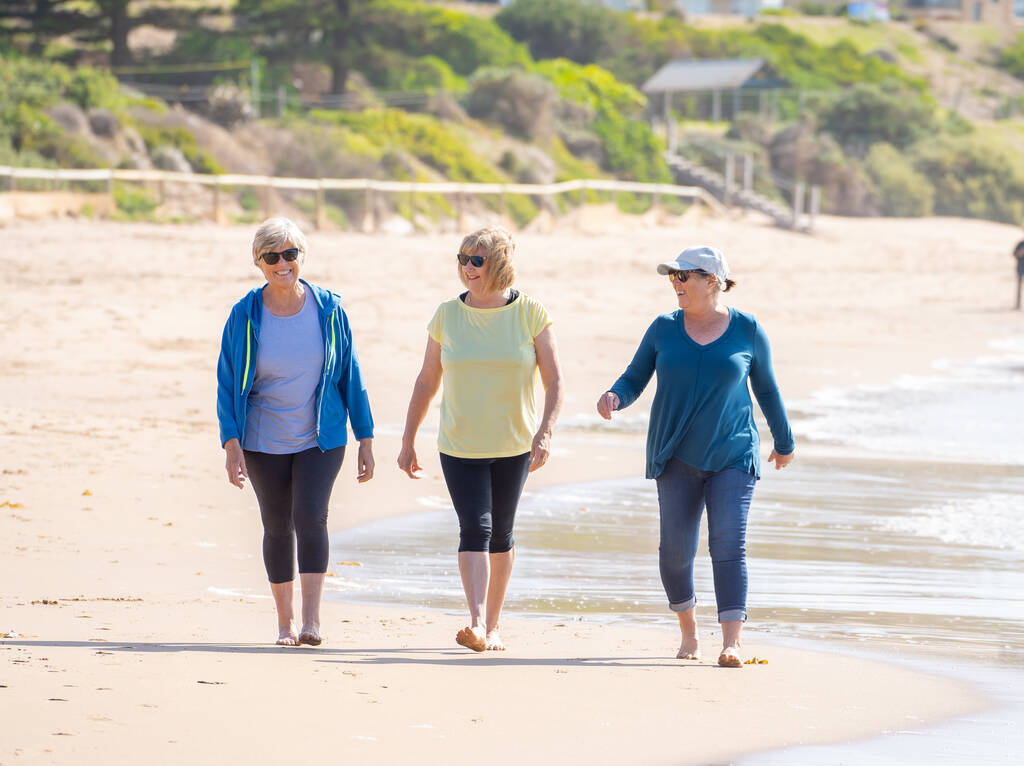
Finding someone to walk with can be a natural way to begin a friendship because you already have something to do together. Instead of sitting across from someone and feeling that you need to keep a conversation going, walking gives you a shared activity and an opportunity to talk at a comfortable pace. You might discuss your families, interests, pets, neighbourhoods or experiences, and gradually discover the things you have in common.
There is also something enjoyable about having someone who looks forward to seeing you regularly. A walking arrangement can become part of your routine, giving you an opportunity to catch up, laugh and share what has been happening in your lives. Sometimes the conversations are meaningful, while other times you may simply enjoy being outdoors together. Both are valuable.
Of course, not every walking arrangement will develop into a close friendship. You may meet someone who remains a pleasant walking companion, and that is perfectly fine. The important thing is not to put unrealistic expectations on a new connection. Allow yourself to enjoy getting to know someone without deciding immediately what the relationship should become. As my own experience showed me, a friendship can grow into something much more meaningful when you give it time.
Why Is It Sometimes Difficult to Make Friends as an Adult?
One reason making friends can become more difficult as we get older is that our daily routines often change. When we are working, raising children or participating in regular activities, we naturally encounter many of the same people. Those repeated interactions give us opportunities to talk, become familiar with one another and develop relationships. Once those routines change, meeting new people may require more effort.
Retirement, moving, separation, bereavement and family responsibilities can all affect our social connections. You may have friends who live farther away, people whose schedules no longer match yours or relationships that have gradually faded because life became busy. Sometimes there is no disagreement or falling out. People simply move into different stages of life.
It is also possible to feel lonely even when you have family members and acquaintances around you. Family relationships are important, but they are not necessarily a substitute for having a friend you can call just to chat, share a funny story with or ask to meet for coffee. Wanting friendships outside your immediate family is not selfish or unreasonable. It is a normal part of wanting connection and companionship.
Do Not Be Afraid to Make the First Move
One of the biggest challenges when meeting new people is deciding who should make the first move. You might enjoy talking to someone but hesitate to suggest getting together again because you do not want to appear overly eager or worry that the other person might not be interested. The reality is that they may be feeling just as uncertain as you are.
A simple invitation can open the door to another conversation. You could suggest going for another walk, meeting for coffee or attending something happening in your community. It does not need to be an elaborate plan. Sending a message to say that you enjoyed meeting someone and would like to get together again is often enough to let them know you are interested in continuing the connection.
Not every invitation will lead to another meeting, and that is part of making new acquaintances. People have different schedules, family responsibilities and social preferences. If someone is unable to get together, it does not automatically mean they are rejecting you. At the same time, a friendship should involve interest from both people. If you are always the one making contact or arranging plans, pay attention to whether the other person is making an effort too.
How to Turn an Acquaintance Into a Genuine Friendship
Meeting someone is only the beginning. Developing a closer friendship takes time, communication and a willingness to get to know each other beyond the circumstances in which you first met. You might begin by exchanging messages or meeting for a particular activity, but as you become more comfortable, conversations may naturally become more personal. You begin learning about each other’s families, experiences, interests and everyday lives.
Small gestures can help a friendship develop. Remembering something someone mentioned during your last conversation, asking how an appointment went or checking in when you know they have had a difficult week shows that you were listening. These little moments help build familiarity and trust. Friendships are not necessarily formed through grand gestures. Often, they grow through ordinary conversations and the feeling that someone genuinely cares about how you are doing.
It is also important to give the relationship room to develop at its own pace. You may discover that you have different personalities or opinions, and that does not mean you cannot become good friends. Healthy friendships allow both people to be themselves, share their thoughts and respect one another’s differences. Not everyone you meet will become a close friend, but some acquaintances may surprise you over time.
What If You Have Been Out of the Social Routine for Years?
If you have spent much of your adult life concentrating on raising children, caring for family members or managing work responsibilities, the thought of meeting new people may feel unfamiliar. You might wonder what you would talk about or whether others will be interested in getting to know you. It can feel particularly uncomfortable if you have not made a new friend in many years. If you find yourself questioning your confidence or feeling hesitant about putting yourself out there, you may also enjoy reading my article, How to Build Your Confidence as an Older Adult, which explores how confidence can change as we get older.
You do not have to become an outgoing person or change your personality to make new friends. Sometimes, a simple conversation in a local online group or a message to someone who shares your interests is enough to get started. As my own experience with a walking buddy showed me, you do not need to know where a new connection will lead. Give yourself the opportunity to get to know someone and let the friendship develop naturally.
Final Thoughts: It Is Never Too Late to Make a New Friend

My experience of meeting a good friend through a local Facebook group in my 50s reminded me that meaningful relationships can begin in unexpected places. What started as two people getting together for walks eventually became a friendship I truly value. It was a reminder that sometimes the best connections develop naturally when we share a little of our time with someone.
If you have been thinking about expanding your social circle, consider giving an opportunity a chance, even if it seems like a small step. You might discover that someone you initially meet through a shared interest becomes a person you look forward to hearing from and spending time with. And while not every new acquaintance will become a close friend, the possibility is worth exploring. Age does not determine when meaningful friendships can begin.