ATV Accidents Rise in 2026: Causes and Risks
9 min read
1720 words
As we enter into Summer 2026, a concerning trend has dominated local news cycles and social media feeds: a significant surge in ATV accidents. While all-terrain vehicles (ATVs) offer an exhilarating way to explore the great outdoors, this year has seen a spike in incidents that have left families and communities searching for answers. With the summer riding season at its peak, the increased visibility of these accidents on platforms like TikTok and Instagram has brought the “adventure vs. safety” debate to the forefront. Most heart breaking is many of these tragedies involve youth riders and are deemed entirely preventable. In this guide, we’ll explore why these accidents are happening and how we can work together to keep our riders safe.
Recent ATV Accident Cases Making Headlines
In the first half of 2026, several high-profile cases across the U.S. and Canada have highlighted the dangers of improper ATV use. These aren’t just isolated events; they represent a growing pattern of risk.
Teen Riders
- Recently, a 14-year-old in Pennsylvania was involved in a serious rollover while navigating a steep embankment. This incident mirrors several cases in Ontario, Canada, where young riders have lost control on uneven terrain.
- Earlier this year, a 14-year-old boy from Campbellford, Ontario, died in an ATV accident. The incident added to growing concerns about youth involvement in off-road vehicle crashes across the province.
Road-Related Collisions
- In Florida, a tragic collision occurred between an ATV and a passenger vehicle on a paved road, highlighting the dangers of operating off-road vehicles in traffic environments they are not designed for.
- A separate incident in Severn Township also turned deadly. Orillia OPP say a 26-year-old man died after an ATV crashed on Laughlin Falls Road, between Lovering Line and Taylor Line, just northeast of Coldwater.
Child Victims
Perhaps most distressing are reports of children under the age of 12 operating adult-sized machines, leading to accidents where riders may lack the physical strength, size, or judgment to maintain control in difficult conditions.
In another tragic case, a five-year-old child died after crashing an all-terrain vehicle in Renfrew County, according to Ontario Provincial Police. The incident underscores the risks associated with very young riders operating powerful equipment.
The Main Causes of ATV Accidents
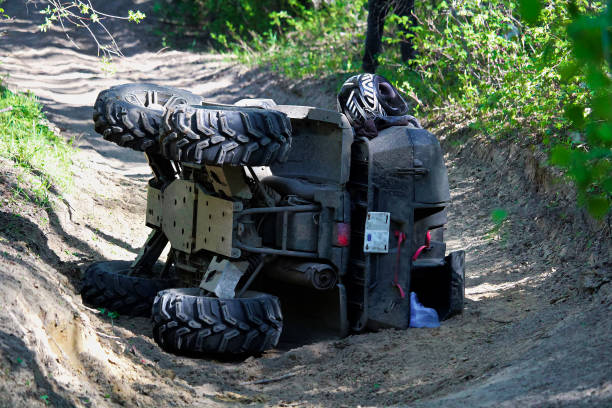
Understanding why these accidents happen is the first step toward prevention. Experts point to four primary factors:
1. Rollovers (The Leading Cause)
ATVs have a high center of gravity and a narrow wheelbase, making them prone to tipping. When a rider takes a corner too fast or encounters a hidden obstacle on a slope, the vehicle can flip. Because ATVs are heavy, a rollover often results in the rider being pinned or ejected.
2. Road Use vs. Off-Road Design
ATVs are designed for soft terrain. Their low-pressure, knobby tires do not behave predictably on pavement. When driven on public roads, they are difficult to maneuver and are often not seen by drivers of cars and trucks, leading to fatal high-speed collisions.
3. Inexperience and Youth Riders
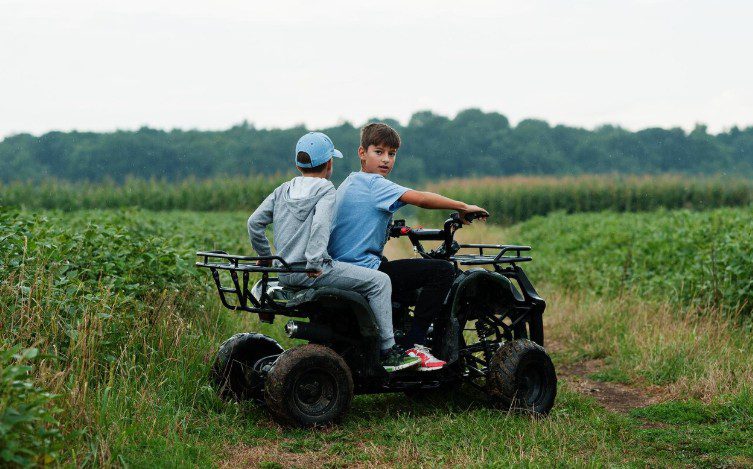
A major factor in the 2026 surge is the “oversized machine” issue. Many parents allow children to ride adult ATVs that are too powerful and heavy for them to control. Combined with a lack of formal training, this leads to poor judgment during high-speed maneuvers.
For more information on risk factors involving younger riders, see: Why Off-Road Vehicles Pose a Serious Risk to Children .
4. Lack of Protective Gear
In a high percentage of 2026’s fatal cases, the rider was not wearing a helmet. While a helmet won’t prevent a crash, it is often the deciding factor between a concussion and a fatal head injury.
Who Is Most at Risk?
Statistics show that specific groups are more vulnerable to ATV-related injuries:
- Children and Teenagers: They often lack the impulse control and physical weight to manage a large machine.
- First-Time Users: Recreational riders who rent machines on vacation without prior experience.
- Rural Residents: Those who use ATVs daily for farm work or local transport often become “too comfortable,” leading to a lapse in safety protocols.
Safety Statistics: What the Data Shows
Recent data from emergency rooms shows a sharp 15% increase in ATV-related admissions compared to last year.
- Seasonal Spikes: Roughly 70% of accidents occur between May and September.
- Injury Types: Beyond head trauma, the most common injuries involve the chest, spine, and crushed extremities.
- The Age Gap: While adults represent the majority of riders, children under 16 account for nearly 25% of all ATV-related fatalities.
Expert Warnings and Safety Recommendations
Safety advocates and manufacturers are speaking out with a clear message: ATVs are not toys. To stay safe, experts recommend:
- Never Ride on Pavement: Stay on designated off-road trails.
- Wear the Gear: Always wear a DOT-compliant helmet, goggles, long sleeves, and over-the-ankle boots.
- One Rider, One Seat: Unless the vehicle is specifically designed for a passenger, never “double up.”
- Take a Course: Organizations like the ATV Safety Institute (ASI) offer hands-on training that can save lives.
Prevention: Your Safety Checklist
Before you or your child heads out for a ride, go through this checklist:
- Helmet on? (Securely fastened)
- Right size? (Can the rider reach all controls comfortably?)
- No Passengers? (Unless it’s a 2-up vehicle)
- No Alcohol? (Impairment is a leading factor in adult crashes)
- Tire Pressure? (Check for trail readiness)
Community education programs are also becoming more available. Check with your local parks and recreation department for “Safe Rider” workshops in your area.
What to Do If You Are Injured in an ATV Accident
If you or someone else is injured in an ATV accident, quick action can make a major difference in the outcome.
1. Call Emergency Services Immediately
Dial 911 (or your local emergency number) right away, even if injuries seem minor. Some serious injuries—like internal bleeding or head trauma—may not be obvious at first.
2. Do Not Move the Injured Person Unless Necessary
If there is a risk of fire, traffic, or further danger, carefully move them. Otherwise, keep them still to avoid worsening potential spinal or neck injuries.
3. Check for Breathing and Responsiveness
If the person is unconscious or not breathing normally, begin CPR if you are trained and wait for emergency responders.
4. Control Bleeding and Stabilize Injuries
Use clean cloths or clothing to apply gentle pressure to bleeding wounds. Try to keep the injured person calm and still.
5. Document the Scene (If Safe)
If possible, take photos of the ATV, terrain, and surroundings. This may help with insurance or medical reporting later.
6. Seek Medical Attention Even for “Minor” Injuries
Concussions, internal injuries, and soft tissue damage can worsen over time. Always get checked by a medical professional after an ATV crash.
Not All ATV Accidents Are Fatal
While fatal ATV crashes often make headlines, it’s important to remember that not every accident results in death. Many riders survive serious collisions but are left with life-changing injuries.
These injuries can include broken bones, spinal cord damage, head trauma, internal injuries, and long-term mobility issues. In some cases, recovery can take months or even years, and some individuals may never fully regain their previous level of function.
This highlights an important reality: even non-fatal ATV accidents can have lasting physical, emotional, and financial impacts on riders and their families.
When to Contact a Personal Injury Lawyer
After an ATV accident, especially one involving serious injury, uncertainty about what to do next is common. In many cases, speaking with a personal injury lawyer can help you understand your options and protect your rights.
Why Legal Advice May Be Important
ATV accidents can involve complex situations, including:
- Fault or negligence (another rider, property owner, or driver)
- Insurance coverage disputes
- Medical costs and long-term care needs
- Lost wages due to recovery time
A personal injury lawyer can help review the details of the accident and determine whether compensation may be available
for medical expenses, pain and suffering, or other damages.
What a Lawyer Can Help With
- Investigating how the crash happened
- Communicating with insurance companies
- Gathering medical records and evidence
- Estimating the full cost of injuries (including future care)
- Negotiating settlements if applicable
When You Should Consider Reaching Out
- The accident resulted in significant injury or hospitalization
- A vehicle, property owner, or another rider may be responsible
- Insurance coverage is unclear or being disputed
- You are facing long-term recovery or disability
Important Note
Even if you are unsure whether you have a case, many personal injury lawyers offer free consultations,
allowing you to ask questions without upfront costs.
ATV Liability in Ontario: What Happens If You Lend Your ATV?
In Ontario, ATV owners may face potential legal and financial responsibility if they lend their vehicle to someone else and that person is injured while using it. Liability can depend on the specific circumstances of the accident, including whether the owner was negligent in allowing the ATV to be used.
When an Owner May Be Considered Responsible
While every case is different, liability may be considered if:
- The ATV was lent to someone who was untrained or inexperienced
- The rider was underage and not legally permitted to operate the vehicle
- The ATV was in unsafe or poorly maintained condition
- The owner knowingly allowed unsafe or illegal use (such as road riding where prohibited)
Insurance and Liability Considerations
In many cases, ATV insurance policies may be affected if the vehicle is lent to another rider. Some policies may limit coverage depending on who was operating the ATV at the time of the accident. This can lead to disputes over medical costs, property damage, or liability claims.
Important Reminder
ATV laws and liability rules can vary depending on the situation, insurance policy, and details of the incident. If an accident occurs, it may be helpful to seek legal advice to better understand your rights and responsibilities.
For a deeper look at ownership responsibility and insurance concerns, read our guide on ATV Accidents – Are You Liable For Damages?
Conclusion: A Preventable Safety Crisis
The surge in ATV accidents in 2026 is a sobering reminder that adventure comes with responsibility. Whether it’s a rollover on a trail or a collision on a road, the vast majority of these incidents are preventable through education, proper gear, and age-appropriate riding.
By prioritizing safety over speed and following manufacturer guidelines, we can ensure that the thrill of the ride doesn’t end in a trip to the emergency room. Let’s make the rest of 2026 a season of safe, responsible riding.