

Birth Injury: Understanding Your Child’s Diagnosis
6 min read
1010 words
Discovering that your child has experienced a birth injury can be one of the most frightening and overwhelming moments a parent will ever face. The excitement of welcoming a newborn can suddenly be replaced with fear, uncertainty, and questions about what the future may hold.
Birth injuries vary greatly. Some may improve with treatment and therapy over time, while others may result in lifelong challenges requiring ongoing medical care and support. Regardless of the type or severity of the injury, understanding your child’s condition and accessing the right resources early can make a meaningful difference in their development and quality of life.
While every child’s journey is unique, there are important steps parents can take to better understand the diagnosis, support their child’s needs, and build a strong foundation for the future.
Understanding What a Birth Injury Means
A birth injury refers to physical or neurological damage that occurs during pregnancy, labour, delivery, or shortly after birth. These injuries may happen because of complications during delivery, medical conditions, or other factors affecting the baby before or during birth.
Some examples of birth injuries include:
• Nerve injuries such as Erb’s palsy
• Brain injuries caused by reduced oxygen supply
• Fractures that occur during difficult deliveries
• Muscle weakness or movement difficulties
• Developmental delays requiring early intervention
A diagnosis can feel overwhelming, especially when parents are unfamiliar with medical terms or unsure how the injury may affect their child. Learning about the condition, asking questions, and understanding available treatments can help families feel more prepared.
The Emotional Impact on Parents and Families
A birth injury affects more than just the child. Parents may experience a wide range of emotions, including sadness, fear, anger, guilt, or uncertainty.
Many parents grieve the expectations they had for their child’s early days and may worry about future milestones, medical needs, or their child’s independence.
It is important to remember that seeking emotional support is not a sign of weakness. Caring for a child with additional needs can be challenging, and parents deserve support too.
Counselling, parent support groups, and connecting with other families who have experienced similar situations can provide comfort and reassurance.
Building the Right Medical Support Team
After a birth injury diagnosis, your child may benefit from a team of healthcare professionals who specialize in different areas of development and recovery.
Depending on your child’s needs, this team may include:
Pediatric Specialists
A pediatrician can help coordinate your child’s overall medical care and ensure important concerns are addressed.
Pediatric Neurologists
These specialists assess conditions involving the brain, nerves, and muscles and can provide insight into neurological development.
Physical Therapists
Physical therapy can help improve strength, movement, coordination, and mobility.
Occupational Therapists
Occupational therapy focuses on helping children develop everyday skills and independence.
Developmental Specialists
These professionals monitor milestones and provide guidance to support learning, communication, and development.
Having a knowledgeable team allows parents to make informed decisions and create a care plan that reflects their child’s unique needs.
Understanding Your Child’s Long-Term Needs
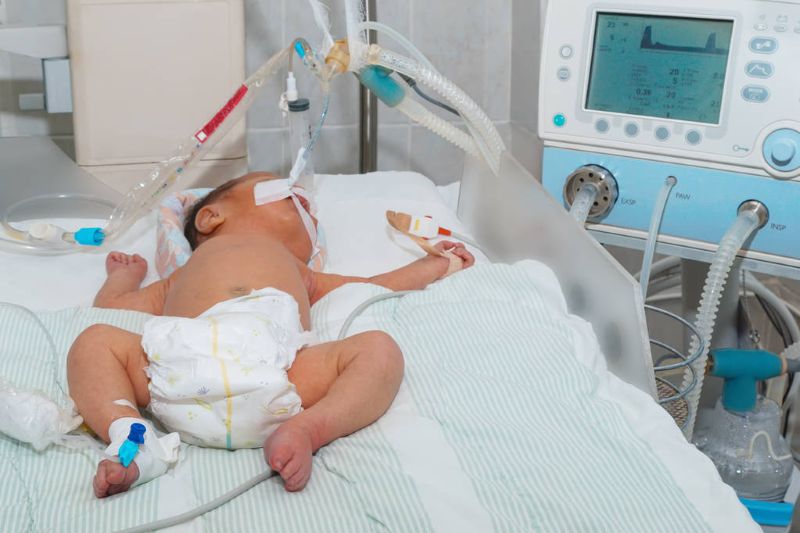
One of the biggest concerns parents have after a birth injury diagnosis is wondering what the future will look like.
The answer depends on many factors, including the type of injury, severity, early treatment, and how a child responds to therapy.
Some children may require short-term support, while others may benefit from ongoing services such as:
• Physical or occupational therapy
• Communication support
• Mobility assistance
• Educational accommodations
• Specialized medical care
Rather than focusing only on challenges, parents can also celebrate progress, milestones, and the individual strengths their child develops along the way.
Every child’s journey is different, and progress does not always happen on the same timeline.
Understanding Your Legal Options
Some families choose to explore whether medical negligence contributed to their child’s birth injury.
If there are concerns about how care was provided during pregnancy, labour, or delivery, a qualified birth injury lawyer can review medical records and explain whether legal options may be available.
Certain conditions, such as Erb’s palsy, may occur following difficult deliveries involving nerve damage. Families affected by these injuries may wish to seek professional guidance to better understand their rights and available resources.
Legal guidance is not only about accountability. In some situations, compensation may help families access therapies, equipment, and long-term support needed for their child’s care.
Becoming Your Child’s Advocate
Parents often become their child’s strongest advocate. Learning about your child’s diagnosis and actively participating in their care can help ensure their needs are recognized.
Being an advocate may include:
• Asking healthcare providers questions
• Keeping track of medical appointments and recommendations
• Understanding therapy options
• Working with schools and support services
• Speaking up when your child needs additional assistance
You know your child better than anyone. Your observations, questions, and involvement are valuable parts of their healthcare journey.
If your child has recently been diagnosed with a birth injury, knowing what steps to take next can help you feel more prepared. Our guide, 5 Steps to Take If Your Child Has a Birth Injury, provides practical information about medical care, documentation, support, and understanding your options.
Finding Hope and Support After a Birth Injury
A birth injury diagnosis can change the path a family expected, but it does not define a child’s future.
With early support, medical care, therapy, and a loving environment, many children with birth injuries continue to learn, grow, and develop meaningful relationships.
The journey may include challenges, but families do not have to face them alone. Resources, healthcare professionals, and support networks can help guide parents through each stage.
Final Thoughts
Learning that your child has experienced a birth injury can feel frightening and uncertain, but knowledge and support can help families move forward.
Understanding the diagnosis, building a trusted medical team, caring for your family’s emotional needs, and advocating for your child can create a strong foundation for the years ahead.
A birth injury may be part of your child’s story, but it does not define who they are or the possibilities ahead.







Thank you for shedding light on such an important topic. It’s crucial for parents to know the steps to take when facing a birth injury. Your insights on seeking medical advice and emotional support are invaluable.
It’s essential for parents to know they’re not alone, and your resources provide a solid foundation for seeking help.
This is a very informative piece!
Sending hugs to all the families out there going through this!