
8 min read
1496 words
Heat pumps are becoming one of the fastest-growing home upgrades in Canada. As we move through 2026, rising energy costs, significant government incentives, and improved cold-climate technology are driving unprecedented adoption rates.
Why more Canadians are installing heat pumps in 2026 comes down to three key factors: lower energy bills, increased environmental awareness, and major advances in cold-weather performance. Today’s heat pumps are more efficient and reliable than ever before, making them a practical solution for homeowners across much of the country.
If you are considering a home heating and cooling upgrade, it is essential to understand both the benefits and the limitations. While heat pumps offer incredible efficiency, they are not the perfect solution for every home.
This guide explores why homeowners are making the switch, the costs involved, available rebates, and whether a heat pump is right for your home.
What Is a Heat Pump?
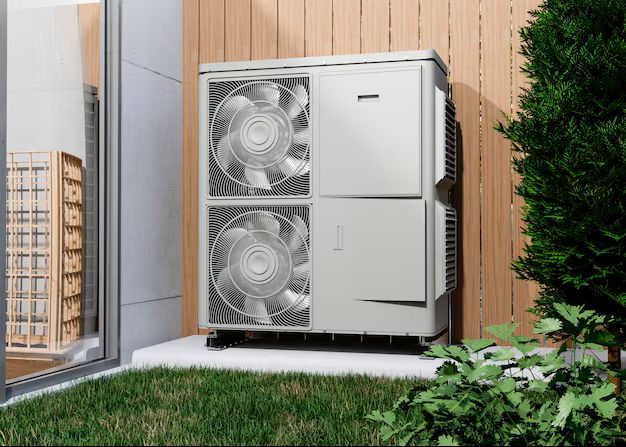
Unlike traditional furnaces that generate heat by burning fuel or using electric resistance, a heat pump simply moves heat from one place to another. In the winter, it extracts heat from the outside air (even when it’s cold) and transfers it indoors. In the summer, the process reverses, acting as an air conditioner by moving warm air outside.
There are three main types of heat pumps available in Canada:
- Air-source heat pumps: The most common type, which transfers heat between your home and the outside air.
- Ground-source (geothermal) heat pumps: These draw heat from the ground, offering high efficiency but requiring significant excavation.
- Ductless mini-split systems: Ideal for homes without ductwork, allowing for zoned heating and cooling in specific rooms.
Why Heat Pumps Are Booming in Canada
Rising Energy Costs
Canadians are facing increasing natural gas and electricity bills. Homeowners are actively seeking long-term savings and protection against volatile energy prices. Heat pumps offer a way to stabilize monthly expenses by using significantly less energy to produce the same amount of heat as traditional systems.
Improved Cold-Climate Performance
In the past, heat pumps struggled in freezing temperatures. However, modern cold-climate heat pumps are engineered specifically for Canadian winters. Advances in inverter technology allow these systems to operate efficiently at temperatures as low as -25°C, making them a viable option from coast to coast.
Growing Environmental Awareness
With Canada’s climate goals becoming more stringent, there is a growing consumer interest in greener homes. Heat pumps produce lower carbon emissions compared to oil or natural gas furnaces, helping homeowners reduce their environmental footprint without sacrificing comfort.
Government Rebates and Incentives in 2026
Federal, provincial, and utility-sponsored energy-efficiency programs continue to encourage heat pump adoption across Canada. Available incentives vary by province and program availability, but many homeowners can substantially reduce installation costs through rebates, low-interest financing programs, and energy-efficiency initiatives.
Because rebate programs frequently change, homeowners should check with their provincial government, utility provider, and licensed HVAC contractor for the most current offers before beginning a project.
How Much Can Homeowners Save?
Typical rebate amounts can range from $1,000 to over $10,000 depending on the system type and location. By combining federal and provincial incentives, many homeowners can significantly offset the upfront cost of installation.
Heat Pump Savings: What Canadians Can Expect
One of the biggest reasons more Canadians are installing heat pumps in 2026 is the potential for long-term energy savings. Compared to electric baseboard heating, oil furnaces, and propane systems, heat pumps can significantly reduce monthly utility bills because they transfer heat rather than generate it.
The exact amount homeowners save depends on several factors, including local electricity rates, the size of the home, insulation levels, and the efficiency of the heat pump itself. However, many households report noticeable reductions in heating and cooling costs after switching to a modern cold-climate heat pump.
For homeowners seeking energy-efficient home upgrades, a heat pump often delivers some of the strongest long-term returns on investment while also improving indoor comfort year-round.
How Much Does a Heat Pump Cost?
Installation Costs
- Average Price Ranges: A ductless mini-split system typically costs between $3,000 and $5,000 per unit. A central air-source heat pump system can range from $5,000 to $10,000+, while geothermal systems are significantly higher ($15,000–$40,000+).
- Factors Affecting Costs: The size of your home, the complexity of the installation, and whether existing ductwork needs modification all influence the final price.
Operating Costs
While the upfront cost is higher, operating costs are generally lower. Heat pumps are 300–400% efficient, meaning they move 3–4 units of heat for every 1 unit of electricity consumed. Maintenance expenses are comparable to traditional HVAC systems, requiring annual check-ups.
Return on Investment
The payback period for a heat pump varies but typically ranges from 5 to 10 years, depending on your previous heating source and energy rates. Long-term savings come from reduced monthly bills and the elimination of fossil fuel dependency.
Benefits of Installing a Heat Pump
- Lower Utility Bills: High efficiency translates directly to monthly savings.
- Year-Round Comfort: One system handles both heating and cooling, eliminating the need for separate air conditioners.
- Improved Indoor Air Quality: Heat pumps circulate and filter air continuously, reducing dust and allergens.
- Increased Home Value: Energy-efficient upgrades are attractive to modern homebuyers.
- Reduced Environmental Impact: Lower carbon footprint compared to oil, propane, or natural gas systems.
Potential Drawbacks to Consider
Before investing in a new system, consider reading our guide to The Pros and Cons of Heat Pumps for a more detailed look at the advantages, limitations, maintenance requirements, and long-term costs associated with heat pump ownership.
While heat pumps offer many advantages, they are not the perfect solution for every home. Before investing in a new system, consider reading our guide to The Pros and Cons of Heat Pumps for a more detailed look at the advantages, limitations, maintenance requirements, and long-term costs associated with heat pump ownership.
Upfront Installation Costs
The initial investment is higher than a standard furnace.
Electrical Upgrades
Older homes may require electrical panel upgrades to support the new system.
Performance Differences
While modern units are excellent, extreme cold snaps may require a backup heat source in some regions.
Finding Qualified Installers
The demand for heat pumps has outpaced the supply of certified technicians in some areas, making it crucial to book early.
Are Heat Pumps Worth It in Canada?
For many homeowners, the answer is yes. Modern heat pumps provide efficient heating and cooling in a single system, reduce energy consumption, and may qualify for valuable rebates. However, the overall value depends on your home’s insulation, climate, current heating system, and installation costs.
Best candidates for heat pumps:
- Homes currently using electric baseboards, oil, or propane.
- Homes with existing ductwork (or those suitable for ductless mini-splits).
- Homeowners looking to add air conditioning.
Situations where another heating system may be more practical:
- Homes in extremely remote northern locations with limited access to qualified service technicians.
- Homes with poor insulation that would require massive electrical upgrades to heat efficiently.
Heat Pump vs. Furnace: Which Is Better?
| Feature | Heat Pump | Gas Furnace |
|---|---|---|
| Energy Efficiency | Higher (300-400%) | Moderate (90-98%) |
| Cooling Capability | Yes (built-in) | No (requires separate AC) |
| Carbon Emissions | Lower | Higher |
| Upfront Cost | Higher | Lower |
| Long-Term Savings | Higher | Lower |
Frequently Asked Questions About Heat Pumps in Canada
Do Heat Pumps Save Money in Canada?
Heat pumps can significantly reduce heating costs, especially for homes currently using oil, propane, or electric baseboard heating. Actual savings depend on electricity rates, local climate conditions, the efficiency of the system installed, and how well insulated the home is.
What Is the Downside of a Heat Pump?
The primary disadvantages are higher upfront installation costs and reduced efficiency during periods of extreme cold. While modern cold-climate heat pumps perform exceptionally well in Canadian winters, some homeowners may still require a supplemental heating source during the coldest days of the year.
Are Heat Pumps Better Than Electric Baseboard Heaters?
In most cases, yes. Heat pumps are substantially more energy-efficient than electric baseboard heaters because they transfer heat rather than generate it. This can result in significantly lower energy consumption and utility bills.
Can a Heat Pump Increase Home Value?
Many buyers view energy-efficient upgrades as a major selling feature. A professionally installed heat pump can make a home more attractive to potential buyers by reducing future heating and cooling costs.
Conclusion
Heat pumps have moved from a niche technology to one of the most popular energy-efficient home upgrades in Canada. Thanks to lower operating costs, reduced carbon emissions, improved cold-climate performance, and attractive rebate programs, more homeowners are making the switch than ever before.
While they are not the right fit for every property, modern heat pumps offer an efficient heating and cooling solution for many Canadian households. As energy prices continue to rise, investing in a heat pump can provide both immediate comfort and long-term savings.
Before making a decision, compare installation costs, available rebates, and your home’s heating needs. Consulting a qualified HVAC professional can help determine whether a heat pump is the best investment for your property. With energy prices remaining a concern for many households, it’s easy to see why more Canadians are installing heat pumps in 2026.
 Carly
Carly  Kayla Baptiste
  Christy Jernigan