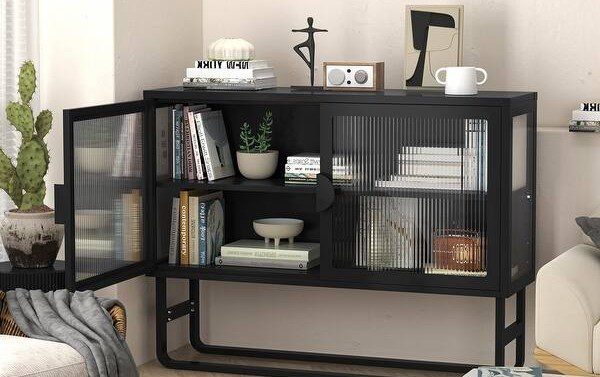
Why Fluted Glass Cabinets Are Taking Over Interior Design
4 min read
601 words
What Is a Fluted Glass Cabinet
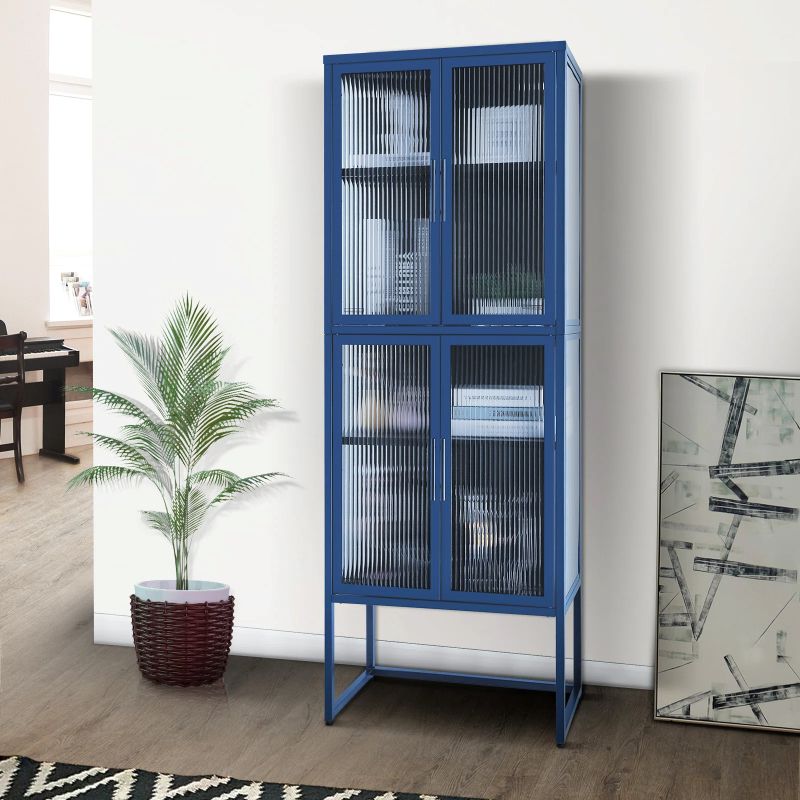
Fluted glass also called ribbed or reeded glass features vertical grooves pressed into the surface of the pane. Unlike clear glass which reveals everything or frosted glass which fully obscures it fluted glass creates a soft diffused blur.
It conceals contents while still allowing light and depth to pass through giving cabinetry a lighter more architectural feel without full transparency.
Why It Is Trending
Designers are embracing fluted glass for both aesthetic and practical reasons.
Texture without clutter
It introduces subtle visual interest while maintaining a clean minimal look.
The hidden mess effect
Cabinet contents are softened and obscured allowing everyday items to feel curated rather than chaotic.
Light diffusion
The vertical ridges refract light creating a gentle glow that adds depth and atmosphere to a room.
Versatility
It works seamlessly across design styles from Japandi and Scandinavian interiors to industrial and contemporary spaces.
Best Places to Use Fluted Glass
Kitchen upper cabinets
Lightens the visual weight of wall cabinetry and creates an airy feel.
Bathroom storage
Creates a calm spa like atmosphere for vanities and linen cabinets.
Living room units
Conceals electronics and clutter while maintaining openness.
Home bar cabinets
Adds a subtle luxury effect by partially revealing glassware silhouettes.
Bedroom wardrobes
Brings a boutique hotel aesthetic to clothing storage.
Styling by Aesthetic
Modern Minimalist
Pair with matte white or neutral frames for a clean sculptural finish.
Japandi and Scandinavian
Combine with natural oak or walnut for warmth and organic balance.
Industrial Modern
Use black metal framing for contrast and structure.
Luxury Contemporary
Add brass or gold accents for a refined high end look.
Pros and Cons
| Feature | Fluted Glass | Clear Glass |
|---|---|---|
| Visibility | Blurred diffused | Fully transparent |
| Maintenance | Requires groove cleaning | Requires streak polishing |
| Style Impact | High texture presence | Minimal neutral |
| Privacy | High | None |
Maintenance Tip
Because dust can settle within the grooves use a soft bristled vacuum attachment or a microfiber duster for regular cleaning to keep the texture crisp and streak free.
Other Considerations
Cost
Fluted glass typically comes at a higher price point than standard flat glass due to manufacturing complexity.
Display limitation
If you want to showcase detailed objects the distortion may reduce visibility and clarity.
Styling Tips for Success
Integrate lighting
Warm internal LED lighting enhances the ridged texture and turns cabinetry into a glowing architectural feature.
Curate contents
Stick to cohesive color palettes inside cabinets so silhouettes appear intentional rather than mismatched.
Mix materials
Balance fluted glass with solid doors or open shelving to avoid visual monotony.
Create feature moments
Use floor to ceiling installations to build a textured focal point within the room.
Final Thoughts
Fluted glass cabinets represent a shift toward soft minimalism a design language focused on warmth texture and understated elegance. Rather than eliminating detail this approach refines it.
Whether used in a small bar cabinet or a full kitchen redesign fluted glass adds depth and atmosphere without overwhelming a space.
The result is interiors that feel lighter more curated and distinctly modern without ever feeling flat.