Wood vs. Vinyl Fencing: Which Is Better for Your Yard?
11 min read
2175 words
Choosing a new fence for your backyard involves more than deciding what looks attractive. You want something that complements your home, provides the privacy you need and holds up to years of changing weather. Wood and vinyl are two popular residential fencing options, but they differ in cost, maintenance, appearance and long-term value.
If you are replacing an old fence or planning your first installation, it is worth considering how you use your yard and how much time you want to spend maintaining it. A fence that looks beautiful when first installed may require more attention than you expected, while a low-maintenance option might cost more initially.
Neither wood nor vinyl is automatically the better choice for every property. The right decision depends on your budget, personal preferences and expectations. Here is what to consider before choosing between the two.
Wood Fencing: A Traditional Choice

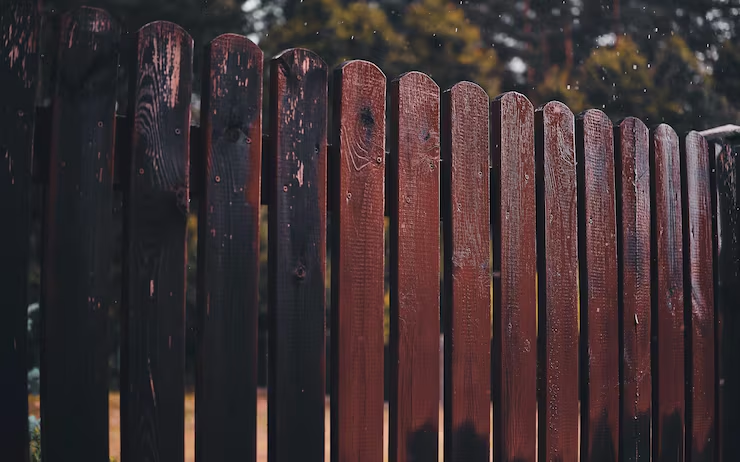
Wood fencing has remained popular because of its natural appearance and versatility. It works with many styles of homes, from traditional properties to more contemporary backyards. Whether you prefer a classic picket fence, a tall privacy fence or horizontal boards, wood offers plenty of design possibilities.
One of its biggest advantages is customization. Homeowners can choose different board arrangements, heights and finishes to create a fence that complements their property. Wood can be stained to highlight its natural grain or painted to coordinate with the home’s exterior. If you decide to change the appearance of your backyard later, you can also update the finish.
Pressure-treated lumber is a common choice for residential fencing because it has been treated to help protect against decay and insect damage. Cedar is another option, appreciated for its natural appearance and resistance to certain forms of deterioration. Cedar generally costs more than basic pressure-treated lumber, so the choice often comes down to budget and the look you prefer.
Wood is also relatively easy to repair. If a board becomes damaged, it can often be replaced individually without removing an entire section. This is helpful in busy backyards where lawn equipment, falling branches or everyday activity may occasionally cause damage.
The main disadvantage is maintenance. Rain, snow, sunlight and changing temperatures gradually affect wood. Boards can fade, split, warp or show signs of decay, particularly when moisture collects around the bottom of the fence. Staining or sealing helps protect the surface, but the finish eventually needs attention again.
For homeowners who appreciate the natural look of wood and do not mind occasional upkeep, it can be an attractive and practical choice. However, if you would rather spend your weekends enjoying your yard than maintaining it, the ongoing work may become frustrating.
Vinyl Fencing: A Low-Maintenance Alternative
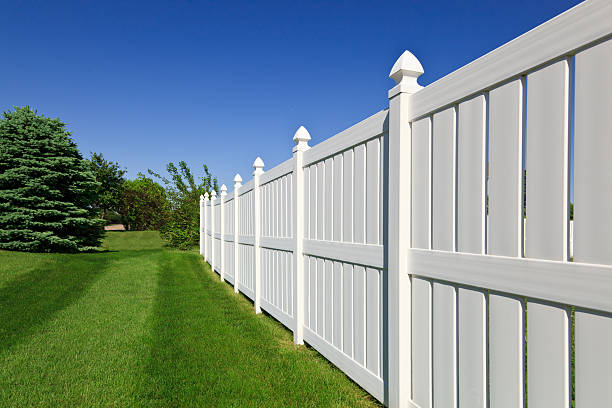
Vinyl fencing appeals to homeowners who want a neat, consistent appearance without the regular staining and sealing associated with wood. It is available in several styles, including privacy panels, picket designs and decorative fencing.
Its biggest advantage is the relatively low level of maintenance required. Vinyl does not need to be painted, stained or sealed, and it will not rot like wood. Most routine cleaning can be done with water and mild soap when needed. For busy homeowners, avoiding repeated maintenance can be a significant benefit.
Vinyl is also resistant to moisture and insects. It does not absorb water in the same way wood does, and termites will not damage the fencing material. However, that does not mean vinyl is completely immune to weather or everyday wear.
Canadian winters are worth considering. Vinyl can become less flexible in very cold temperatures, and a hard impact from lawn equipment, a snowblower or a falling branch may crack a panel. Repairs can sometimes be more complicated than replacing an individual wood board, particularly if the original style or colour is no longer available.
The initial installation cost is generally higher than that of a comparable basic wood fence. However, homeowners who plan to stay in their property for many years may appreciate the reduced maintenance requirements. Paying more upfront can make sense if avoiding repeated staining, sealing and board replacement is a priority.
Appearance is another consideration. Some homeowners like vinyl’s clean lines and uniform finish, while others feel it lacks the warmth and natural character of real wood. Before choosing a style, look at photographs of completed installations or ask to see a larger sample. A small piece in a store may look quite different from an entire fence surrounding a backyard.
Wood vs. Vinyl: Cost, Maintenance and Durability
When comparing wood and vinyl, it helps to look beyond the initial installation price.
Cost: Wood is generally less expensive to install, particularly when using a straightforward pressure-treated design. Vinyl usually costs more to purchase and install. The final price for either option depends on the fence’s length, height, design, materials and labour.
Maintenance: Wood requires periodic attention, which may include cleaning, staining, sealing and replacing damaged boards. Vinyl requires less routine maintenance, although it still needs occasional cleaning and inspection.
Appearance: Wood offers natural texture and can be painted or stained in different colours. Vinyl provides a more consistent finish and is available in several styles. Your home’s exterior and personal taste will help determine which looks better.
Durability: Both materials can provide years of service when properly selected and installed. Wood can deteriorate through moisture exposure, insects and weathering. Vinyl can crack or become damaged through impact. Material quality and installation play an important role in how well either fence holds up.
Repairs: Individual wood boards are usually straightforward to replace. Vinyl repairs may require replacing an entire panel or finding a matching component. Before purchasing vinyl, ask whether replacement parts will be available if a section becomes damaged.
Privacy: Both materials can provide excellent privacy. A solid wood privacy fence or vinyl panel fence can help block views into your yard. The design and spacing of the boards or panels matter more than the material itself.
Which Fence Is Better for Canadian Weather?
For homeowners in Ontario and other parts of Canada, weather should be part of the decision. Fences are exposed to rain, snow, freezing temperatures, summer heat and repeated freeze-thaw cycles. These conditions affect wood and vinyl in different ways.
Wood can absorb moisture, and repeated exposure to rain and snow may contribute to swelling, splitting, warping and decay. The sections closest to the ground deserve particular attention because moisture can collect there. Choosing suitable materials, allowing for proper drainage and maintaining the finish can help reduce these problems.
Vinyl does not absorb moisture in the same way and will not rot. However, it can become more brittle in very cold conditions, making it vulnerable to cracking if struck. Homeowners should take care when clearing snow around their fences and avoid leaning heavy equipment against panels.
The supporting structure matters just as much as the fencing material. Posts, footings, fasteners and installation methods all contribute to stability. A beautiful fence can still lean or loosen if the posts are not properly installed. Ask your contractor how the posts will be secured and how the design will accommodate the ground conditions in your yard.
What Should Pet Owners Consider?
For families with dogs or other pets, a fence can make the backyard more practical and enjoyable. Both wood and vinyl can work well, but the design should reflect how your pet behaves.
Pay attention to the gaps between boards, the height of the fence and the space underneath it. A dog that likes to dig may find a way under a fence that has not been properly secured along the bottom. A dog that jumps or climbs may need a taller design without convenient footholds.
Wood can be easier to modify if a particular section needs reinforcement. Vinyl provides a smooth, enclosed surface, although damaged panels should be repaired promptly so pets cannot push through an opening.
Gates are equally important. Make sure they close securely and that the latches are suitable for your household. The right fence can help create a more secure outdoor space, but its effectiveness depends on the design, installation and condition of the entire enclosure.
Which Fence Offers Better Long-Term Value?
It is tempting to compare wood and vinyl by looking only at the installation quote, but that does not tell the whole story. A less expensive fence may require more maintenance over the years, while a higher-priced option may save time and upkeep.
With wood, consider the cost of stain or sealant, the time involved in maintaining the finish and the possibility of replacing boards as the fence ages. How much attention it needs will depend on the type of lumber, the quality of installation and the amount of sunlight and moisture it receives.
With vinyl, the initial investment is usually greater, but ongoing maintenance is generally simpler. Homeowners should still consider the possibility of panel damage and whether matching replacement parts will be available in the future.
How long you expect to stay in your home can also influence the decision. If you plan to enjoy your property for many years, spending more upfront on a material that suits your lifestyle may be worthwhile. If you are working with a tighter budget, a well-built wood fence may provide the privacy and appearance you want without the higher initial expense of vinyl.
When comparing contractor quotes, make sure you are looking at similar specifications. A basic pressure-treated wood fence should not be compared directly with a premium vinyl privacy system without considering differences in height, construction, materials and gates. Ask for a written breakdown so you understand exactly what is included.
Check Property Lines and Local Fence Rules
Before ordering materials or hiring an installer, confirm where your fence can be placed and what local requirements apply. This is especially important if the proposed fence will run along a shared boundary with a neighbour.
In Ontario, municipal fence by-laws can regulate matters such as fence height, placement and construction. Requirements may differ between municipalities, and additional rules can apply to front yards, corner lots and swimming pools. Do not assume that a fence design permitted in one community will automatically be allowed in another.
It is also important not to assume that an existing fence marks the exact property line. If you are uncertain about the boundary, review your property documents and consider obtaining advice from an Ontario land surveyor before construction begins. A disagreement about fence placement can become expensive and stressful if discovered after the work is complete.
For more information, read Property Line Dispute: Fence Law and Survey Rights. It explains why understanding property boundaries and survey rights matters, particularly when replacing a shared fence or building close to a neighbour’s property.
Taking time to check the rules and confirm the boundary before work begins can help prevent misunderstandings and costly changes later.
Questions to Ask Before Hiring a Fence Installer
Once you have decided which material you prefer, choosing the right installer is the next step. A good fence should look attractive, but it should also be properly supported and suited to your yard.
Ask contractors about their experience installing the material you have chosen. Find out what type of posts and fasteners they use, how they handle uneven ground and whether the quote includes removing and disposing of an existing fence. If your yard slopes, ask how the design will follow the grade.
You should also ask about warranties. Find out what is covered, how long the coverage lasts and whether it applies to materials, workmanship or both. A manufacturer’s warranty on vinyl panels, for example, may not cover installation problems or damage caused by impact.
Request more than one written estimate and compare the details rather than simply choosing the lowest price. Make sure each contractor understands the desired fence height, style, number of gates and approximate length. Ask whether unexpected site conditions could result in additional charges.
So, Should You Choose Wood or Vinyl?
There is no single answer that will suit every homeowner. Wood may be the better choice if you appreciate its natural appearance, want flexibility in design, prefer a lower initial investment and do not mind occasional maintenance. It is a practical option for homeowners who like being able to customize or repair individual sections.
Vinyl may be the better choice if you want a consistent appearance, prefer minimal upkeep and are comfortable paying more at the beginning. It can be particularly appealing if you do not want to spend time staining or sealing a fence.
Before making your final decision, consider your budget, the style of your home, how much privacy you need and how much maintenance you are realistically willing to do. Look at examples of both materials in finished yards, ask for samples and compare detailed installation quotes.
A fence should make your outdoor space more enjoyable, not become a source of ongoing frustration. Whether you choose the warmth of wood or the convenience of vinyl, taking the time to plan properly will help you choose a fence that suits your property and your lifestyle for years to come.