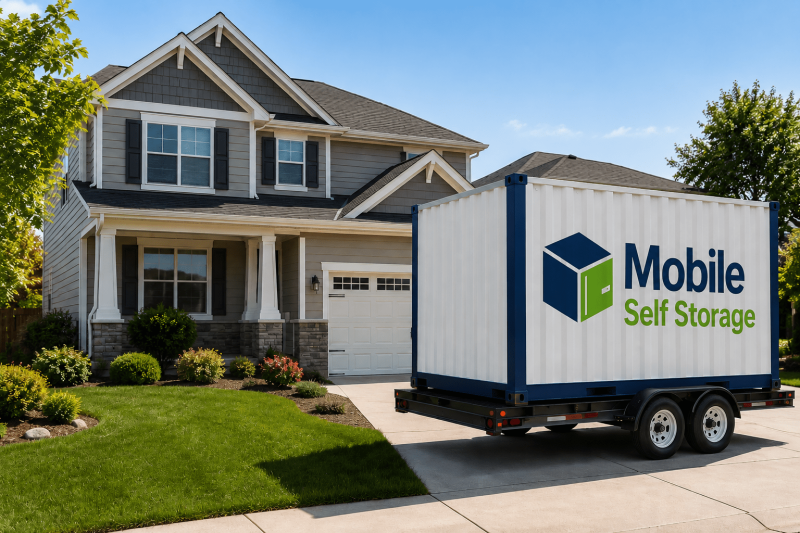
Portable Storage Containers vs Traditional Storage
6 min read
1156 words
Finding extra space for your belongings can become a challenge when you’re moving, renovating your home, or simply trying to clear out some clutter. Two common options are portable storage containers and traditional self storage units.
Both can give you a safe place to keep your belongings, but the experience is quite different. With portable storage, the container comes to you. With traditional storage, you take your belongings to a storage facility.
The right choice depends on how long you need storage, how often you need access to your belongings, how much space you have and what you’re willing to spend.
1. What Is Portable Storage?
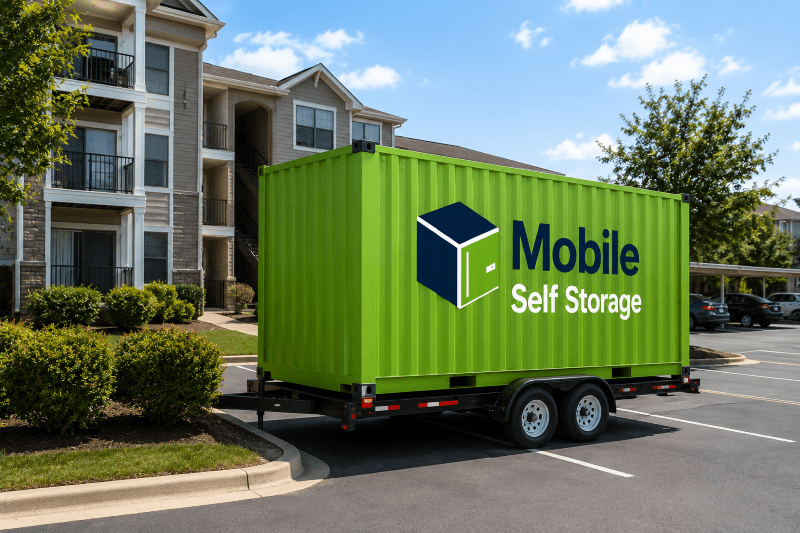
Portable storage containers are delivered directly to your home, allowing you to load your belongings at your own pace. Learn more about how mobile self-storage containers work and what to consider when choosing a rental service. Once you’re finished loading, the company picks up the container and either transports it to your new home or stores it at a secure facility until you need it.
Advantages
• Convenient because the container comes to you
• You can pack over several days or weeks
• Useful during moves and renovations
• Your belongings don’t need to be moved between your home and a storage unit
Disadvantages
• You need enough space for the container
• Local rules or neighbourhood restrictions may apply
• Delivery and transportation fees can increase the overall cost
• Access may be limited if the container is stored at another facility
2. What Is Traditional Self Storage?

Traditional self storage means renting a storage unit at a dedicated facility. You transport your belongings to the facility and place them inside your unit.
Storage facilities usually offer several unit sizes, from small spaces for boxes and seasonal belongings to larger units that can hold furniture and the contents of an entire home.
Some facilities also offer climate controlled units, which may be useful for belongings that can be damaged by temperature changes or moisture.
Advantages
• Many different unit sizes are available
• Convenient for people who need regular access
• Climate controlled options are available at some facilities
• Security features may include cameras, gated entrances and individual locks
• Can be practical for long term storage
Disadvantages
• You have to transport your belongings to the facility
• Moving large or heavy items can be difficult
• You need to travel to the facility whenever you need something
• Additional costs may apply for insurance or other services
3. Portable Storage vs Traditional Storage
The biggest difference is convenience.
With portable storage, the storage space comes to your property. With traditional storage, you take your belongings to the storage facility.
| Feature | Portable Storage | Traditional Storage |
|---|---|---|
| Loading | At your home | At the facility |
| Transportation | Usually handled by the provider | Usually handled by you |
| Convenience | High | Moderate |
| Access | Depends on where the container is stored | Usually easier |
| Climate control | Not always available | Available at some facilities |
| Space needed at home | Yes | No |
| Long term storage | Available | Common |
| Moving | Very convenient | Requires additional transportation |
Prices and services vary, so it’s important to compare the complete cost rather than simply looking at the advertised monthly rate.
4. Which Is Better for Moving?
Portable storage can be especially convenient when you’re moving between homes.
Instead of renting a truck for a single day, you can usually load the container over a longer period. Once you’re finished, the provider can transport it to your new home or a storage facility.
This can also help when closing dates don’t line up. If you have to leave your current home before the new one is ready, your belongings can remain in storage until you’re ready to move in.
For long distance moves, portable storage can also mean you don’t have to drive a large rental truck yourself.
5. Which Is Better for Home Renovations?
Renovations can create a surprising amount of clutter. Furniture, decorations and other belongings may need to be moved out of the way while contractors work.
A portable storage container can keep those items close to home while freeing up the rooms being renovated.
For example, during a kitchen renovation, you could move furniture and household items into the container rather than filling another room with boxes.
Traditional storage can also work well, particularly if the renovation will last for several months or you don’t have room for a container on your property.
6. Which Is Better for Downsizing?
Downsizing can be difficult, especially after living in the same home for many years.
A storage unit can give you some extra time to decide what you want to keep, sell, donate or pass along to family members.
Portable storage can be useful when you’re sorting through belongings at home. Traditional storage may make more sense if you need a longer term solution for furniture, seasonal items or family keepsakes.
If you’re helping an older parent move into a smaller home or retirement residence, either option can give the family more time to sort through belongings without having to make every decision immediately.
7. How Much Does Storage Cost?
The price of storage depends on several factors, so it’s worth getting a complete quote before making a decision.
For portable storage, ask about:
• Monthly rental charges
• Delivery fees
• Pickup fees
• Transportation costs
• Storage facility fees
• Insurance
• Additional services
For traditional storage, consider:
• Monthly rental
• Unit size
• Climate control
• Insurance
• Administration fees
• Lock costs
• Moving truck or transportation costs
A storage unit that looks less expensive at first may not be the cheapest option once transportation and other expenses are included.
8. Questions to Ask Before Renting
Before signing a storage agreement, ask:
- What will the total cost be?
- Are delivery or pickup fees included?
- Is insurance required?
- How secure are the storage area and facility?
- How often can I access my belongings?
- Are there restrictions on what I can store?
- Is the rental month to month?
- What happens if I need to cancel early?
- Is climate controlled storage available?
- Are there additional administrative or service fees?
9. Which Storage Option Is Right for You?
Portable storage may be the better choice if you’re moving, renovating, downsizing or want to load your belongings at home over several days.
Traditional storage may be a better fit if you need frequent access, want climate controlled storage or plan to keep your belongings stored for a long period.
Your available space also matters. If you don’t have a suitable driveway or property for a container, a traditional storage facility may be the easier option.
10. Final Thoughts
Portable storage containers and traditional storage units can both solve the problem of having too many belongings and not enough space.
Portable storage focuses on convenience and can be particularly useful for moving and renovations. Traditional storage offers more permanent facilities and can be a practical choice for long term storage or frequent access.
Before choosing, compare the total price, access options, security, storage conditions and contract terms. The cheapest advertised rate isn’t necessarily the cheapest option once all of the costs are added together.