Climate-Controlled Storage: Is It Worth Paying More?
8 min read
1575 words
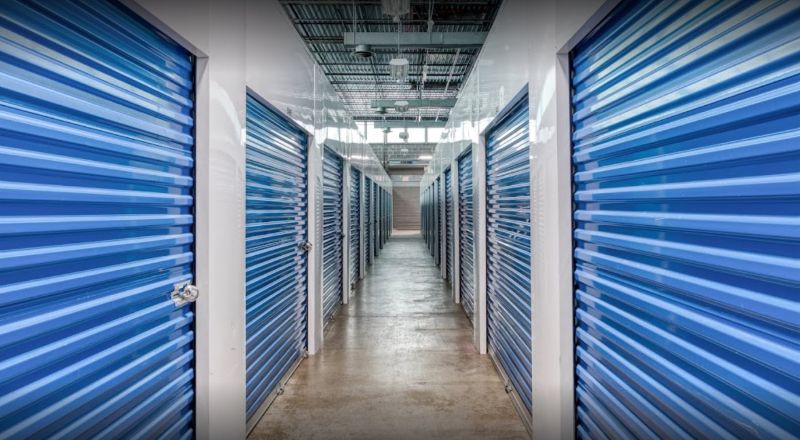
Moving, renovating, or simply trying to clear some space in your home can leave you facing a question you may not have expected: where are you going to put everything? Climate controlled storage can be a great option when you want to protect your belongings from temperature and humidity changes.
That is when renting a storage unit starts to look appealing. But once you begin comparing facilities, you may notice that climate controlled units can cost considerably more than standard storage.
So, is the extra money actually worth it?
In many cases, yes. If you are storing furniture, electronics, family photographs, important documents, or belongings that would be difficult or expensive to replace, climate controlled storage can provide valuable protection. But if you are simply storing patio furniture, tools, or plastic bins, you may not need to spend the extra money.
Here is what you should know before deciding whether climate controlled storage is right for you.
What Is Climate Controlled Storage?

Think of a standard storage unit as being similar to a garage. It keeps your belongings protected from rain and direct exposure to the elements, but the temperature inside can rise and fall with the weather outside.
Climate controlled storage is designed to provide a more stable indoor environment. Depending on the facility, this may include heating, air conditioning, ventilation, and humidity management.
That added protection can be especially helpful during extreme heat, cold, or periods of high humidity.
It is important to ask exactly what a facility means by “climate controlled,” though. Not every facility actively regulates humidity, and temperature ranges can vary.
What Should You Store in Climate Control?
This is where climate controlled storage can really make a difference. If you are putting away something valuable, delicate, or sentimental, you probably do not want to discover months later that it has been damaged by moisture or temperature changes.
Wood and Leather Furniture
Wood can expand, contract, warp, or crack when exposed to significant changes in temperature and humidity. Leather can also dry out and crack or develop mildew when stored in damp conditions.
If you are storing a favourite leather sofa, antique dresser, dining room set, or family heirloom, paying a little more for additional protection may be worthwhile.
Electronics
Televisions, computers, gaming consoles, cameras, and other electronics can be vulnerable to moisture and condensation.
If you have spent hundreds or thousands of dollars on electronics, protecting them from extreme temperature changes and humidity makes sense.
Documents and Photos
Old family photographs, important documents, books, and other paper items are particularly vulnerable to moisture.
If you are storing boxes of family memories, you probably want to be especially careful about where they end up. A climate controlled unit can provide a more stable environment than a basic storage unit.
Clothing and Fabrics
Seasonal clothing, bedding, wedding dresses, leather clothing, and other fabrics can be affected by moisture, mildew, and temperature fluctuations.
Proper packing still matters, but climate control can provide another layer of protection.
Musical Instruments
Wooden musical instruments can be sensitive to changes in humidity and temperature. Guitars, violins, pianos, and other instruments may benefit from a more stable environment.
If the instrument has significant financial or sentimental value, climate controlled storage is worth considering.
Collectibles
Books, artwork, photographs, vinyl records, antiques, and other collectibles can deteriorate when exposed to unsuitable conditions.
The more difficult an item would be to replace, the more seriously you should consider climate controlled storage.
What Does Not Usually Need Climate Control?
Not everything you own needs to be stored in a temperature controlled environment.
If you are storing durable items that are already designed to handle outdoor or garage conditions, standard storage may be perfectly adequate.
These might include:
- Metal tools and equipment
- Outdoor furniture
- Plastic storage bins
- Garden supplies
- Lawn equipment
You should still prepare these items properly. For example, clean and dry metal tools before storing them and follow the manufacturer’s instructions when preparing gas powered equipment for storage.
Is Climate Controlled Storage Worth the Extra Cost?
This is really the question most people want answered.
There is no single answer because it depends on what you are storing, how long you plan to store it, and the conditions where you live.
If you’re still deciding between bringing a storage container to your home or renting a traditional unit, our guide to Portable Storage Containers vs. Traditional Storage breaks down the pros, cons, costs, and best uses of each option.
How Long Will You Store Your Belongings?
If you are storing your belongings for a few weeks while moving, standard storage may be enough for many household items.
If you are storing things for six months, a year, or longer, the additional protection offered by climate control becomes more appealing.
What Are You Storing?
Look at the items you are putting into storage and ask yourself how you would feel if they were damaged.
A few inexpensive plastic bins may not justify the additional monthly cost. Your grandmother’s antique dresser or your family’s photo albums may be a different story.
What Is the Weather Like Where You Live?
Climate matters. Areas that experience very hot summers, freezing winters, or high humidity can expose belongings to greater temperature and moisture fluctuations.
For Canadians, winter temperatures are an important consideration. A storage unit that becomes extremely cold may not be the best environment for certain furniture, electronics, photographs, or other sensitive belongings.
How Much Would It Cost to Replace the Items?
This is perhaps the easiest way to think about the decision.
If climate controlled storage costs an extra $30 or $50 a month, ask yourself whether that additional cost is reasonable compared with the value of what you are storing.
Protecting a $2,000 sofa, expensive electronics, or irreplaceable family belongings can make the additional monthly expense seem much more reasonable.
Standard vs. Climate Controlled Storage
| Feature | Standard Storage | Climate Controlled Storage |
|---|---|---|
| Cost | Usually less expensive | Usually costs more |
| Temperature | Changes with outdoor conditions | More stable |
| Humidity | Usually not controlled | May be controlled, depending on facility |
| Best for | Tools, outdoor items, plastic bins | Furniture, electronics, documents, collectibles |
| Long term storage | Depends on the items | Often better for sensitive belongings |
Tips for Choosing a Storage Facility
Once you decide that climate control is right for you, do not simply choose the first facility advertising it.
Ask what their climate control actually includes.
Ask About Temperature and Humidity
Find out whether the facility controls humidity as well as temperature. The term “climate controlled” can mean different things from one facility to another.
Check Security
Look for features such as gated access, security cameras, good lighting, and individual unit alarms.
You want your belongings protected from more than just the weather.
Look Around
When you visit a facility, pay attention to its overall condition.
Is it clean? Do you see signs of water damage? Does the building smell damp? Are there signs of rodents or other pests?
Trust your instincts. If the facility does not look well maintained, keep looking.
Check Your Insurance
Before purchasing additional insurance, check your existing homeowners or renters policy. Some policies may provide coverage for belongings stored away from your home, although limits and exclusions can apply.
Preparing Your Belongings for Storage
Climate control is helpful, but it cannot make up for poor packing.
Before putting your belongings into storage, clean and completely dry everything. Any moisture trapped inside boxes, containers, or furniture can create problems later.
For furniture, consider breathable protective covers rather than tightly wrapping everything in plastic.
Use sturdy boxes for books and documents, and consider acid free materials for photographs and other items that need long term protection.
Do not pack your unit so tightly that there is no room to move around. Leaving some space between items can also make it easier to access your belongings later.
Frequently Asked Questions
Is climate controlled storage worth it?
It can be, especially when you are storing furniture, electronics, documents, photographs, collectibles, or other belongings that are sensitive to temperature and humidity.
Does climate controlled storage prevent mold?
It can reduce the risk of mold by providing a more stable environment, particularly when humidity is actively controlled. However, it does not guarantee that mold will never develop. Always store belongings clean and completely dry.
Do furniture and electronics need climate control?
They can benefit from it, particularly when they will be stored for several months or longer. Wood, leather, upholstered furniture, and electronics can be more vulnerable to temperature and moisture fluctuations.
Is climate controlled storage better for long term storage?
For sensitive belongings, generally yes. The longer your items remain in storage, the more important stable environmental conditions can become.
Final Thoughts
Climate controlled storage is not something everyone needs. If you are simply looking for a place to keep lawn equipment, outdoor furniture, tools, or plastic storage bins, a standard unit may save you money without creating unnecessary concern.
But if you are storing belongings that you have spent years collecting, items that would be expensive to replace, or things that have sentimental value, the extra cost can be easier to justify.
Before choosing a unit, think about what you are storing, how long it will be there, and how much it would cost to replace those belongings if something went wrong.
Sometimes spending a little more each month is worth it for the peace of mind of knowing your belongings are being stored in a more stable environment.