

What to Do When Your Child Is Sick: A Parent’s Guide
8 min read
1565 words
When your child wakes up with a fever, complains of a sore throat, or seems unusually tired, the instinct to worry is natural. Parents often find themselves uncertain about whether to call a doctor, administer home remedies, or simply observe and wait. Having a sick child can be stressful, especially when symptoms appear suddenly or develop outside regular office hours. The challenge lies in knowing when a symptom is routine and manageable at home versus when professional medical attention is truly necessary. Understanding what to watch for, how to keep your child comfortable, and where to seek help can reduce unnecessary stress and ensure your child receives appropriate care.
Assess the Symptoms and Severity
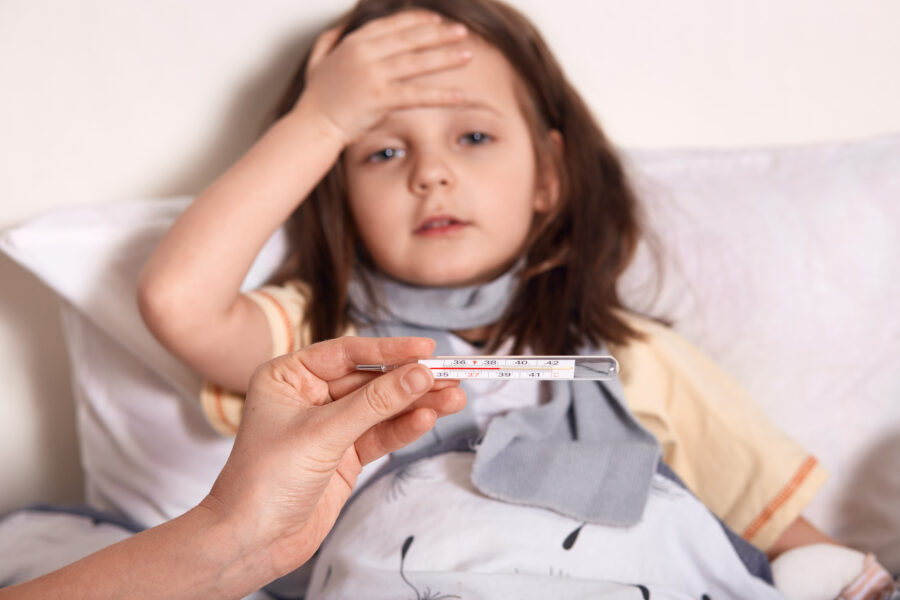
The first step when your child feels sick is to take a careful inventory of their symptoms. Look beyond just one complaint and observe the full picture: Does your child have a fever, and if so, how high is it? Are there respiratory symptoms like coughing or congestion? Is there vomiting, diarrhea, or abdominal pain? Pay attention to behavioural changes as well, such as unusual sleepiness, irritability, or a lack of interest in activities they normally enjoy. These observations help you understand whether your child may be dealing with a mild viral infection or something that requires medical attention.
Temperature matters, but it is not the only indicator of how sick your child actually is. A child with a low-grade fever who is playing and drinking normally may be less concerning than a child with no fever who appears unusually sleepy, is difficult to engage, or refuses fluids. Document when symptoms started, what makes them better or worse, and whether they have been getting progressively more severe or staying stable. This information becomes invaluable if you decide to contact your child’s healthcare provider or visit an urgent care facility.
One thing parents can easily overlook is how their child behaves between symptoms. Are they interested in playing, watching television, talking, or interacting with family? Are they drinking fluids and urinating normally? Younger children may not always be able to explain what hurts, so changes in appetite, sleep, activity, and mood can offer useful clues. These observations do not replace medical advice, but they can help parents explain what is happening when speaking with a healthcare professional.
Determine When to Call Your Doctor
Knowing when to contact your child’s healthcare provider can prevent both unnecessary medical visits and dangerous delays in care. Call your pediatrician or family doctor if your child has symptoms that are bothersome but not severe, such as a mild cough, mild congestion, or a small rash that does not spread. If you are unsure whether your child’s symptoms need attention, calling the office for guidance is often a sensible first step. Some pediatric practices also have nurse advice lines available to answer questions.
Seek prompt medical advice if your child has a high fever, persistent vomiting or diarrhea, a severe headache with neck stiffness, or unusual lethargy. A rash that does not fade when pressed, signs of dehydration, or a noticeable change in your child’s responsiveness also deserve immediate attention. If your child is struggling to breathe, is difficult to wake, has a seizure, or appears seriously unwell, seek emergency medical care rather than waiting for an appointment.
For less severe concerns that still need an in-person assessment, parents may consider an urgent care clinic when their regular pediatrician is unavailable. For example, Fast Track urgent care in Tyrone, in the St. Petersburg area, is one local option parents may want to be aware of. Checking the clinic’s services and hours before leaving home can help families determine whether it is appropriate for their child’s symptoms. Urgent care is not a substitute for emergency services when a child has serious or potentially life-threatening symptoms.
Age is another important consideration. A baby younger than three months with a temperature of 100.4°F (38°C) or higher needs prompt medical assessment, even if they otherwise appear well. Very young infants can become seriously ill without showing the same symptoms as older children, so it is important not to wait and see.
Provide Comfort Measures at Home
While you are determining the next steps, focus on keeping your child comfortable and supporting their recovery. Ensure they stay well hydrated by offering water, breast milk or formula for infants, or appropriate fluids for their age. If they have been vomiting or have diarrhea, ask a healthcare professional whether an oral rehydration solution is suitable. Let them rest in a comfortable environment that is neither too hot nor too cold. Dress them in light layers that can be adjusted, and use a clean humidifier if respiratory symptoms like coughing or congestion are present.
It is also worth remembering that children do not always need to eat their usual meals when they are sick. If your child has a reduced appetite for a short time, offer small amounts of food they can tolerate without pressuring them to finish a meal. Pay particular attention to fluid intake and signs of dehydration, including a dry mouth, fewer wet diapers or trips to the bathroom, and unusual sleepiness. If your child cannot keep fluids down or you are concerned about dehydration, contact a healthcare professional.
Over-the-counter medications can help manage specific symptoms, but always follow the product’s age and weight-based dosage instructions carefully. Never give medications intended for adults to children without explicit guidance from a healthcare professional. Acetaminophen and ibuprofen can reduce fever and ease body aches when appropriate for the child’s age and health circumstances. Ibuprofen is generally not recommended for babies under six months unless a healthcare professional advises otherwise. Do not give aspirin to children unless specifically directed by a doctor.
Warm liquids can soothe a sore throat in children old enough to drink them safely, while ice pops may provide comfort and additional fluids. Honey can help soothe a cough in children over one year old, but should never be given to infants younger than 12 months. Sometimes the simplest measures, like extra cuddles, reading stories together, or sitting quietly nearby, help children feel safer and more secure while they recover.
Monitor Progress and Keep Records
Throughout your child’s illness, maintain a simple record of symptoms and their severity. Note when symptoms began, the times you gave medications, and your child’s temperature readings if you are taking them. Track whether symptoms are improving, staying the same, or worsening, and note any new complaints that emerge as the illness progresses. This log becomes extremely helpful if you need to contact a doctor, as it provides concrete information about your child’s illness timeline rather than relying on memory alone.
Watch for any new symptoms that develop after the initial illness appears to be improving. Sometimes what starts as a simple cold is followed by an ear infection or another complication that may require assessment and different treatment. A child who develops ear pain, worsening congestion, a new fever, or symptoms that seem to be getting worse should be assessed by a healthcare professional.
It can also help to take note of how much your child is drinking and how often they are urinating. These details can be particularly useful if vomiting, diarrhea, or fever is involved. If your child is clearly improving day by day, even if recovery seems slower than you would like, this is generally reassuring. However, always pay attention to changes in their overall condition rather than relying on the temperature alone.
Know When Recovery Takes Time
Many childhood illnesses, particularly viral infections, simply need time to run their course. A typical cold often lasts seven to ten days, and a cough can linger even longer after other symptoms resolve. It is easy to feel frustrated when your child continues to cough or seems tired for what feels like an extended period, but a gradual recovery is common.
Parents should also remember that recovery does not always happen in a straight line. A child may seem more energetic one morning and need extra rest again later in the day. Returning to normal activities too quickly can be tiring, so allow your child to ease back into school, sports, and their usual routine as they feel better.
However, if symptoms persist beyond what seems reasonable for a common illness, or if your child seems to be getting worse rather than better after several days, follow up with their healthcare provider. A fever that returns after going away, new symptoms, or a noticeable decline in your child’s energy or behaviour are also reasons to seek medical advice. Trust what you are observing and do not feel that you have to wait until your child is extremely unwell before asking questions.
Conclusion
Managing a sick child requires patience, careful observation, and good judgment about when to seek professional help. By assessing symptoms thoroughly, recognizing warning signs, and providing supportive care at home, you can navigate your child’s illness with greater confidence. Keep track of changes, make sure they are getting enough fluids and rest, and do not hesitate to contact your child’s healthcare provider if something concerns you.
Trust your parental instincts, but remember that you do not have to make every healthcare decision on your own. Most childhood illnesses resolve with time and appropriate comfort measures, but knowing when to seek medical attention is an important part of keeping your child safe and supporting their recovery.