Best Sunglasses for Driving: Reduce Glare and Drive Safer
6 min read
1194 words
If you’re like me, your truck isn’t just a vehicle, it’s your office, your getaway car, and a place where you’ve already put on serious miles. I drive a Ford F-150, and if you drive a pickup too, you know the feeling. There’s a unique sense of command from that high ride seat with the big, wide windshield. But that same design comes with a relentless problem: glare. From the blinding sun on the highway to the harsh reflection of snow in winter, driving can feel like a constant battle for your eyes. That’s why I went on a mission to find the best sunglasses for driving. This isn’t just about style, it’s about safety, comfort, and seeing the road clearly in 2026 and beyond. Here’s what I learned about choosing the best sunglasses for driving and what actually works in real conditions.
Why Pickup Trucks Like the F-150 Have Worse Glare Issues
It’s not just your imagination. If you drive a truck or an SUV, you’re fighting an uphill battle against glare. Here’s why:
Higher Seating Position means more direct sun exposure. You sit higher than a sedan driver, placing your eyes closer to the direct path of the sun, especially when driving east in the morning or west in the evening.
Larger Windshield means more reflection area. That massive piece of glass doesn’t just give you a great view, it gives the sun and oncoming headlights a huge canvas to reflect onto you and your dashboard.
Longer Highway Driving means more eye strain. Trucks are built for long hauls. Hours on the interstate mean prolonged exposure to inconsistent light, leading to significant eye fatigue.
Seasonal Glare in Canada and everywhere snow falls is another major factor. Driving in winter conditions is a double challenge. The low sun angle combined with reflective snow and wet roads creates a dazzling high contrast environment that is hard on the eyes.
My Daytime Driving Problem: Sun Glare on the Road
My typical drive involves a mix of highways, rural backroads, and city traffic. The pain points are real and consistent:
Constant squinting when the sun hits a certain angle, even with the visor down.
Mental and physical fatigue setting in on longer trips, making me feel drained before I even reach my destination.
Blinding reflections from my dashboard, other cars’ hoods, and wet pavement after rain.
This daily struggle led me to a simple, but powerful conclusion. My standard sunglasses weren’t cutting it. I needed something specifically engineered to tackle driving glare. That’s when I dove deep into the world of driving sunglasses with polarized lenses and started researching the best sunglasses for driving more seriously.
Best Sunglasses for Day Driving: The Power of Polarized Lenses
After trying several pairs, the difference between regular tinted sunglasses and proper polarized sunglasses for driving was night and day. Here’s what worked exceptionally well in my F-150:
Polarized Lenses act like a filter for reflected light, cutting out horizontal glare that bounces off roads, hoods, and water. It’s the single best technology for reducing glare while driving.
One hundred percent UV protection is essential for eye health and long term safety.
Medium Tint in brown or gray worked best. It is dark enough to handle bright sun but not so dark that it reduces visibility in shade or cloudy conditions. Brown tints also enhance contrast.
The benefits I noticed immediately:
- Clearer road visibility with better detection of lane markings, debris, and hazards.
- Dramatically reduced windshield reflection with almost no dashboard glare.
- Less eye strain on long drives with noticeably reduced fatigue.
Night Driving Challenges in the F-150
As the sun goes down, the problem changes but does not disappear.
- Headlight glare from oncoming traffic becomes more intense due to higher eye level in a truck.
- Rain and wet roads amplify reflection, turning light into long streaks across the windshield.
- Distant taillights in the dark can create haze and reduce clarity on unlit roads.
Do Night Driving Glasses Actually Work? An Honest Review
I tested several pairs of yellow tint glasses and anti glare coated lenses. Here is the honest result:
What helped was mild yellow tint, which slightly improved contrast in rain and low light. Anti reflective coating helped reduce internal reflections in the lenses themselves.
What did not work was overly dark yellow or amber lenses often marketed as night vision glasses. They reduced overall light and made driving feel dimmer, which is unsafe in low visibility conditions.
What Actually Worked Best for Me at Night
The simplest solution worked best.
- Clear lenses or no sunglasses at all were often the safest option on clear nights. The goal is to maximize visibility, not reduce light.
- Windshield cleanliness matters more than glasses. Dirt and film create starburst effects from headlights.
- Smart mirror settings using the anti glare mode on the rearview mirror make a noticeable difference and cost nothing.
Driving in Canada: Snow, Rain, and Seasonal Glare
Winter snow reflection is a serious issue. The combination of low sun and reflective snow creates intense glare where the best sunglasses for driving become especially important for safety.
- Spring and autumn rain glare turns highways into reflective surfaces that scatter light.
- Low sun angles during morning and evening commutes create constant visibility challenges.
For all these conditions, polarized lenses remain the most reliable daytime solution.
Best Overall Sunglasses Setup for F-150 Drivers
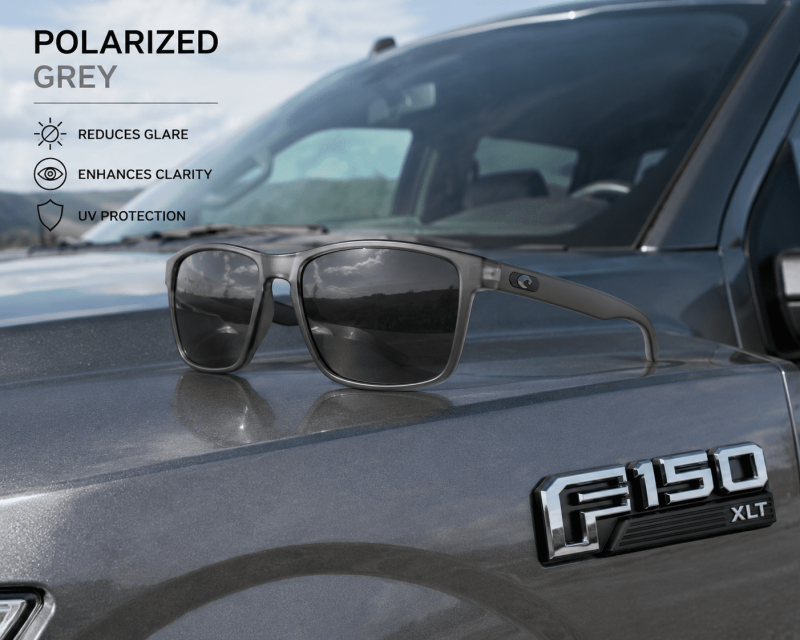
Based on my experience, this is the ideal setup:
- Daytime use a comfortable pair of sunglasses for driving with polarized lenses, UV protection, and a medium tint in gray or brown.
- Nighttime use clear lens glasses with anti reflective coating when needed, especially in rain or traffic.
- Always keep a backup inexpensive polarized pair in the truck.
- Maintenance matters, so always keep a microfiber cloth for clean lenses.
What I’d Recommend Before You Buy Driving Glasses
- Do not overpay for night vision marketing claims. Many are not scientifically strong.
- Prioritize comfort and fit because if you do not wear them consistently, they become useless.
- Test tint levels in real driving conditions whenever possible.
- Polarization is more important than brand name when it comes to glare reduction.
Conclusion: Simple Glasses Made My F-150 Driving Safer
Finding the right glasses was not about luxury or branding. It was about solving a real visibility problem. Polarized lenses made daytime driving significantly safer and more comfortable. Night driving required a simpler approach focused on clarity rather than tint.
By switching to proper driving glasses for glare, I reduced eye strain, improved focus, and made every trip in my F-150 safer and more enjoyable. The road is already demanding. Your vision should not be.
Continue Reading
If you’re a woman who drives a Ford F-150, the right pair of sunglasses can make every drive more comfortable and stylish. Discover which frame styles work best for round, oval, square, heart, and diamond face shapes in our guide: The Best Sunglasses for Women: Finding Your Frame Shape.
Disclaimer: This article is based on personal experience. Always follow local traffic laws and prioritize safe driving practices.