Winter Vehicle Emergency Kit: What to Keep in Your Car
9 min read
1687 words
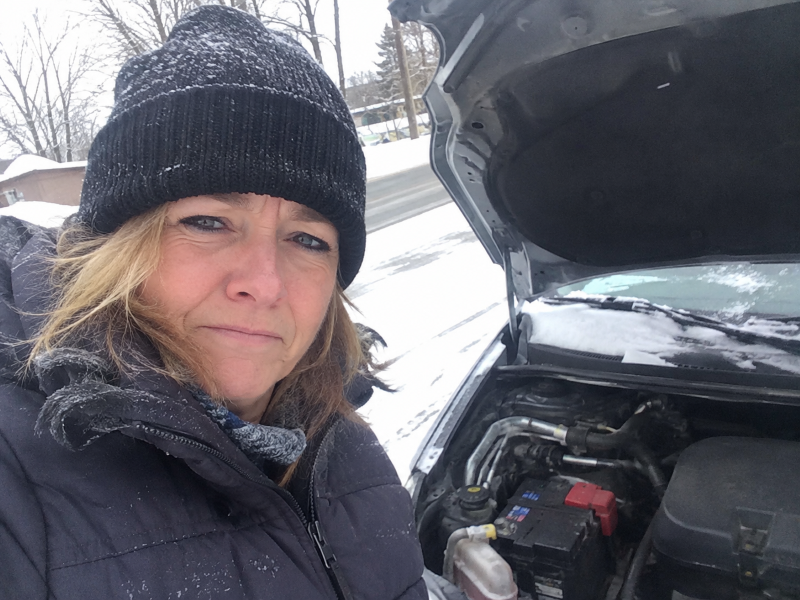
Winter driving in Canada can be unpredictable. One day the roads may be clear, and the next you could be dealing with heavy snowfall, freezing rain, blowing snow or icy conditions. Even a short trip can become stressful if your vehicle breaks down, gets stuck or leaves you waiting for roadside assistance in freezing temperatures.
That is why putting together a winter vehicle emergency kit is such a sensible precaution. Having a few essential supplies in your vehicle can make an unexpected situation more manageable and help keep you and your passengers comfortable while you wait for help.
You do not need to fill your trunk with expensive equipment or prepare for every imaginable emergency. A thoughtfully organized winter vehicle emergency kit with practical supplies can make a difference when you need them most.
Why You Need a Winter Vehicle Emergency Kit
Cold weather creates challenges that drivers do not always encounter during the warmer months. A dead battery, flat tire, road closure or sudden snowstorm can leave you stranded longer than expected. If you are travelling outside town or on less frequently travelled roads, getting assistance may take additional time.
A winter vehicle emergency kit gives you access to basic supplies when you cannot immediately get back on the road. Warm clothing, a flashlight, food, water and a way to charge your phone are all useful items to have available.
It is also important to remember that an emergency kit should be suited to your driving habits. Someone who mainly drives short distances around town may need different supplies than someone who regularly travels rural highways or takes longer winter road trips.
Essential Items for Your Winter Vehicle Emergency Kit
1. Warm Blankets and Extra Clothing
Staying warm should be a priority if your vehicle becomes stranded during freezing weather. Keep a warm blanket in your trunk, along with extra gloves, a winter hat, socks and a scarf.
An extra pair of mittens or gloves can be particularly useful if your hands become wet while clearing snow or changing a tire. Warm clothing is also helpful if you need to leave the vehicle to get assistance.
Consider keeping these items in a waterproof storage bag so they remain dry and ready to use.
2. Snow Brush and Ice Scraper
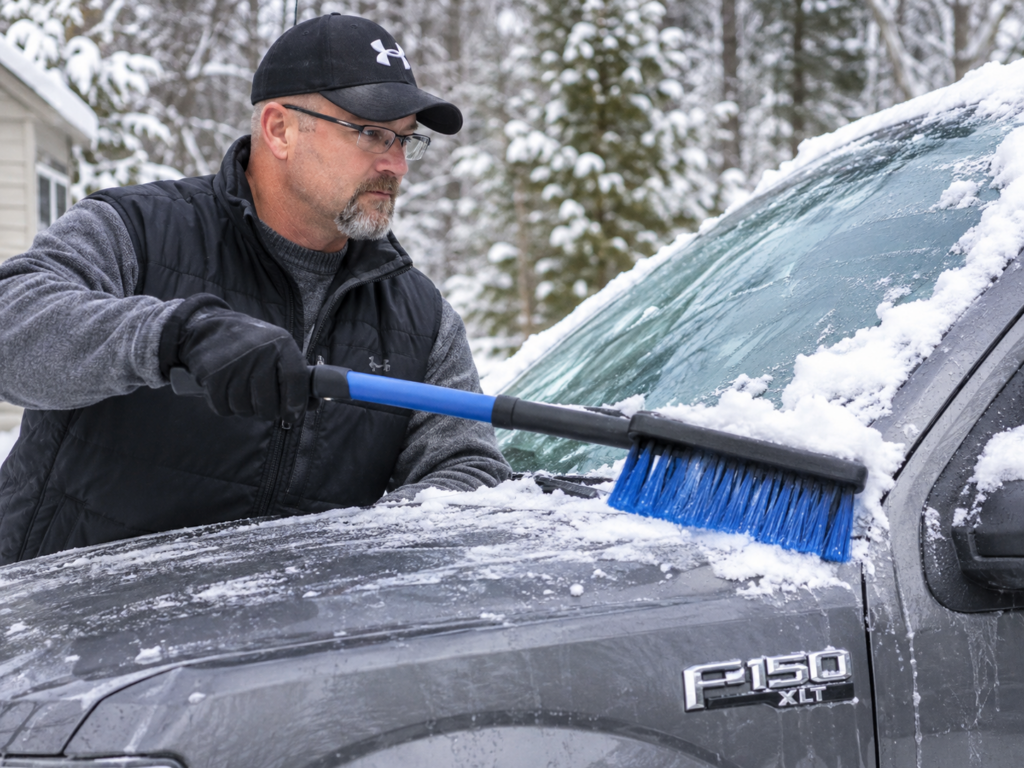
A good snow brush and ice scraper are essential winter vehicle supplies. Snow can accumulate quickly on your windshield, windows, mirrors and roof, and you need to be able to clear your vehicle properly before driving.
Choose a brush with a comfortable handle and enough reach to clear the roof of your vehicle. An ice scraper with a sturdy edge will help remove frost and ice from the windows without relying on your windshield wipers.
Keep these items somewhere accessible rather than buried underneath everything else in your trunk.
3. Small Shovel
A compact snow shovel can be extremely helpful if your vehicle becomes stuck in snow. It can help clear snow from around your tires, underneath the vehicle or from the area where you need to stand.
A folding shovel is a practical option because it takes up less storage space. Make sure it is sturdy enough for the type of snow you typically encounter.
4. Booster Cables or a Portable Jump Starter
Cold temperatures can put additional strain on your vehicle’s battery. If your battery loses its ability to start the engine, booster cables or a compatible portable jump starter may help.
If you choose booster cables, make sure they are suitable for your vehicle and learn how to connect them safely according to your owner’s manual. A portable jump starter is another option, particularly if you often travel alone. Remember to keep it charged and check its condition periodically.
5. Flashlight and Extra Batteries
Winter days are shorter, and a vehicle breakdown can leave you dealing with an emergency in the dark. A reliable flashlight can help you inspect a tire, locate supplies or make yourself more visible while waiting for assistance.
Keep spare batteries with it, or choose a rechargeable flashlight and check its charge regularly. A headlamp is another useful option because it leaves both hands free.
6. First-Aid Kit
A basic first-aid kit is a sensible addition to any winter vehicle emergency kit. Look for one containing adhesive bandages, gauze, antiseptic wipes, medical tape, disposable gloves and other basic first-aid supplies.
Check the contents occasionally and replace anything that has been used, damaged or expired. Keep the kit in an accessible location where you can reach it without unloading the trunk.
7. Food and Drinking Water
If you become stranded for several hours, having a little food and water can be helpful. Keep non-perishable snacks such as granola bars, crackers or packaged trail mix in your vehicle.
Water is also worth including, but remember that it can freeze in extremely cold temperatures. Check your supplies regularly and replace any frozen or damaged containers. An insulated bag can help protect bottled water from temperature changes.
Avoid storing food that can spoil or become unsafe if exposed to repeated temperature fluctuations.
8. Phone Charger and Portable Power Bank
Your phone may be your most important communication tool during an emergency. Keep a charging cable in your vehicle and consider carrying a fully charged portable power bank.
A power bank is particularly useful if your vehicle battery is dead or you need to conserve power while waiting for assistance. Check its charge periodically, as cold temperatures can affect battery performance.
9. Reflective Vest and Warning Equipment
If you need to leave your vehicle because of a breakdown, being visible to other motorists is important. A reflective safety vest can help make you easier to see, particularly at night or during poor weather.
Depending on where you drive, you may also want to carry a reflective warning triangle or other approved roadside warning equipment. Only place warning devices where it is safe to do so, and never put yourself in the path of traffic.
10. Roadside Assistance and Towing Information
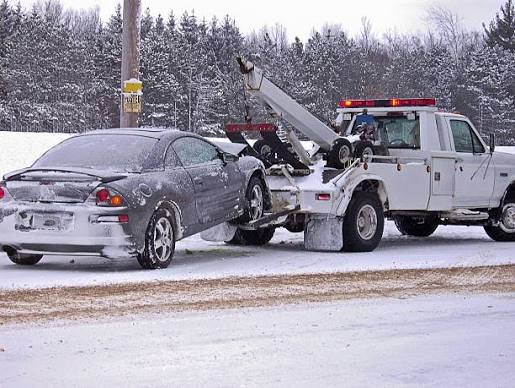
Even with a well-stocked winter vehicle emergency kit, you may still need professional help. A vehicle can become stuck in deep snow, develop mechanical problems or refuse to start in freezing temperatures. Having access to a reliable roadside assistance or towing service can make an unexpected situation easier to manage.
Before winter arrives, check whether your auto insurance policy, vehicle warranty, automobile association membership or another service includes roadside assistance. Find out what is covered, including towing distances, battery boosts, flat tire assistance, lockout service and fuel delivery.
Keep your provider’s phone number and your membership or policy information somewhere accessible, both in your vehicle and on your phone. Save the roadside assistance number in your phone contacts so you can find it quickly during an emergency.
It is also helpful to know which towing companies operate in the areas where you regularly drive. Do not wait until you are stranded on a freezing roadside to start searching for a service.
If you need a tow, move your vehicle to a safe location if possible, turn on your hazard lights and remain somewhere safe while waiting for assistance. Follow the advice of roadside assistance professionals and emergency services.
11. Traction Aids
If your vehicle becomes stuck in snow, traction aids may help you regain movement. A small bag of sand or commercially available traction material can provide additional grip in some situations.
Traction mats are another option. They are designed to provide a surface for tires to grip when attempting to move out of snow.
Avoid spinning your tires excessively, as this can dig the vehicle in deeper and create additional problems.
Additional Supplies for Longer Winter Trips
If you regularly travel outside your community, consider adding a few extra items to your winter vehicle emergency kit.
Depending on your route and circumstances, these may include:
- Extra warm clothing and blankets for passengers
- Additional non-perishable food and drinking water
- A larger first-aid kit
- Basic tools suitable for your vehicle
- A paper map in case your phone loses service
- A whistle for attracting attention
- Hand warmers
- Pet food and supplies if travelling with an animal
Drivers who regularly use rural roads or less travelled highways should consider how long they might need to wait for help. Having additional supplies can make a prolonged delay more manageable.
Keep Your Winter Vehicle Emergency Kit Organized
Having the right supplies is only helpful if you can find them when you need them. Store your winter vehicle emergency kit in a sturdy container, storage bin or waterproof bag in your trunk.
Keep frequently used items, such as your snow brush, ice scraper and gloves, somewhere easy to reach. Place emergency supplies together so you are not searching through shopping bags, tools and other belongings during a stressful situation.
It is also worth checking your kit at the beginning of each winter and periodically throughout the season. Replace expired food, inspect batteries, recharge your power bank and make sure clothing and blankets are clean and dry.
Do Not Forget Your Vehicle’s Winter Maintenance
An emergency kit is an important part of winter preparation, but it does not replace regular vehicle maintenance. Before the cold weather arrives, make sure your tires, battery, brakes, fluids, lights and windshield wipers are in good condition.
If you need help getting started, read our guide to How to Winterize Your Car: A Practical Checklist, which covers important checks to help prepare your vehicle for colder weather.
A Little Preparation Goes a Long Way
Putting together a winter vehicle emergency kit does not have to be expensive or complicated. Start with the essentials, including warm clothing, a blanket, a flashlight, food, water, a first-aid kit and basic roadside supplies. You can add other items based on how often you drive and the conditions you typically encounter.
Winter weather can be unpredictable, but being prepared can make an unexpected breakdown or delay less stressful. Take a little time before the snow arrives to organize your supplies, save your roadside assistance contact information and check that everything is ready.
A well-stocked winter vehicle emergency kit is one small step that can provide valuable peace of mind throughout the Canadian winter.