
6 min read
1165 words
Have you ever looked at a plain t-shirt online and thought, why is this $45 and still boring? That moment of disbelief is basically the unofficial entry point into the fashion business. Right now, people are tired of cookie-cutter clothes, and they want pieces that feel personal, social-media ready, and worth the money. At the same time, trends move fast and competition is everywhere. In this blog, we will share how to start a fashion business from scratch with practical steps that actually work.
Find Reliable Production and Get Samples First
After you decide what you want to sell, you need to figure out how you will make it. This is where many fashion dreams quietly die, usually after someone realizes manufacturers do not accept “trust me, it’ll look cool” as a design plan.
You need production that matches your goals. Print-on-demand is cheap to start, but it limits quality and branding. Local small-batch production can be great, but it can be expensive. If you want control over sizing, fabrics, tags, and repeatable quality, working with custom clothing manufacturers is often the best move, especially if you’re trying to build a brand that looks legitimate instead of a basic merch shop.
The most important step here is ordering samples. Never skip that step, even if the manufacturer promises everything is perfect. Test the stitching, check the fabric weight, wash it, and wear it. If the collar curls up or the seams twist after laundry day, your customers will notice immediately, and they will not keep that opinion to themselves.
You also need to learn a few basic industry terms early, because these words will show up in every conversation. MOQ means minimum order quantity, lead time means how long production takes, and a tech pack is the document that tells a manufacturer exactly how to make your clothing. A tech pack is not optional if you want consistency. If you don’t have one, the manufacturer will guess, and guessing is not a business strategy.
Start simple. Even if your first collection is only two or three designs, focus on making them feel premium and well-finished. A small line that looks professional will beat a huge line that looks rushed.
Know What You’re Selling and Who It’s For
A fashion business is not just “making clothes.” It’s selling an identity people want to wear in public. That means your first job is deciding what your brand stands for and who your customer is. If you try to sell to everyone, you’ll end up selling to no one, because your brand will feel like a random rack at a discount store.
Start by picking a niche that makes sense. You might want to build streetwear for college students, workout clothing for women who hate flimsy leggings, modest fashion for professionals, or premium basics for people who want simple outfits that fit right. Then, make your niche specific enough that someone can describe it in one sentence without struggling.
This matters even more today because the fashion world is split in two directions. On one side, fast fashion is still pumping out cheap clothing at an insane speed. On the other side, shoppers are paying attention to quality, sustainability, and ethical production, because they’re tired of clothes that shrink after one wash. Resale platforms like Depop and Poshmark are also pushing the idea that clothing should last longer, which puts pressure on new brands to actually deliver decent products.
Once your niche is clear, choose a product type that’s realistic for a beginner. A lot of new founders try to launch a full clothing line immediately, but that is like trying to cook Thanksgiving dinner when you’ve never boiled pasta. Start with one category, such as hoodies, t-shirts, dresses, or denim, then build from there once you know what sells.
Build a Brand That Feels Like a Real Identity
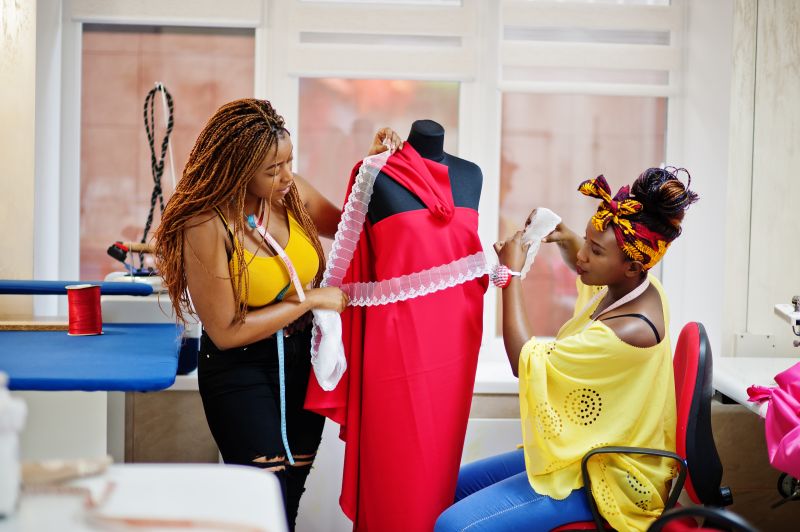
People do not buy clothes only because they need clothes. They buy them because the clothing says something about them, even if it’s just “I know how to dress better than my coworkers.” That’s why branding matters so much.
Your brand needs a clear personality. Not a vague mission statement like “confidence for everyone,” because that tells the customer nothing. Instead, you want your brand to have a recognizable look and attitude. When someone sees your product photos, they should immediately understand if you’re selling edgy streetwear, clean minimalist basics, bold luxury looks, or relaxed vacation-style clothing.
This is also where current culture plays a huge role. Social media has turned fashion into a constant performance. People dress for photos, not just for comfort. At the same time, shoppers want authenticity, which is ironic, because they want authenticity packaged in a way that looks perfect on Instagram. Still, it’s a real trend, and it’s shaping how brands win attention.
So you need strong basics in place. Your name should be easy to spell and easy to search. Your logo should be clean and readable on a tag. Your brand colors should match your vibe. Most importantly, your product photos need to look consistent. A brand that has random fonts, random photo styles, and random color schemes looks untrustworthy, even if the product itself is decent.
If you want customers to take you seriously, you need to look serious, even if you’re building this brand from your bedroom with a laptop and a dream.
Handle Orders, Customer Service, and Growth the Smart Way
Once customers start ordering, you need systems. Shipping late, losing packages, or ignoring emails will destroy your reputation faster than bad design ever could.
Pack orders neatly. Ship on time. Use clean packaging. Add small touches like a thank-you card. People remember that stuff, and fashion customers talk. They post unboxing videos, they leave reviews, and they will absolutely complain publicly if they feel ignored.
Returns are part of the business too. You don’t need to accept every return forever, but you do need clear rules. A fair policy protects you while keeping customers comfortable enough to buy again.
When you start growing, scale slowly. Do not rush into adding ten new products just because one hoodie sold out. Instead, build on what works. If your t-shirts sell well, release new colors or new designs. If your customers love your oversized fit, keep leaning into that identity.
Growth should feel controlled, not chaotic. The goal is to build a brand that lasts, not a brand that spikes for one viral moment and then collapses when the hype fades.
Starting a fashion business from scratch is hard, but it’s possible if you treat it like a real operation. If you focus on a clear niche, solid production, clean branding, and consistent marketing, you can build something that feels professional, even in a world where trends change every five minutes and everyone wants to be the next big brand overnight.
 Debbie Price
  Leo Allen
  Victoria Jain