

6 min read
1010 words
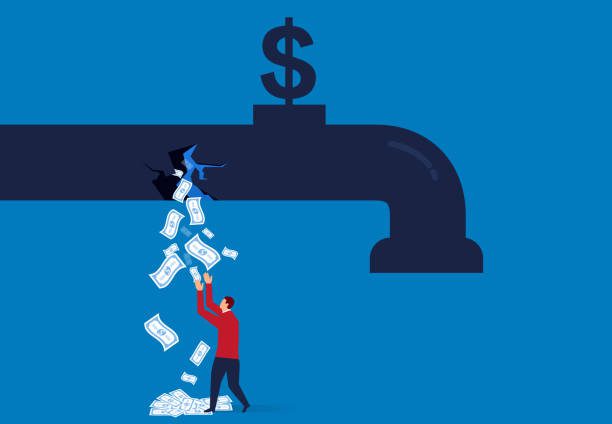
Most business owners focus on increasing revenue, but the real game-changer can often occur in the silent leaks that are draining profits. This might not seem possible or even obvious, but without a good review of your finances, you won’t know. Many people drive for more, without reflecting on their current operations to see what changes can be made to make a big difference. There are often things hidden in everyday operations, small decisions or even just expenses that are overlooked that can compound over time. If your business feels busy, but you are not seeing the profit margins that you would expect to see, then there is a chance that you are dealing with one or several of these potential financial drains. To help you make your business more efficient and lean, here are some hidden profit leaks you could be suffering from, and what you can do to fix them.
Subscriptions
Subscriptions are often the silent budget killer. One of the most common and overlooked profit leaks that a business may be suffering from is an overload of subscriptions. It can start really innocently. There may be some helpful tools to increase efficiency, support your design teams, make your CRM flow nicely, or even some premium analytics platforms that provide you with all the data you need to grow. Over time, these stack up into a significant monthly expense, which may not deliver the proportional value.
This can easily happen when you opt for free trials, but they turn into paid plans without you noticing. There could also be multiple tools that have stacked up over time that have overlapping functions, or even just team members signing up for tools independently.
It is therefore a good idea to review your outgoings and subscriptions, to see every quarter what is being used, what is valuable, if there is a cheaper or bundle alternative, and whether there is one tool that can replace several of them.
Even just cutting a few hundred per month can add up and improve your margins.
Underpricing your products or services
Underpricing isn’t just a growth issue; it is a profitability leak that can quickly add up if it keeps happening. Many businesses set prices based on competitors or fear of losing customers, rather than actual costs and value delivered.
The hidden costs start to add up, and every underpriced sale leaves money on the table. If you multiply that across a hundred translations, that loss is no longer a small hit; it is substantial.
In order to fix this, it is important that you look at the value of what you are offering and calculate the true costs, including the overheads, effort and your time. Test incremental price increases to see how they land with your customers, and really focus on value, not just being affordable. Even a small increase in your prices, for example, 5-10%, can go a long way, without increasing workload.
Inefficient processes
Time is one of your most expensive resources, yet it’s often poorly tracked and optimized. Manual tasks are the biggest culprit for this, as well as duplicated work, unclear workflows, and bottlenecks that all lead to lost money.
Within your business, this may look like repetitive admin tasks, systems that communicate poorly, and a lack of automation in key areas.
To fix this, take some time to document your key processes and streamline them. Automate tasks where it is possible and simple to do so, for example, follow ups, scheduling and invoicing. Eliminate any bottlenecks and unnecessary steps.
Poor inventory management
For product-based businesses, poor inventory management that is poor is a huge source of financial leakage. Money can be lost in a number of places, including overstocking, understocking and dead stock that never sells. Make sure that you properly track your inventory turnover rates, use data to forecast demand and regularly review slow-moving items. This will help you make your inventory work for you, not against you, sitting idle and draining cash flow.
Not reviewing your expenses regularly
Many businesses set expenses once and forget about them. Over time, it is possible that this can lead to bloated costs that go unchecked and add up.
The problem is that costs change over time. Some that may have been justified a year or two ago may no longer be relevant or make sense today. Schedule a monthly or quarterly expense review, where you specifically look out for services that you no longer need, vendors you can negotiate with and areas where spending has quietly increased. If you keep these reviews consistent, you will better keep your business in order.
Missing out on tax-efficient strategies
One of the most overlooked areas of financial leakage is failing to take full advantage of allowable business expenses. If you operate through a corporation, there may be opportunities to treat certain costs as business expenses. One good example is healthcare and deducting medical expenses through your corporation. Healthcare is an important benefit you want to offer employees, but it can be a significant expense. When structured correctly, some of these costs can be paid through the business in a tax-efficient way, reducing your overall taxable income. The rules may vary depending on your country and tax structure, and proper documentation and advice is important.
Poor customer screening
Not all traffic and revenue is good. If you have the wrong kind of clients knocking at your door, or clients that are difficult, pay late, or have low-margin projects, you may find that they are consuming time and resources far beyond what they bring in financially. Some of the hidden costs you may not have realized are adding up, including chasing payments, subtly increasing the scope of projects, reduced productivity, increased anxiety, and more. It is therefore vital that you have contracts in place for project boundaries and scope, set clear payment terms, and be willing to walk away from unprofitable work.
Growing a business isn’t just about making money – it is about keeping more of what you already earn.
 Hannah Clare
  Kayla Baptiste
  Gracie Davis