
6 min read
1139 words
If you’ve been diagnosed with uterine fibroids, you’re far from alone. In fact, by age 50, up to 80% of women will have developed fibroids. While often benign, these noncancerous growths can cause a host of challenging symptoms, from heavy menstrual bleeding and pelvic pain to pressure on the bladder and even fertility concerns. The good news? You have more options than ever before. The world of uterine fibroid treatments has evolved dramatically, moving beyond just “wait and see” or major surgery. This guide is designed to walk you through the full spectrum of treatments—from lifestyle adjustments and medications to cutting-edge, minimally invasive procedures and surgery.
Our goal is to empower you with knowledge, so you can have confident, productive conversations with your healthcare provider about the path that’s right for your body and your life.
First Step: Understanding Your Diagnosis
Before diving into treatments, it’s crucial to understand your specific situation. Fibroids vary greatly in:
- Size: They can be as small as a seed or as large as a grapefruit.
- Number: You might have a single fibroid or a cluster of many.
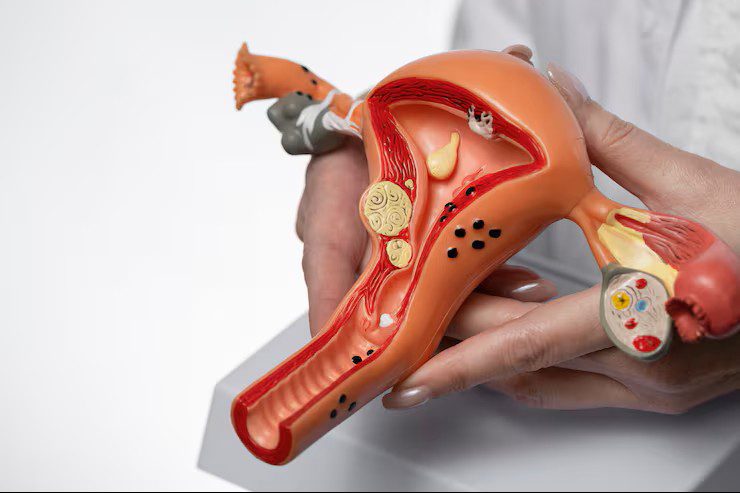
- Location: This is a key factor in determining symptoms and treatment. They can be inside the uterine wall (intramural), protrude into the uterine cavity (submucosal), or be on the outer surface of the uterus (subserosal).
A detailed discussion with your doctor, often including an ultrasound or MRI, will map out your personal “fibroid landscape” and form the foundation of your treatment plan.
Spectrum of Uterine Fibroid Treatment Options
Treatment is not one-size-fits-all. The best choice depends on your symptom severity, your fibroid size and location, your age, and whether you wish to become pregnant in the future.
Here’s a breakdown of the options available to you.
1. Watchful Waiting & Lifestyle Management
For many women with mild or no symptoms, active monitoring is often the first recommended approach.
- What it is: Regularly monitoring your symptoms with a doctor without immediate medical intervention.
- Who it’s for: Women with minimal symptoms who are nearing menopause (when fibroids often shrink naturally).
- Pros: Avoids unnecessary procedures and side effects.
- Cons: Symptoms may not improve and could potentially worsen over time.
Some women find relief through dietary changes (like reducing red meat), regular exercise, and stress management, though these are supportive measures, not cures.
2. Medications & Pharmaceutical Therapies
Medications can’t eliminate fibroids, but they can be highly effective at managing the symptoms.
- Over-the-Counter Pain Relievers: NSAIDs like ibuprofen or naproxen can help ease cramping and pain but do not reduce bleeding.
- Hormonal Birth Control: Pills, patches, rings, and hormonal IUDs (like Mirena®) can help regulate heavy bleeding and reduce menstrual cramps. An IUD is often particularly effective for controlling bleeding.
- Gonadotropin-Releasing Hormone (GnRH) Agonists: These drugs temporarily induce a state similar to menopause, shrinking fibroids and stopping menstruation. They are often used pre-surgery to simplify a procedure or to correct anemia. Use is typically limited to 6 months to a year due to side effects like bone loss.
- Other Options: Medications like Tranexamic acid (a non-hormonal drug taken during menstruation to reduce bleeding) or Oriahnn (a newer oral medication that combines a GnRH antagonist and estrogen/progestin to manage heavy bleeding).
3. Minimally Invasive & Image-Guided Procedures
This category represents some of the most exciting advances in fibroid care, offering effective treatment with shorter recovery times than traditional surgery.
- Uterine Fibroid Embolization (UFE) / Uterine Artery Embolization (UAE):
- What it is: An interventional radiologist makes a tiny incision in the wrist or groin and uses advanced imaging to guide a catheter into the arteries supplying the fibroids. Tiny particles are injected to block the blood flow, causing the fibroids to shrink.
- Pros: Preserves the uterus, no large incisions, effective for multiple fibroids, shorter recovery than surgery.
- Cons: Not ideal for women who want future pregnancy (discuss with your doctor), risk of post-embolization syndrome.
- MRI-Guided Focused Ultrasound (MRgFUS or HIFU):
- What it is: You lie inside an MRI scanner where sound waves are precisely focused on the fibroid tissue to heat and destroy it.
- Pros: Non-invasive (no incisions or radiation), outpatient procedure, very quick recovery.
- Cons: Not all fibroid types are suitable, potential for regrowth, not recommended for women seeking pregnancy.
- Endometrial Ablation:
- What it is: A procedure that destroys the lining of the uterus to reduce or stop menstrual bleeding.
- Pros: Minimally invasive, can be very effective for bleeding-focused symptoms.
- Cons: Not a treatment for the fibroids themselves; only for bleeding. Not recommended for women who want to preserve fertility.
4. Surgical Procedures
Surgery remains a definitive solution, especially for larger fibroids or more severe symptoms.
- Myomectomy:
- What it is: A surgical procedure to remove fibroids while leaving the uterus intact. It can be performed laparoscopically (with small incisions and a camera), hysteroscopically (through the cervix, for fibroids inside the uterus), or via an open abdominal incision (laparotomy).
- Pros: Gold standard for women who wish to preserve their fertility and uterus.
- Cons: Risk of fibroid regrowth, recovery time varies by technique.
- Hysterectomy:
- What it is: The surgical removal of the uterus. This is the only guaranteed cure for uterine fibroids, as it eliminates the possibility of recurrence.
- Pros: Permanent solution, eliminates all fibroid-related symptoms.
- Cons: Major surgery, not an option for women who wish to carry a pregnancy, induces surgical menopause if ovaries are removed.
How Do I Choose the Right Treatment for Me?
This is the most important question. Here are key questions to discuss with your gynecologist or a fibroid specialist:
- How severe are my symptoms? Are they disrupting my quality of life?
- Do I want to become pregnant in the future? This is the single biggest factor that will narrow your options.
- What are my personal goals? Is my main goal to stop heavy bleeding, relieve pressure, or preserve fertility?
- What are the risks and recovery times for each procedure I qualify for?
- Should I get a second opinion? Especially if a hysterectomy is the first option presented, seeking a second opinion from a specialist in minimally invasive procedures is always a good idea.
You Are Your Own Best Advocate
Living with uterine fibroids can be frustrating, but you don’t have to just “deal with it.” Modern medicine offers a robust portfolio of treatments. Armed with this knowledge, you can take the next step toward finding relief.
Ready to explore your options? We encourage you to reach out to a healthcare provider who specializes in fibroid care. Discuss your symptoms, your goals, and together, you can build a treatment plan that helps you reclaim your comfort and your life.
Disclaimer: This blog post is for informational purposes only and does not constitute medical advice. The information contained herein is not a substitute for and should not be relied upon for professional medical advice. Always talk to your doctor or a qualified healthcare provider about your individual medical situation and treatment options.
 Leo Allen
  Rose DesRochers
  Claire