
Organising a Day Out with Friends Without the Stress
6 min read
1133 words
Organising a day out with friends can turn into more admin than the day itself warrants, especially once several diaries, budgets and opinions need to line up. What starts as a simple idea, a coffee, a wander somewhere new, a proper catch-up, can spiral into weeks of half-finished group chat threads with nobody confirming a date. The irony is that people trying hardest to make time for each other often spend more energy on logistics than on the friendship itself.
Many groups discover that finding a day everyone can attend is only the beginning. Different work schedules, family responsibilities, financial situations, and personal preferences all come into play. One friend may prefer an active day outdoors, another may want a relaxing lunch, while someone else is hoping to keep costs low. None of these challenges are difficult on their own, but together they can make even a straightforward outing feel surprisingly complicated.
Most of that stress comes from too many decisions made by too many people at once, with nobody steering the plan toward an outcome. Picking somewhere everyone will enjoy, agreeing a date that suits enough people, and working out transport are the three points where plans usually stall. Sorting these out early, rather than leaving them to a slow drip of messages, tends to separate a day that happens from one that fizzles out.
One of the easiest ways to reduce the pressure is to accept that perfect rarely exists. Trying to find a date that works for absolutely everyone or an activity that suits every preference often delays the planning process indefinitely. Choosing an option that works well for most of the group usually results in more successful outings than waiting for universal agreement.
Why the Planning Itself Causes Most of the Stress

Modern friendships increasingly run on scheduled meet-ups rather than casual, drop-in time together, and that shift adds pressure to each occasion. Writers have noted why so many friendships now revolve around the “catch up” rather than simply spending time together, since busy lives leave little room for anything less deliberate. Once a day out becomes the main chance to see certain friends in weeks, everyone wants it to go well, making the planning stage feel higher stakes than it needs to be.
Technology has made it easier to stay connected, but it has also created more opportunities for indecision. A group chat with ten people can generate dozens of messages without producing a single firm decision. Suggestions are made, alternatives are offered, conversations drift onto unrelated topics, and before long the original idea loses momentum altogether.
The emotional importance attached to these outings also contributes to the stress. Friends often see these occasions as valuable opportunities to reconnect, celebrate milestones, or simply escape everyday responsibilities. Because everyone wants the day to be enjoyable, they can become reluctant to make decisions that might disappoint someone else, unintentionally slowing the process even further.
Picking a Plan Everyone Actually Enjoys

Rather than opening the floor to endless suggestions, it usually works better to offer two or three options and ask the group to vote, rather than an open question inviting a dozen answers. A shortlist forces a decision instead of more debate, and tends to surface the plan most people were quietly hoping for. Building in one flexible element, a late lunch instead of a fixed booking, eases the pressure to run exactly to plan.
It also helps to think about the group’s interests rather than trying to create an itinerary packed with activities. Some of the most enjoyable days out revolve around a single destination with plenty of time to talk, explore at a relaxed pace, and enjoy each other’s company. The friendships themselves are usually the highlight, not the number of attractions visited.
Keeping costs clear from the beginning avoids awkward conversations later. If everyone knows roughly what the day is likely to cost before committing, people can make informed decisions without feeling uncomfortable. Transparency around budgets helps ensure that everyone feels included and reduces the chance of last-minute cancellations.
Group Outing Options Worth Considering
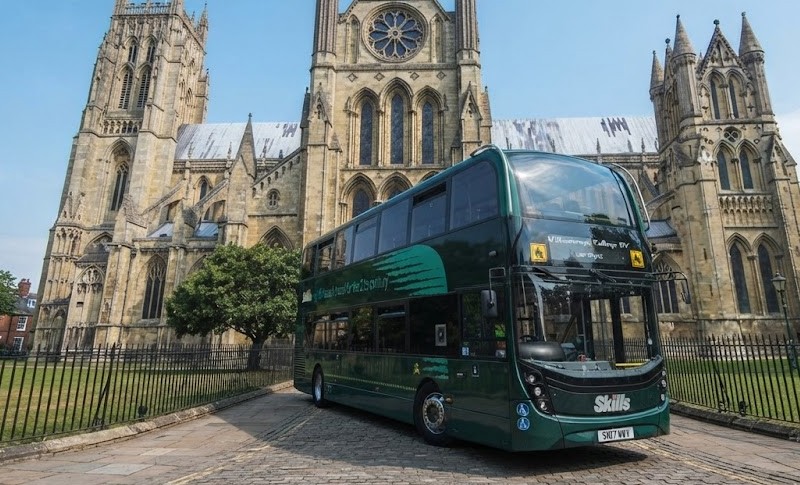
For a group that wants to see somewhere different without anyone driving or splitting into separate cars, day trips by coach are one of the simplest ways to get a group of friends somewhere new together. Everyone travels as one party from a single pickup point, nobody has to volunteer as designated driver, and the day can include a drink without anyone thinking about the journey home. It also takes one of the biggest planning headaches off the table entirely.
Coach outings can also remove the uncertainty of navigating unfamiliar roads, paying multiple parking fees, or coordinating meeting points. Travelling together from the beginning creates more opportunities for conversation and helps the day feel like a shared experience from start to finish.
Other simple group outings can work just as well depending on the interests of those attending. Visiting a local market, exploring a nearby town, spending the afternoon at a botanical garden, attending a seasonal festival, or enjoying a leisurely afternoon tea all provide opportunities to reconnect without requiring an overly structured schedule. The best choice is often the one that demands the least organisation while still giving everyone something to look forward to.
Making the Day Itself Feel Relaxed, Not Rushed

On the day, the plans that go smoothly are usually the ones with a little slack built in rather than a schedule packed end to end. Leaving room for a slower lunch, or simply sitting somewhere a bit longer than intended, tends to be what people remember fondly, far more than whether every item on the plan got ticked off. Regular time spent together like this carries real benefits too, since close female friendships have been linked to lower stress and better well-being.
Getting a group of friends out the door does not need weeks of back and forth. A shortlist, one person willing to confirm the plan, and an outing that removes rather than adds logistics turn a good intention into an actual day out.
It’s also worth remembering that nobody expects perfection. Minor delays, small changes, or an activity that turns out differently than expected rarely affect how people remember the experience. What stays with most people is the conversation, the laughter, and the feeling of spending uninterrupted time with friends.
Getting a group of friends out the door does not need weeks of back and forth. A shortlist, one person willing to confirm the plan, and an outing that removes rather than adds logistics turn a good intention into an actual day out. By keeping expectations realistic, making decisions early, and focusing on spending time together rather than creating the perfect itinerary, organising a day out becomes far less stressful and much more rewarding for everyone involved.