
5 min read
930 words
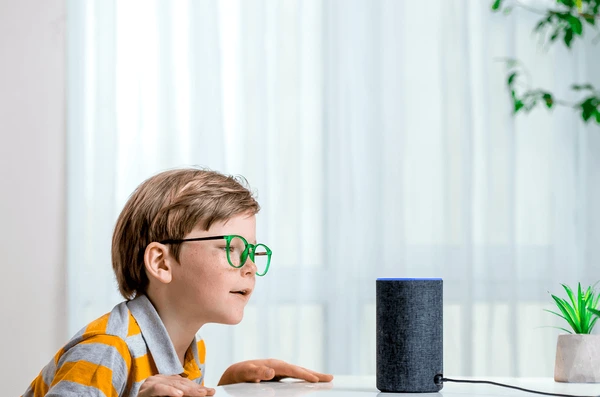
As parents, we’re constantly navigating the ever-evolving landscape of technology and its impact on our children. From tablets to gaming consoles, we’ve likely had our fair share of debates about screen time and content appropriateness. But what about those helpful, ever-listening companions in our homes – our voice assistants? Devices like Amazon Echo (Alexa), Google Home, and Apple HomePod are becoming increasingly ubiquitous. They answer questions, play music, set timers, and even tell jokes. But when it comes to our kids engaging with them, are they truly safe?
It’s a question that sparks a mix of curiosity and concern for many parents. On one hand, these devices can be incredibly convenient and even educational. On the other, the idea of a constant, always-on listener in a child’s environment can be unsettling. Let’s dive into the nuances of voice assistant safety for kids.
The Upside: When Voice Assistants Become Helpful Companions
There’s no denying the potential benefits of voice assistants for children:
- Educational Powerhouses: Need to know the capital of Madagascar? Wondering how many ounces are in a cup? Voice assistants can provide instant answers, fostering curiosity and a love for learning. Many also offer interactive educational games and stories.
- Independence Builders: Setting their own timers for homework or chores, or requesting a specific song without needing adult intervention, can empower children and build a sense of responsibility.
- Accessibility Champions: For children with certain disabilities or learning differences, voice assistants can offer a barrier-free way to interact with technology and access information.
- Family Entertainment Hubs: From playing kids’ podcasts and audiobooks to telling silly jokes, voice assistants can be a fun source of entertainment for the whole family.
The Downside: Navigating the Potential Pitfalls
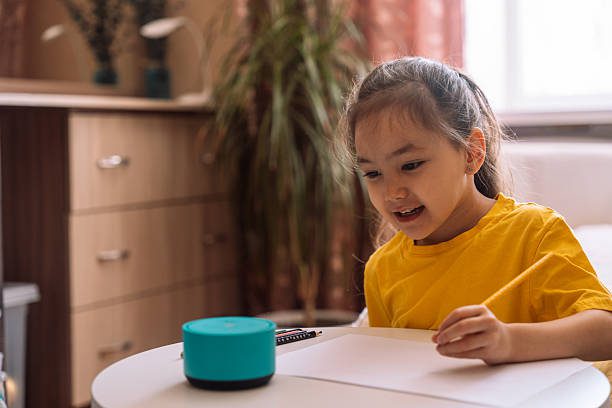
However, it’s crucial to be aware of the potential risks and address them proactively:
- Privacy Concerns: The Listening Ear: This is often the biggest worry for parents. Voice assistants are designed to listen for their wake word, and while companies have policies in place, the idea of constant recording can be unnerving.
- What to consider: Understanding your device’s privacy settings is paramount. Most allow you to review and delete voice recordings, and some even offer options to temporarily disable the microphone.
- Inappropriate Content: A Digital Wild West? While manufacturers strive to filter content, the internet is vast. Children might accidentally stumble upon or request information or entertainment that isn’t age-appropriate.
- What to consider: Most voice assistant platforms offer parental controls that allow you to restrict explicit content and set age limits for certain functions. Regularly checking these settings is key.
- In-App Purchases and Accidental Orders: This is a real concern! Children who are aware of voice ordering capabilities could potentially make unauthorized purchases if not properly secured.
- What to consider: Most devices require a PIN or password for purchases. Ensure this is set up and communicate to your children that they should not attempt to buy things without your permission.
- Over-Reliance and Reduced Critical Thinking: While helpful, there’s a risk that children might become overly dependent on voice assistants for simple answers, potentially hindering their ability to problem-solve and think critically for themselves.
- What to consider: Encourage your children to use the voice assistant as a supplement, not a substitute, for their own thinking. Ask them to explain things in their own words or try to figure out answers themselves first.
- Data Collection and Targeted Advertising: Like most tech, voice assistants collect data to improve their services. This data can sometimes be used for targeted advertising.
- What to consider: Familiarize yourself with the privacy policies of the device manufacturer. You can often opt out of certain data collection practices within the app settings.
Making Voice Assistants Kid-Friendly: Practical Tips for Parents
So, are voice assistants safe for kids? The answer is nuanced. They can be safe and beneficial when used with awareness, proper setup, and ongoing parental guidance. Here’s how to make it work:
- Master the Settings: Dive deep into the privacy and parental control settings of your voice assistant app. Familiarize yourself with what options are available and implement them.
- Create Kid-Friendly Profiles: Many platforms allow you to create separate profiles for children, which can help tailor content and restrict certain functionalities.
- Set Clear Rules and Expectations: Talk to your children about how and when they can use the voice assistant. Explain the importance of not sharing personal information and the rules around making purchases.
- Supervise and Listen In: Especially when your children are younger, be present when they are interacting with the voice assistant. This allows you to intervene if necessary and understand what they are engaging with.
- Educate, Don’t Just Restrict: Instead of simply saying “no,” explain why certain things are off-limits or why a particular question might not be appropriate. This fosters understanding and trust.
- Regularly Review Usage: Periodically check the voice command history to see what your children are asking and engaging with. This can be an eye-opener and help you adjust your approach.
- Emphasize Offline Skills: Continue to encourage traditional learning methods, reading, and problem-solving that don’t rely on technology.
The Verdict: A Tool, Not a Babysitter
Voice assistants are powerful tools that can enrich our children’s lives. However, like any tool, their safety and effectiveness depend on how they are used. By being informed, proactive, and engaged, parents can harness the benefits of voice assistants while mitigating the potential risks, ensuring that these smart speakers remain helpful companions rather than unintended sources of concern.
What are your thoughts on voice assistants and your kids? Share your experiences and tips in the comments below!
 Victoria Jain
  Rose DesRochers