
6 min read
1033 words
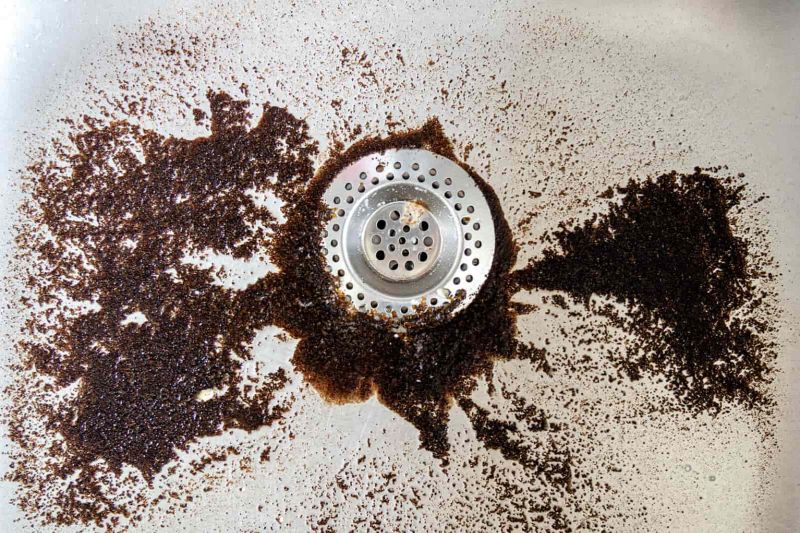
For many, the scent of freshly brewed coffee is the single greatest start to the day. But once you’ve enjoyed that perfect cup, how do you handle the muddy remnants left in the filter? If your answer involves rinsing them quickly down the sink, running the garbage disposal, or sweeping them into the nearest drain, you are participating in one of the most common—and most expensive—kitchen habits known to plumbers. While they may seem soft and harmless, coffee grounds down the drain are a silent killer for your household plumbing system. This seemingly small mistake doesn’t just cause a minor blockage; it can lead to severe, deep-set plumbing clogs that require hundreds of dollars in professional drain cleaning and repairs. We’re breaking down exactly why coffee grounds are plumbing kryptonite, what it costs you in the long run, and the simple, sustainable steps you can take today to prevent sink clogs and protect your home investment.
The Hidden Danger: Why Coffee Grounds Are Plumbing Kryptonite
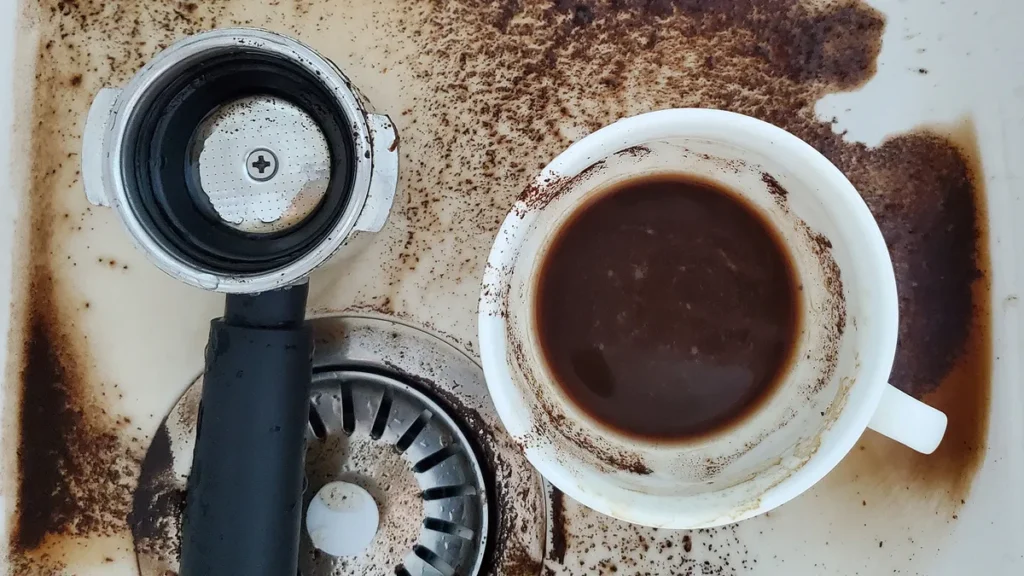
Unlike soft food particles or liquids that dissolve, coffee grounds have a unique density and texture that makes them extremely hazardous to drain lines.
1. The Sludge Effect
Coffee grounds don’t dissolve in water. They are fine, granular particles that aggregate quickly. As they travel through your pipes, they inevitably meet other substances already present in the system, such as cooking grease, soap scum, hair, and mineral deposits.
When these elements combine, the coffee grounds act as a potent binding agent. They create a thick, dense concrete-like sludge that adheres to the interior walls of your pipes. This material builds up slowly over months or years, effectively choking the flow of water.
2. The Narrowing Pipes
Most residential plumbing systems, especially in older homes, utilize narrow pipes with multiple bends and turns (P-traps and deep bends). These tight spots are where the coffee sludge accumulates first, restricting the diameter of the pipe until water can no longer pass freely. Once that happens, you have a slow drain that quickly escalates into a complete blockage requiring professional intervention.
The Myth of the Garbage Disposal: A False Sense of Security
Many homeowners believe their garbage disposal is the perfect solution for disposing of small amounts of coffee grounds. This is a costly misconception.
While a disposal is designed to handle certain food scrapes, it cannot pulverize coffee grounds into a fluid that safely washes away. Instead, the blades simply push the grounds into the drain line where they mix with grease and oils.
Furthermore, routinely grinding hard, non-food items like coffee grounds can cause premature wear and tear on the disposal’s motor and grinding rings. This can lead to a damaged unit, requiring replacement—adding another significant expense to your hidden plumbing costs.
Key takeaway: The garbage disposal is a convenience tool, not a plumbing hazard disposal unit. Never treat it as such, especially with granular materials.
The Cost Breakdown: Why You Need a Plumber
If you’ve been rinsing grounds down the sink for years, you are likely sitting on a ticking plumbing time bomb. When that inevitable clog finally sets in, you are looking at significant financial stress.
1. Drain Cleaning Costs
A typical, localized kitchen sink clog that can be resolved with a simple snake can still cost between $150 and $300 for a professional service call. If the clog is severe and deep, requiring a specialized tool like a hydro-jetting machine to break up the coffee-and-grease sludge, the costs escalate dramatically. Hydro-jetting services often start at $400 and can easily exceed $600.
2. Emergency Surcharges
Plumbing emergencies rarely happen during business hours. If your drain backs up completely on a weekend or holiday, you will pay a steep emergency call-out fee, pushing your total repair bill well over $700.
3. Structural Damage
In severe cases where the blockage causes water to back up and overflow, you face additional costs related to water damage remediation, including replacing drywall, flooring, or cabinets.
When you factor in the high cost of professional drain cleaning, simply disposing of coffee grounds incorrectly becomes one of the most expensive habits in your kitchen.
Easy Fixes: 4 Smart Ways to Dispose of Coffee Grounds Safely
Protecting your pipes doesn’t require complex machinery or harsh chemicals. It simply requires changing the disposal routine. Here are four safe and sustainable methods for handling your coffee waste:
1. Use the Trash Bin
The simplest solution is the best. Once the grounds have cooled, scrape them directly into your compost bin, or, if composting isn’t an option, into an old plastic bag and place them in the regular trash.
2. The Compost Solution
Coffee grounds are one of the best “green” additions to any compost pile. They are rich in nitrogen, which is excellent for creating nutrient-dense soil.
3. Coffee Grounds for the Garden (Bonus Tip)
Don’t have a full compost system? Coffee grounds make an excellent natural, slow-release fertilizer. Spread dried grounds directly into your garden beds to enrich the soil, deter pests, and even help neutralize acidic soil (despite popular belief, used grounds are actually close to pH neutral). They are also a favorite source of food for earthworms!
4. Wait for the Grounds to Dry
If you are dealing with a large batch, spread the grounds on an old baking sheet or layer of newspaper to dry fully before bagging them up. This prevents mold and makes them easier to handle.
When to Call the Professionals
If you are already experiencing signs of a slow drain—gurgling sounds, standing water in the sink after washing dishes, or foul odors—it’s highly likely that accumulated coffee sludge or grease has already begun to narrow your pipes.
Do not attempt to push the clogs further down the line with harsh chemical drain cleaners, as these can actually damage pipes and pose a health risk.
Instead, a professional plumber can utilize specialized inspection cameras and tools, such as the hydro-jetter, to safely and completely clear the blockage without damaging your pipes. Investing in preventive professional drain cleaning now is far cheaper than dealing with a plumbing disaster later.
To ensure your plumbing system is running efficiently and to avoid the hundreds of dollars in repair costs associated with coffee grounds, contact a professional plumbing service today.
 Carly
Carly  Kayla Baptiste
  Christy Jernigan