How to Keep Your Christmas Inflatables from Blowing Away
7 min read
1284 words
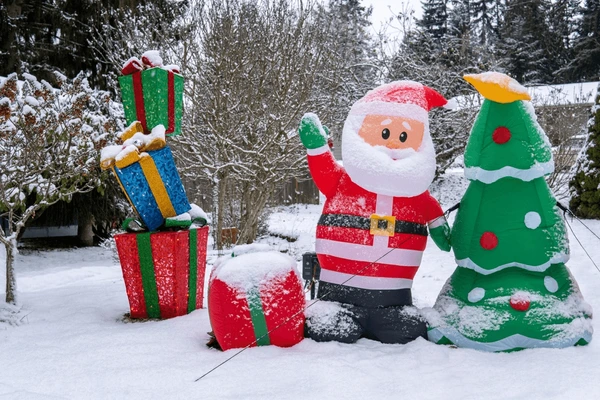
Christmas inflatables can bring plenty of holiday cheer to your front yard. From towering Santas and cheerful snowmen to playful reindeer and festive elves, these decorations are a fun way to make your home feel ready for the season. However, there is one problem many homeowners know all too well: a strong winter gust can send an inflatable tumbling across the yard or, worse, into a neighbour’s property.
Because Christmas inflatables are lightweight and filled with air, they can catch the wind much like a sail. Even decorations that appear secure on a calm day may shift or tip when the weather changes. Fortunately, a few simple precautions can help keep your holiday display in place and reduce the risk of damage.
If you want your Christmas decorations to stay where you put them, here are some practical ways to secure your inflatables.
Why Do Christmas Inflatables Blow Away?
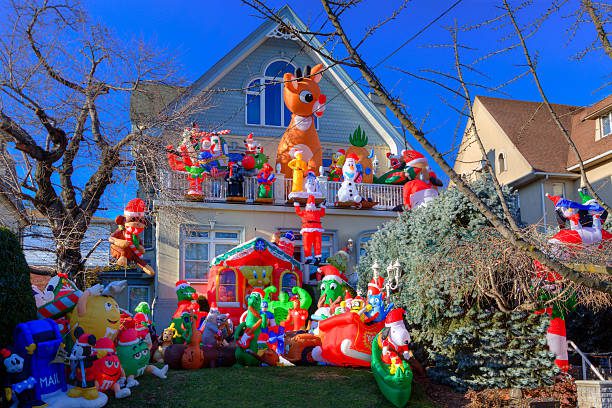
Christmas inflatables are designed to be lightweight so they can be easily set up, packed away and stored between seasons. Unfortunately, that same lightweight construction makes them vulnerable to strong winds.
Large inflatables can catch considerable wind, particularly when they have wide bodies, tall shapes or loose fabric. If the stakes are not firmly secured, the decoration may lean, shift or become completely dislodged.
Placement also matters. An inflatable positioned in the middle of an open lawn may be exposed to stronger gusts than one placed in a more sheltered area. Worn attachment loops, loose ropes and damaged stakes can make the problem worse.
Understanding these factors is the first step toward creating a more secure Christmas display.
1. Use Strong, Secure Ground Stakes
Most Christmas inflatables come with plastic stakes, but these may not provide enough support for larger decorations or exposed locations. If your inflatable tends to move around in the wind, consider using sturdier stakes designed for outdoor use.
Metal landscape or tent stakes can provide a stronger hold in suitable soil. Choose a length and style appropriate for your ground conditions and the size of the decoration. Always follow the manufacturer’s instructions for securing the inflatable.
Where possible, use all the designated ground attachment points around the base. Spreading the anchoring points helps distribute the tension and reduces the chance of one side lifting or shifting.
When installing stakes, make sure they are firmly embedded and positioned so the attachment ropes pull securely against the ground. Avoid placing them where someone could trip over them, particularly near walkways.
2. Add Weight to the Base
Adding weight to the bottom of an inflatable can help improve its stability. Some decorations include pockets specifically designed for sandbags or other weights. If yours does, use them according to the manufacturer’s instructions.
Small sandbags can provide useful ballast, especially for larger inflatables that have a tendency to move in gusty conditions. If the decoration does not have built-in weight pockets, check whether the manufacturer recommends another way to add weight safely.
Avoid placing heavy objects directly against the fan, electrical connections or fabric. Weights should not block airflow or create pressure that could damage the material. Keep them positioned securely so they cannot shift or become a tripping hazard.
3. Secure Larger Inflatables with Guy Ropes
Taller or wider Christmas inflatables may benefit from additional support using guy ropes. These ropes help prevent a decoration from leaning or tipping when the wind pushes against it.
Start by checking whether your inflatable has designated attachment loops higher up on the decoration. If it does, use these points with suitable outdoor rope and secure the other ends to firmly anchored stakes.
Position the ropes so they provide support from different directions. They should be snug enough to help stabilize the inflatable without pulling the fabric out of shape or putting excessive strain on the attachment points.
Avoid tying ropes around areas that are not designed to support tension. Improvised attachments can tear the material, particularly when the inflatable moves in strong winds. Check the ropes regularly to make sure they remain secure.
4. Choose a Sheltered Location
Where you place your Christmas inflatables can make a difference in how well they withstand the wind. An open lawn may look like the perfect place for a large Santa or snowman, but it can leave the decoration exposed to gusts from several directions.
Consider positioning your display in a more sheltered part of your yard. A location near a sturdy fence, the side of your house or established shrubs may offer some protection, depending on the direction of the wind.
Before setting up your decorations, take a few minutes to observe how the wind moves through your yard. Avoid placing inflatables where they could be pushed against fences, trees, sharp landscaping features or other objects that might damage the fabric.
Make sure the location also allows for safe access to the electrical outlet and keeps cords away from areas where people walk.
5. Check the Weather Before Inflating Your Decorations
Even a well-secured inflatable has its limits. Winter weather can change quickly, so keep an eye on the forecast throughout the holiday season.
If strong winds or severe weather are expected, deflate your decorations and store them until conditions improve. This is often the safest way to prevent an inflatable from being damaged or becoming airborne.
Heavy snowfall and ice can also place additional strain on the fabric and support points. Remove accumulated snow when it is safe to do so, following the manufacturer’s care instructions.
It is also worth checking your display after a storm or particularly windy night. Stakes can loosen, ropes can shift and decorations may need to be repositioned before being used again.
6. Inspect Your Inflatables Before Setting Them Up
Before bringing out your Christmas decorations, take a few minutes to inspect them. Look for small tears, holes, damaged seams and worn attachment loops. Even minor damage can affect how well an inflatable holds its shape or stays secured.
Check the stakes, ropes and other anchoring accessories as well. Replace bent or damaged stakes, frayed ropes and broken clips rather than relying on equipment that may fail when the wind picks up.
It is also important to inspect the electrical cord, fan and connections. Follow the manufacturer’s instructions for outdoor use, and only use suitable outdoor-rated electrical equipment. Keep plugs and connections protected from moisture as directed by the manufacturer.
A little maintenance before installation can help prevent problems once your Christmas display is up.
7. Know When to Turn Off and Deflate Your Inflatables
It can be tempting to leave Christmas inflatables running throughout the night, but they should not be left operating in weather conditions that exceed the manufacturer’s recommendations.
Check the instructions for guidance on wind limits, operating temperatures and outdoor use. If the weather becomes too severe, switch off and unplug the decoration before deflating it, provided it is safe to do so.
Never leave an inflatable running if its fan or electrical connections are exposed to unsafe conditions. Proper storage during severe weather can help protect your decoration and extend its useful life.
Keep Your Christmas Display Secure and Enjoy the Season
Christmas inflatables add a cheerful touch to outdoor holiday decorating, but they need a little extra attention when winter weather arrives. Using suitable stakes, adding appropriate weight, securing larger decorations with guy ropes and choosing a sheltered location can all help keep your display in place.
Remember to inspect your decorations before setting them up and check them periodically throughout the season. Most importantly, don’t hesitate to deflate and store them when strong winds or severe weather are expected.
With a little preparation, you can enjoy your favourite Christmas inflatables without worrying about finding Santa halfway down the street after the next winter storm.