
8 min read
1568 words
Imagine feeling energetic after a satisfying meal, only to suddenly experience a profound dip in energy, accompanied by shakiness, a racing heart, and intense hunger. This unsettling phenomenon is often a hallmark of rebound hypoglycemia, a lesser-known but surprisingly common blood sugar fluctuation. distinct from the hypoglycemia experienced by individuals with diabetes due to insulin imbalances, rebound hypoglycemia occurs when the body overreacts to a rapid rise in blood sugar, leading to an overshoot in insulin production that then drives glucose levels too low. It’s a physiological “rollercoaster” that can leave individuals feeling confused, anxious, and significantly unwell. Understanding its causes, recognizing its symptoms, and implementing effective management strategies are crucial steps in regaining control over your body’s energy balance.
What Causes Rebound Hypoglycemia?
Rebound hypoglycemia, also known as reactive hypoglycemia or postprandial hypoglycemia, primarily stems from the body’s insulin response to a rapid influx of glucose. When you consume a meal, particularly one rich in simple carbohydrates or sugars, your blood glucose levels quickly rise. In response, your pancreas releases insulin, a hormone designed to help cells absorb glucose from the bloodstream, thus lowering blood sugar. However, in individuals prone to rebound hypoglycemia, the pancreas may produce too much insulin, or release it too slowly for the initial glucose surge, leading to an excessive drop in blood sugar a few hours after eating. This overcompensation is the core mechanism.
Several factors can contribute to this exaggerated insulin response:
- High Glycemic Index Meals: Foods high in refined carbohydrates and simple sugars (e.g., white bread, sugary drinks, pastries, white rice) are rapidly digested and absorbed, causing a dramatic spike in blood sugar. This sudden spike triggers a strong, sometimes excessive, insulin release.
- Meal Size and Composition: Large meals, especially those heavily skewed towards carbohydrates, can overwhelm the body’s normal regulatory mechanisms. The sheer volume of incoming glucose can lead to an overzealous insulin response.
- Skipping Meals: Crucially, rebound hypoglycemia, which is a drop in blood sugar that occurs after a period of high blood sugar, can also be triggered by skipping meals, particularly if you’ve eaten a large meal or a meal high in carbohydrates. If you consume a substantial, carb-heavy meal and then skip your next scheduled meal, your body might still have elevated insulin levels circulating from the previous meal, expecting more incoming glucose. Without that glucose, these elevated insulin levels aggressively lower your already dwindling blood sugar, leading to a crash.
- Insulin Sensitivity: Individual differences in insulin sensitivity play a role. Some people may be more sensitive to insulin’s effects, meaning a smaller amount of insulin produces a greater drop in blood sugar.
- Fast Gastric Emptying: In some conditions, such as after certain types of bariatric surgery, food moves very quickly from the stomach into the intestines. This rapid absorption of carbohydrates can lead to a sudden glucose spike and subsequent insulin overproduction.
- Adrenal Fatigue/Stress: Chronic stress can impact the adrenal glands, which produce hormones like cortisol that help regulate blood sugar. Dysregulation in these hormones can sometimes contribute to blood sugar instability.
- Pre-diabetes or Insulin Resistance: Paradoxically, individuals with early stages of insulin resistance or pre-diabetes might experience reactive hypoglycemia. Their cells struggle to absorb glucose efficiently, so the pancreas produces even more insulin to compensate. This persistent high insulin can then cause blood sugar to plummet.
- Certain Medications: Rarely, some medications can influence blood sugar regulation, making individuals more susceptible to these fluctuations.
Identifying the specific triggers for an individual often requires careful observation of diet, activity, and symptoms.
How Does Rebound Hypoglycemia Feel?

The experience of rebound hypoglycemia can be quite distressing, mimicking many of the classic symptoms of low blood sugar. These symptoms typically emerge one to four hours after a meal, often after an initial period of feeling well or even a bit “wired” from the sugar surge. The onset can feel sudden, like hitting a wall, and the symptoms can range from mild discomfort to severe physical and cognitive impairment.
Common symptoms include:
- Shakiness and Trembling: An internal or external tremor, often noticeable in the hands. This is one of the most common early signs.
- Sweating (Clamminess): Cold sweats, even in a comfortable environment, are a classic symptom.
- Rapid Heartbeat (Palpitations): Your heart might feel like it’s pounding or racing, increasing anxiety.
- Intense Hunger (Gnawing Hunger): A sudden, overwhelming urge to eat, often described as a desperate feeling, distinct from normal hunger.
- Dizziness and Lightheadedness: A sensation of unsteadiness or feeling faint.
- Headache: A dull ache or throbbing sensation, which can sometimes be quite severe.
- Anxiety and Nervousness: An inexplicable feeling of dread, unease, or panic.
- Confusion and Difficulty Concentrating: Your thoughts might become muddled, and you may struggle to focus on tasks or follow conversations.
- Irritability and Mood Swings: You might become unusually short-tempered, emotional, or tearful.
- Weakness and Fatigue: A sudden and profound loss of energy, making even simple movements feel exhausting.
- Blurred Vision: Temporary difficulty focusing your eyes.
- Tingling or Numbness: A pins-and-needles sensation, often around the mouth or in the extremities.
In more severe cases, or if left unaddressed, symptoms can progress to disorientation, slurred speech, clumsiness, and in rare instances, loss of consciousness or seizures. The feeling is often described as a “crash” and can significantly impact daily activities and quality of life. Many individuals report a profound sense of panic or fear during an episode, particularly as they learn to associate certain meals or situations with its onset. The unpredictable nature of these episodes further contributes to anxiety, making it crucial to understand how to manage them effectively.
How to Manage Rebound Hypoglycemia
Managing rebound hypoglycemia involves both immediate treatment of acute episodes and long-term preventive strategies focused on dietary and lifestyle adjustments. The goal is to stabilize blood sugar levels and prevent the dramatic spikes and subsequent crashes that define this condition.
Immediate Treatment (When an Episode Occurs):
If you feel the symptoms of rebound hypoglycemia, the most immediate step is to consume fast-acting carbohydrates.
- The “Rule of 15”: Consume 15 grams of fast-acting carbohydrates. Examples include:
- 3-4 glucose tablets
- Half a cup (4 ounces) of fruit juice (apple, orange, grape)
- Half a can of regular (not diet) soda
- 1 tablespoon of honey or sugar
- 5-6 pieces of hard candy (not chocolate, as fat slows absorption).
- Wait and Recheck: After consuming the carbohydrates, wait 15 minutes and recheck your blood sugar if you have a monitor. If symptoms persist or blood sugar remains low (below 70 mg/dL or 3.9 mmol/L), repeat the 15-gram carbohydrate intake.
- Follow with a Balanced Snack/Meal: Once your blood sugar has stabilized, consume a small, balanced snack containing both carbohydrates and protein (e.g., whole-grain crackers with peanut butter, a piece of fruit with a handful of nuts) to prevent another immediate drop. Avoid overeating or consuming another large dose of simple sugars, as this can restart the cycle.
Long-Term Prevention Strategies:
Preventing rebound hypoglycemia is a lifestyle commitment centered on consistent and balanced nutrition.
- Embrace Balanced Meals: Focus on meals that combine complex carbohydrates, lean proteins, healthy fats, and fiber. This combination slows down glucose absorption, preventing rapid spikes and subsequent crashes.
- Complex Carbohydrates: Choose whole grains (oats, brown rice, quinoa, whole-wheat bread), legumes, and starchy vegetables.
- Lean Proteins: Include chicken, fish, eggs, beans, lentils, and lean cuts of meat.
- Healthy Fats: Incorporate avocados, nuts, seeds, and olive oil.
- Fiber: Found in fruits, vegetables, and whole grains, fiber significantly slows down sugar absorption.
- Avoid Refined Sugars and Simple Carbs: Significantly limit or eliminate sugary drinks, candies, pastries, white bread, and other highly processed foods that cause rapid blood sugar spikes.
- Eat Smaller, More Frequent Meals: Instead of three large meals, consider 4-6 smaller, balanced meals or snacks throughout the day. This keeps blood sugar levels more stable.
- Don’t Skip Meals, Especially After Heavy Ones: As highlighted earlier, skipping meals, particularly after a large, carbohydrate-rich one, can exacerbate rebound hypoglycemia. Consistent meal timing is key.
- Pair Carbs with Protein and Fat: Always eat carbohydrates as part of a meal that includes protein and/or healthy fats. For example, instead of just an apple, have an apple with a handful of almonds or a slice of cheese. This pairing reduces the glycemic impact of the carbohydrates.
- Stay Hydrated: Drinking plenty of water is essential for overall metabolic health and can help stabilize blood sugar levels.
- Regular Physical Activity (with caution): Exercise can improve insulin sensitivity. However, intense exercise can sometimes lower blood sugar. If you experience rebound hypoglycemia, discuss with a doctor how to safely incorporate exercise, potentially adjusting pre- or post-workout snacks.
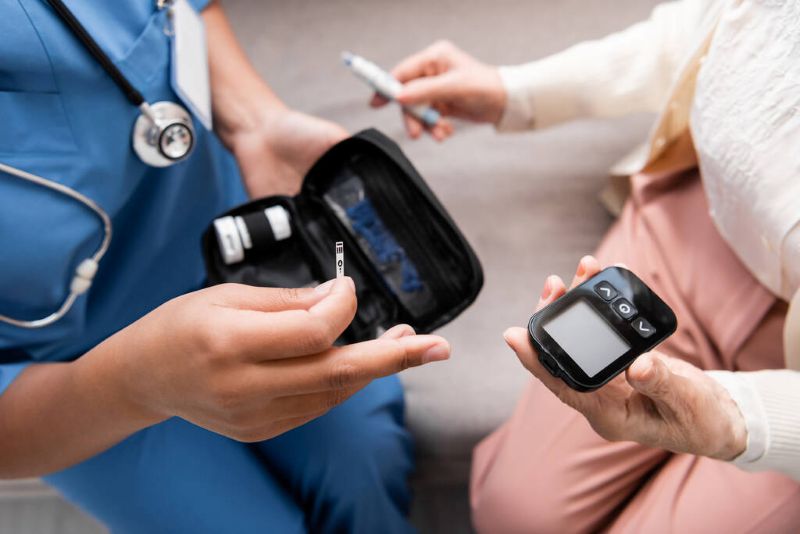
- Monitor Blood Sugar (if advised): If you have a glucometer, periodically checking your blood sugar when symptoms occur, and tracking it after different types of meals, can help you identify your personal triggers and patterns.
- Consult a Healthcare Professional:
- Diagnosis: If you suspect you have rebound hypoglycemia, consult your doctor. They can rule out other conditions and may perform tests like a glucose tolerance test.
- Dietitian Referral: A registered dietitian can provide personalized meal plans and guidance on how to structure your diet to prevent episodes.
- Medication Review: If you are on any medications, discuss them with your doctor, as some might contribute.
By adopting these comprehensive strategies, individuals can significantly reduce the frequency and severity of rebound hypoglycemia episodes, leading to greater energy stability, improved mood, and a better quality of life. It’s about learning to work with your body’s natural rhythms rather than against them.
 Kim Monroe
  Hailey Reynolds