The Role Preventive Care Plays in Long-Term Well-being
5 min read
988 words
Many people only seek medical or dental care when something feels wrong. A tooth begins to hurt, blood pressure becomes a concern, or a health symptom appears that can no longer be ignored. While treating problems when they arise is important, relying only on reactive care can allow small issues to become more serious, complicated, and costly over time. Preventive care takes a different approach. Instead of waiting for symptoms, preventive healthcare focuses on identifying potential concerns early and taking steps to protect your health before problems develop.
Regular checkups, health screenings, vaccinations, dental visits, and healthy lifestyle choices all play an important role in maintaining long-term well-being. Preventive care not only helps reduce the risk of chronic illness but can also improve quality of life, increase independence as we age, and provide peace of mind.
What Is Preventive Care?
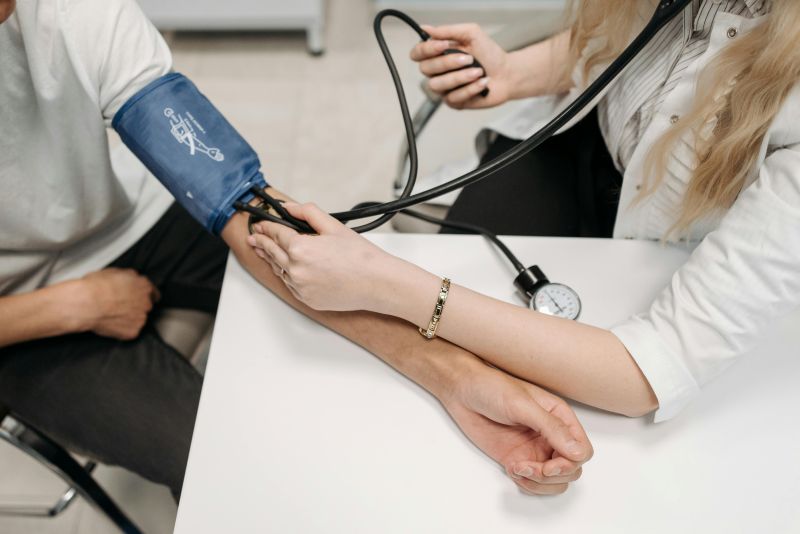
Preventive care refers to healthcare services and lifestyle practices designed to prevent disease, detect health concerns early, and support overall wellness.
Examples of preventive care include:
• Regular medical checkups
• Routine dental examinations and cleanings
• Blood pressure and cholesterol monitoring
• Cancer screening tests
• Immunizations and vaccinations
• Diabetes screenings
• Nutrition and fitness guidance
• Mental health check-ins
The goal of preventive care is to identify risk factors before they develop into serious health conditions.
For example, discovering elevated blood sugar levels early can allow someone to make lifestyle changes and receive appropriate guidance before developing diabetes. Similarly, monitoring blood pressure can help reduce the risk of complications such as heart disease, stroke, and kidney problems.
Why Preventive Care Is Important
Many serious health conditions develop gradually and may not cause noticeable symptoms in their early stages. A person may feel healthy while a condition is quietly progressing.
Regular preventive care allows healthcare providers to:
• Identify warning signs early
• Monitor changes in health over time
• Provide treatment before conditions worsen
• Recommend lifestyle changes that reduce health risks
Early detection often means more treatment options, better outcomes, and a faster recovery.
Preventive care is especially important as people get older because the risk of certain chronic conditions increases with age. Regular appointments provide an opportunity to review medications, discuss concerns, update screenings, and maintain overall health.
Benefits Beyond the Doctor’s Office
The benefits of preventive care extend far beyond medical appointments. Taking a proactive approach to health can positively affect emotional well-being, daily energy levels, productivity, and financial stability.
For example, identifying high blood pressure early can help prevent serious complications such as heart attacks and strokes. Detecting health concerns before they become emergencies can also reduce hospital visits and expensive treatments.
Preventive dental care provides similar benefits. Regular dental cleanings, fluoride treatments, and examinations allow dentists to identify early signs of cavities, gum disease, and other oral health concerns before they require more invasive procedures.
Visiting a trusted provider such as 5 Star Dental Group ensures patients receive professional care focused on maintaining healthy teeth and gums throughout life.
The Connection Between Oral Health and Overall Health
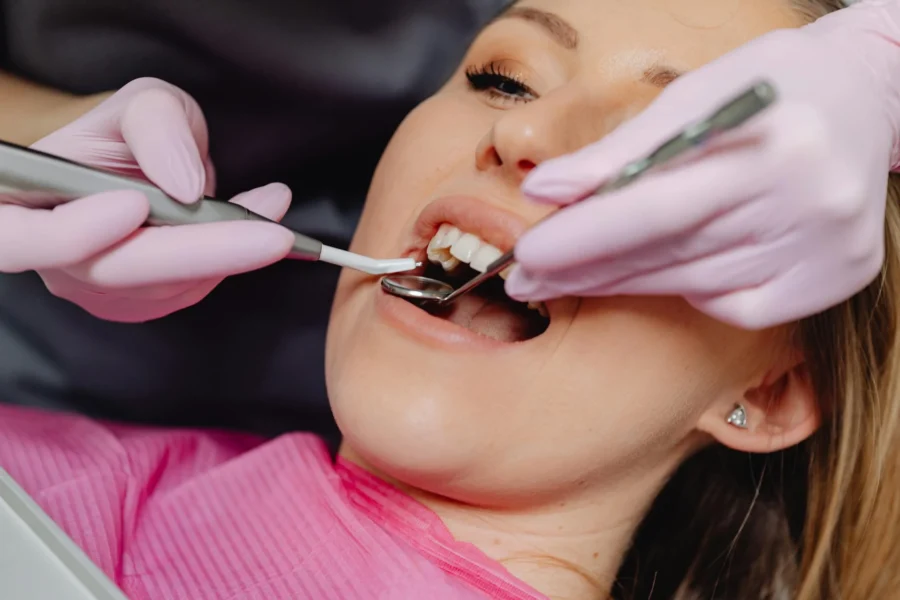
Many people think of dental care as separate from general healthcare, but oral health is closely connected to overall wellness.
Poor oral health can contribute to discomfort, difficulty eating, and reduced confidence. In some cases, untreated gum disease and infections may also affect other areas of the body.
Preventive dental care includes:
• Regular dental exams
• Professional cleanings
• Fluoride treatments when recommended
• Daily brushing and flossing
• Addressing problems before they become serious
Maintaining a healthy smile is not only about appearance. It is an important part of protecting overall health.
Preventive Care and Lifestyle Choices
Preventive healthcare does not only happen in a doctor’s office or dental clinic. Everyday choices have a powerful impact on long-term health.
Important lifestyle habits include:
• Eating a balanced, nutrient-rich diet
• Staying physically active
• Getting enough quality sleep
• Managing stress
• Avoiding tobacco products
• Limiting excessive alcohol consumption
• Maintaining good oral hygiene
These habits support the immune system, improve energy levels, strengthen the body, and reduce the risk of many chronic diseases.
For example, a heart-healthy diet combined with regular exercise can help lower the risk of cardiovascular disease. Likewise, brushing twice daily, flossing, and attending regular dental appointments help prevent cavities and gum problems.
The Cost of Neglecting Preventive Care
When preventive care is ignored, health problems may go unnoticed until they become more difficult and expensive to treat.
Delayed care can result in:
• More complex medical procedures
• Increased healthcare costs
• Longer recovery periods
• Missed work or daily activities
• Reduced quality of life
According to the CDC, chronic diseases related to preventable risk factors account for a significant portion of healthcare spending in the United States.
Dental care is another area where prevention can make a major difference. Skipping regular appointments may allow minor issues to progress into advanced gum disease, tooth loss, infections, and the need for extensive dental procedures.
Regular maintenance is usually easier, less expensive, and more comfortable than treating advanced problems.
Preventive Care at Every Stage of Life
Preventive care is important at every age.
Children benefit from:
• Vaccinations
• Dental visits
• Healthy eating habits
• Developmental screenings
Adults benefit from:
• Routine physical exams
• Health screenings
• Stress management
• Lifestyle support
Older adults benefit from:
• Medication reviews
• Fall prevention strategies
• Chronic disease monitoring
• Maintaining mobility and independence
Healthcare needs change throughout life, but prevention remains an important part of staying healthy.
A Commitment to Lifelong Health
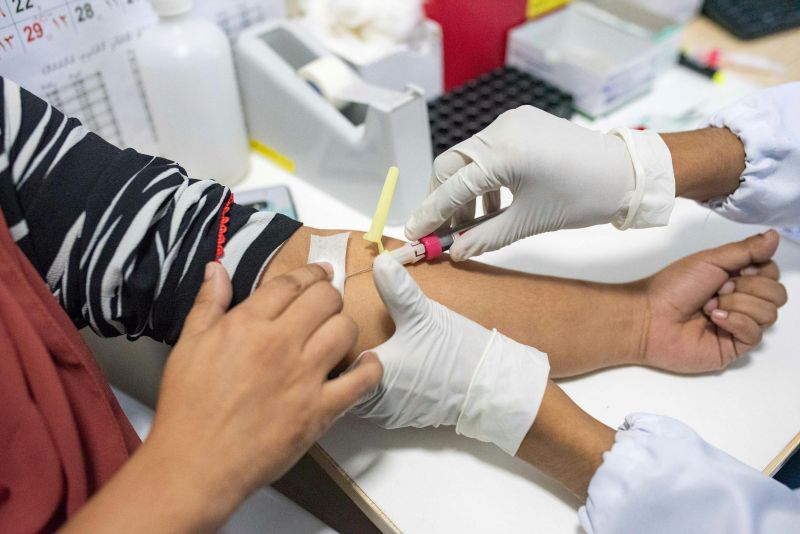
Preventive care is an investment in your future. By making regular healthcare visits and healthy habits a priority, individuals can take an active role in protecting their well-being.
Whether it is scheduling an annual physical, attending regular dental cleanings, completing recommended screenings, or making healthier daily choices, small actions can create lasting benefits.
Taking care of your health does not have to involve major changes all at once. Preventive care begins with simple, consistent steps and the support of trusted healthcare professionals.
It is never too late to start prioritizing your health. The choices you make today can help create a healthier tomorrow.