
6 min read
1063 words
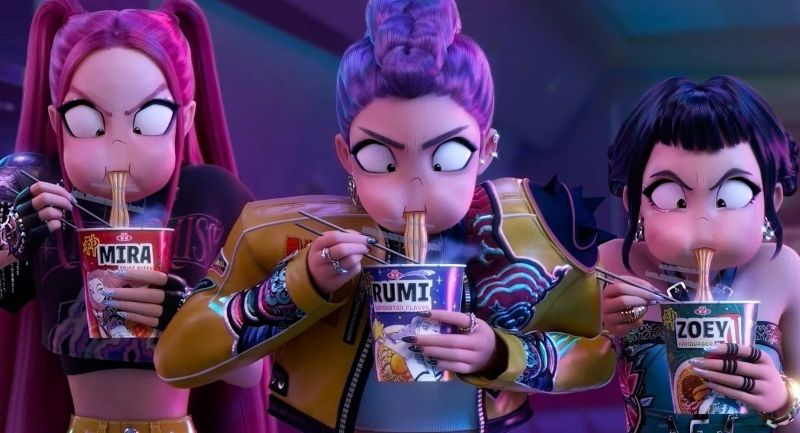
The animated Netflix film K-Pop Demon Hunters has become a bona fide cultural phenomenon, captivating kids and adults alike with its vibrant animation, catchy soundtrack, and thrilling storyline. As with any major hit, its influence has spilled over into the real world, most notably boosting the popularity of K-pop culture and its associated snacks. Store shelves at places like Showcase can barely keep the movie’s branded Nongshim Shin Ramyun K-Pop Demon Hunters noodles in stock as fans flock to taste the same food their on-screen heroes enjoy. This connection between fans and their favorite characters is usually a harmless, fun part of pop culture. However, a new TikTok trend inspired by the film is prompting serious warnings from medical professionals. What starts as a fun tribute to a beloved movie is ending with trips to the emergency room, and it’s a danger that every parent needs to understand.
From Screen to Scalds: The Rise of the #KPopNoodleChallenge
The trend, which has gone viral under hashtags like #KPopNoodleChallenge and #DemonHuntersRamen, seems innocent enough. In the film, the characters are shown enthusiastically slurping down bowls of delicious-looking instant ramen. Fans, particularly younger ones, are now recreating these scenes and posting their own videos on TikTok. The challenge encourages users to eat the steaming hot noodles with the same gusto as the animated demon hunters.
The problem, however, lies in the preparation. Officials at Shriners Children’s Hospital in Boston have issued a press release highlighting a disturbing increase in children receiving treatment for serious burn injuries directly linked to this trend. While the noodles on screen look appetizing, the reality of handling boiling water and unstable noodle cups is proving to be a recipe for disaster.
“Water boils at 212 degrees, and the design of these cups makes them extremely easy to tip over. When they do, the hot broth and noodles spill onto the skin,” warned Dr. Colleen Ryan, an associate surgeon at Shriners Children’s Boston, in a report by The Independent. The scalds caused by this type of accident can be severe, leading to second or third-degree burns that may require hospitalization and skin grafts.
While researchers have identified 8- to 10-year-olds as the group most susceptible to the influence of viral challenges, Dr. Ryan notes that the hospital is treating a wide range of ages for these preventable injuries. The allure of participating in a trend and earning social media validation is powerful, often causing children to overlook basic safety precautions.
The Sobering Statistics Behind Instant Noodle Injuries

This isn’t a new or isolated problem; the #KPopNoodleChallenge has simply amplified a long-standing household danger. A landmark study from the University of Chicago brought the risk into sharp focus, finding that a staggering 31% of all childhood scald admissions were caused by instant noodles.
Perhaps even more concerning is that the study found 40% of those burns occurred when the child was alone while preparing the food. Many children, wanting to show their independence, attempt to make the noodles themselves without adult supervision. The combination of boiling water, a flimsy cup, and the coordination of a young child creates a perfect storm for accidents. The tall, narrow design of many instant noodle cups gives them a high center of gravity, making them particularly unstable and easy to knock over, especially when being carried from a microwave or counter to a table.
The viral nature of the #DemonHuntersRamen challenge adds another layer of risk. Children may be rushing to record their video, paying more attention to their phone’s camera angle than to handling a container of scalding liquid, further increasing the likelihood of a spill.
Beyond the Burn: The Hidden Health Risks of Instant Noodles
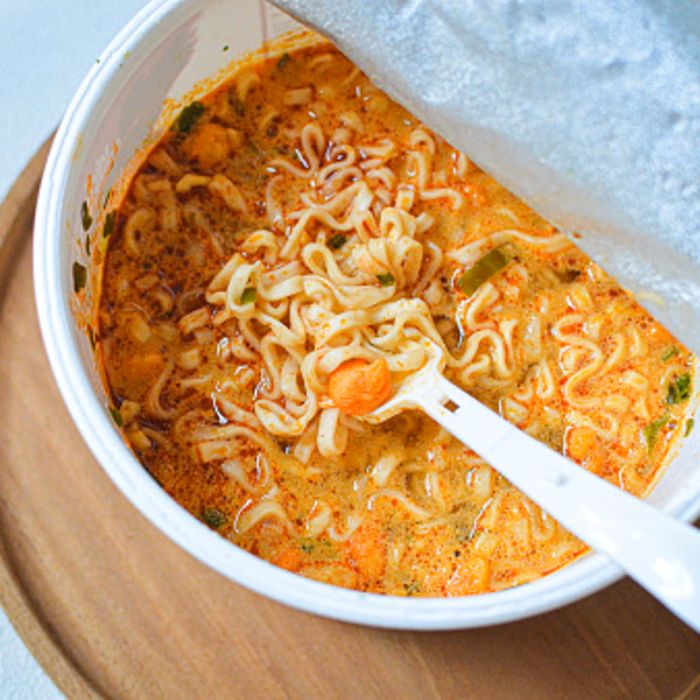
While the immediate threat of a serious burn is the most alarming aspect of this trend, health experts also caution against the long-term consequences of frequent instant noodle consumption. Though they are a convenient and affordable option, they are far from a healthy dietary staple.
A recent Korean study uncovered a strong link between regular consumption of instant noodles and increased risks for major health issues, including diabetes, obesity, and cardiovascular disease. These effects were particularly pronounced in young adults aged 18–29, the very demographic that grew up with instant noodles as a go-to snack. The high sodium content, unhealthy fats, and refined carbohydrates contribute to a range of metabolic problems when eaten frequently.
Furthermore, the packaging itself can pose a health risk. If you opt for cup noodles, the risks increase. Many of these disposable cups are made from styrofoam, a material that can leach a chemical called styrene when exposed to hot water or heated in a microwave. Styrene is a toxic chemical that has been linked to cancer and neurotoxicity. Over time, repeated exposure can contribute to serious health complications, adding a hidden danger to this seemingly simple meal.
A Call for Caution and Conversation
The goal isn’t to demonize a beloved film or a convenient snack but to foster awareness and encourage safety. K-Pop Demon Hunters has brought joy to millions, and enjoying a bowl of ramen can be a perfectly safe activity when done correctly. For parents, this viral trend is a critical opportunity to have an open conversation with their children about the difference between online entertainment and real-world safety.
Here are a few steps families can take:
- Supervise, Supervise, Supervise: Establish a firm rule that only adults can handle boiling water. If a child wants to enjoy instant noodles, an adult should always prepare them.
- Teach Kitchen Safety: Use this as a teaching moment. Explain why the noodle cups are unstable and demonstrate how to handle hot foods safely. Transfer the noodles to a sturdy, wide-bottomed bowl to cool down and reduce the risk of spills.
- Discuss Social Media Dangers: Talk to your kids about viral challenges. Help them develop critical thinking skills to recognize that not every trend is safe or worth replicating, no matter how many “likes” it gets.
- Promote Moderation: Frame instant noodles as a “sometimes food,” not a daily meal. Explain the health reasons for a balanced diet and offer healthier, equally convenient snack alternatives.
Ultimately, the #KPopNoodleChallenge serves as a powerful reminder that behind every viral trend is a real person who can suffer real consequences. By prioritizing open communication and basic household safety, we can ensure that our children can enjoy their favorite movie without becoming another burn statistic.
 Kim Monroe
  Hailey Reynolds