
5 min read
953 words
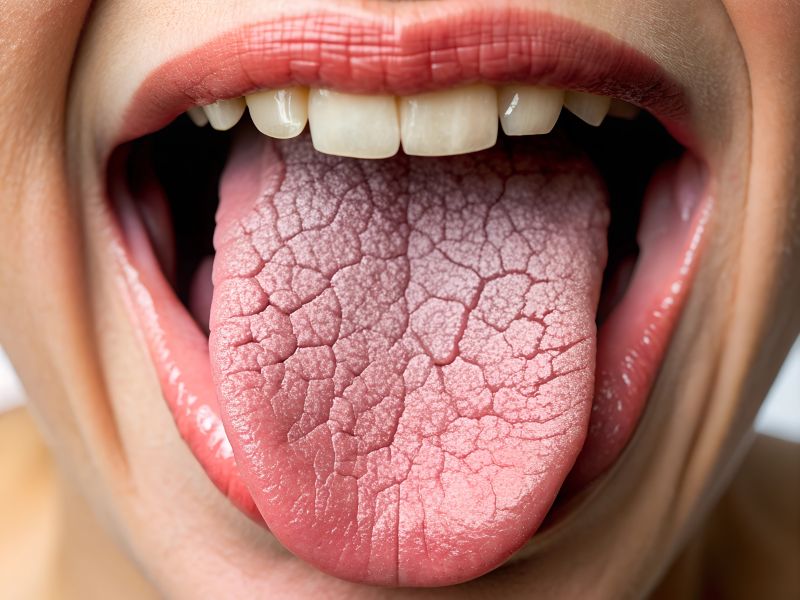
Ever woken up in the middle of the night with a mouth that feels like the Sahara Desert? Or struggled to swallow your food because your mouth just isn’t producing enough moisture? You’re not alone! Dry mouth, medically known as xerostomia, is a surprisingly common issue that can range from a minor annoyance to a significant discomfort, impacting everything from your ability to speak and eat to your overall oral health.
While an occasional dry spell might simply mean you need a glass of water, persistent dry mouth is a sign that your salivary glands aren’t producing enough saliva. Saliva is a true unsung hero of our bodies! It’s not just for making food easier to swallow; it helps digest food, cleanses your mouth, neutralizes acids produced by bacteria, prevents tooth decay, and keeps your gums healthy. When saliva production drops, you might experience a whole host of uncomfortable symptoms, including a sticky, dry feeling in your mouth, difficulty chewing, swallowing, or speaking, a burning sensation in your mouth or throat, cracked lips, a sore throat, changes in your sense of taste, and even bad breath. The good news is, for many, dry mouth is a manageable condition, and there are plenty of ways to find relief.
Why Does My Mouth Feel Like the Sahara? (Common Causes of Dry Mouth)
Before we dive into solutions, let’s explore why your mouth might be feeling parched. Understanding the root cause is often the first step towards finding effective relief.
- Medications: This is by far the most common culprit! Hundreds of over-the-counter and prescription medications list dry mouth as a side effect. Common offenders include antihistamines (for allergies), decongestants, antidepressants, anti-anxiety medications, pain relievers, muscle relaxants, and drugs for high blood pressure, asthma, and Parkinson’s disease. If you’ve recently started a new medication and noticed dry mouth, it’s worth discussing with your doctor.
- Aging: While not a direct cause, the natural aging process can contribute to reduced saliva flow. Older adults often take multiple medications, which compounds the issue.
- Medical Conditions: Certain systemic diseases and conditions can directly affect your salivary glands. These include Sjögren’s syndrome (an autoimmune disorder), diabetes, HIV/AIDS, Alzheimer’s disease, Parkinson’s disease, and even a stroke.
- Cancer Treatment: Chemotherapy can temporarily change saliva production and composition, while radiation therapy to the head and neck can permanently damage salivary glands, leading to severe and chronic dry mouth.
- Lifestyle Factors:
- Dehydration: Simply not drinking enough water throughout the day can lead to a dry mouth.
- Tobacco Use: Smoking or chewing tobacco significantly reduces saliva flow and irritates oral tissues.
- Alcohol Consumption: Alcohol, especially excessive intake, is a diuretic and can dehydrate you, leading to dry mouth.
- Caffeine: Like alcohol, caffeine can have a diuretic effect.
- Mouth Breathing: Chronic mouth breathing, often due to nasal congestion or sleep apnea, causes saliva to evaporate quickly.
- Nerve Damage: Injury or surgery that affects the head or neck area can sometimes damage the nerves that signal the salivary glands to produce saliva.
Pinpointing the cause with your doctor or dentist is crucial, as it can guide the most effective treatment plan.
Simple Sips and Smart Swaps: Home Remedies and Lifestyle Changes

The good news is that many instances of dry mouth can be significantly improved through simple lifestyle adjustments and home remedies. Here’s a friendly guide to getting your mouth feeling moist and comfortable again:
- Hydrate, Hydrate, Hydrate! This might seem obvious, but consistently sipping water throughout the day is key. Keep a water bottle handy and take small sips frequently, rather than chugging large amounts all at once.
- Stimulate Saliva Flow:
- Sugar-Free Gum or Candies: Chewing sugar-free gum or sucking on sugar-free candies (especially those with xylitol) can stimulate saliva production. Xylitol also helps prevent cavities!
- Lozenges: Special dry mouth lozenges are available over-the-counter that contain ingredients to moisten your mouth and stimulate saliva.
- Use a Humidifier: Running a humidifier in your bedroom at night, especially during dry seasons or if you sleep with your mouth open, can help moisten the air and prevent your mouth from drying out.
- Nourish Your Mouth Smartly:
- Choose Moist Foods: Opt for foods with high water content like fruits (melons, berries) and vegetables. Add sauces, gravies, broths, and dressings to your meals to make them easier to chew and swallow.
- Limit Irritants: Reduce or avoid caffeine, alcohol, and very sugary or acidic foods and drinks, as they can further dry out or irritate your mouth.
- Avoid Dry, Salty, or Hard-to-Chew Foods: Crackers, dry toast, salty snacks, and very tough meats can be particularly challenging and uncomfortable.
- Practice Excellent Oral Hygiene:
- Use Alcohol-Free Mouthwash: Many commercial mouthwashes contain alcohol, which can be very drying. Opt for an alcohol-free version specifically designed for dry mouth.
- Fluoride Toothpaste: Using a fluoride toothpaste helps protect your teeth from decay, which is a higher risk with less saliva.
- Regular Dental Check-ups: Visit your dentist frequently. They can monitor your oral health and recommend specific products or treatments.
- Breathe Through Your Nose: If possible, try to breathe through your nose instead of your mouth. If chronic nasal congestion makes this difficult, consult your doctor to address the underlying issue.
If these strategies don’t bring the relief you need, don’t hesitate to reach out to your doctor or dentist. They can prescribe artificial saliva substitutes, special mouth rinses, or even medications that stimulate saliva production. They can also investigate if there’s an underlying medical condition contributing to your dry mouth that needs treatment.
Living with dry mouth can be frustrating, but you don’t have to suffer in silence. By understanding its causes and implementing these friendly tips, you can often find significant relief and improve your oral health and overall comfort. Here’s to a happier, moister mouth!
 Jennifer Williams
  Kim Monroe
  Hailey Reynolds