

8 min read
1585 words
In today’s fast-paced world, ensuring the safety and well-being of our loved ones, especially seniors or adults with disabilities, is of utmost importance. Medical alert systems have emerged as a reliable solution for providing assistance to seniors during emergencies. These systems are designed to help users stay independent and connected to help whenever needed. With a multitude of options available in the market, choosing the right medical alert system can be overwhelming. In this article, we will discuss the best features to look for when selecting a medical alert system.
Why Medical Alert Systems Are a Game-Changer
Before we jump into the nitty-gritty of features, let’s quickly touch on why these systems are so vital. Picture this: your loved one is home alone, they slip and fall, or suddenly feel unwell. What’s the immediate instinct? To call for help. But what if they can’t reach the phone? What if they’re disoriented? This is where a medical alert system steps in.
These devices aren’t just for emergencies, though. They offer incredible peace of mind for both the user and their family. Knowing that there’s a direct link to emergency services, or simply a friendly voice to check in, can significantly reduce anxiety. For many, it’s the key to maintaining their independence and staying in their own home longer, rather than considering alternative living arrangements prematurely. In a country as vast as Canada, with many people living in rural or semi-rural areas, this kind of immediate access to help can be even more critical. It’s about empowering individuals to live life on their own terms, safely and securely.
Must-Have Features for Your Peace of Mind
Okay, now for the good stuff! When you’re sifting through different medical alert systems, certain features stand out as non-negotiables, while others are fantastic bonuses. Let’s walk through them.
The Core: 24/7 Monitoring and Rapid Response
This is the bedrock of any good medical alert system. You need a service that offers 24/7 monitoring, meaning there’s always a live operator ready to respond to an alert, 365 days a year. It’s not just about pressing a button; it’s about connecting to a person who can assess the situation, contact family members, and dispatch emergency services like paramedics or firefighters if needed.
Equally important is rapid response time. When an emergency strikes, every second counts. Look for systems that boast quick connection times to their monitoring centres. While exact times can vary depending on network conditions, a good system should connect you to an operator in less than a minute, often much faster. Ask providers about their typical response metrics – transparency here is a great sign.
Wearability and Ease of Use: It Has to Be Practical!
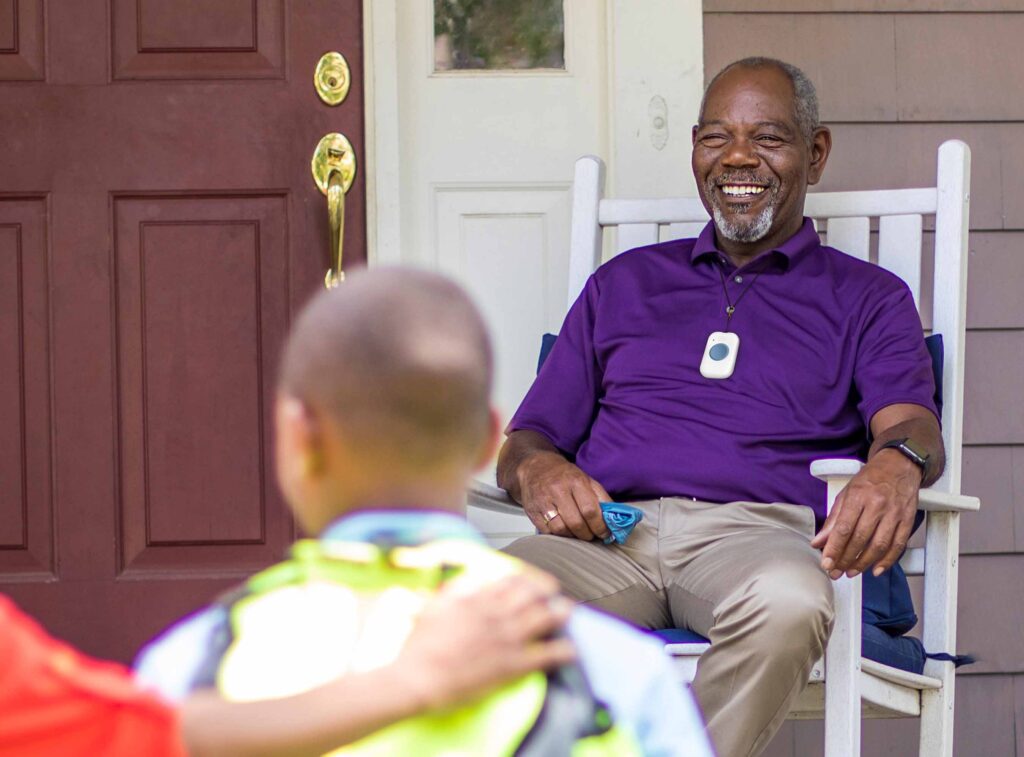
Think about who will be using the device. It absolutely has to be easy to wear and use. Most come as lightweight pendants or wristbands.
- Comfort: Is it comfortable enough to wear all day and night?
- Waterproof: A non-negotiable! Falls often happen in bathrooms or near sinks. The device needs to withstand splashes and showers.
- Simple Button: The help button should be prominent, easy to press (even with limited dexterity), and clearly identifiable. No complicated menus or tiny buttons!
- Two-Way Communication: Can the user speak directly through the pendant or wristband to the monitoring centre? This is huge, especially if they’ve fallen and can’t reach a base unit.
Understanding Automatic Fall Detection
This feature is a real showstopper for many families, and for good reason. Automatic fall detection uses sensors (accelerometers and gyroscopes) within the wearable device to detect sudden changes in movement that indicate a fall. If a fall is detected and the user doesn’t get up or press their button within a short timeframe, an alert is automatically sent to the monitoring centre.
Why is this so great? Because sometimes, after a fall, a person might be unconscious, disoriented, or simply unable to press the button. Fall detection provides an incredible layer of passive protection. It’s important to note that no fall detection system is 100% foolproof – “false alarms” can happen, and sometimes it might miss a very slow fall. However, the benefits far outweigh these minor considerations for many users. If falls are a significant concern, this feature is definitely worth the investment.
On-the-Go Safety: GPS Tracking for Active Lifestyles
For users who are active and love to get out and about, a traditional in-home system might not be enough. This is where mobile medical alert systems with GPS tracking shine. These devices allow users to call for help anywhere they have a cellular signal, not just within range of their home base unit. The GPS tracking means that even if they can’t articulate their location, the monitoring centre can pinpoint them for emergency services.
Think about someone who enjoys walking in the park, gardening, or visiting friends. A mobile unit offers the same peace of mind they get at home, but extends it to their entire life. Be sure to check what cellular network the system uses and its coverage in your area.
Battery Life and Range: Practical Considerations
For in-home systems, consider the range of the wearable device from the base unit. Can the user wear it in the garden, or on the porch, and still be connected? A good range ensures coverage throughout the home and immediate surroundings.
For mobile units, battery life is key. You don’t want a device that constantly needs charging. Look for systems that offer several days of battery life on a single charge, and ideally, have a charging cradle that makes it easy for the user to pop it in nightly without fuss.
Customer Service, Cost, and Contracts

Don’t overlook the practicalities:
- Customer Service: How easy is it to get support? Is there a Canadian-based contact number? Read reviews about their responsiveness.
- Cost: Understand the pricing structure. Is it a monthly fee? Are there activation fees? Do you buy the equipment outright or rent it?
- Contracts: Are you locked into a long-term contract, or can you pay month-to-month? Flexibility is often a good thing.
- Installation: Is it a simple DIY setup, or does it require professional installation? Most modern systems are designed for easy self-setup.
LifeLine in the Canadian Landscape: What They Bring to the Table
Now, let’s talk about LifeLine. Chances are, you’ve heard the name – it’s been a prominent player in the medical alert system market for decades, and they have a strong presence here in Canada. LifeLine is often seen as a reliable and established choice, known for its professional approach and comprehensive service.
When you look at LifeLine’s offerings, you’ll find that they pretty much tick all the boxes we’ve discussed. They provide:
- 24/7 Monitoring: Their response centres are staffed around the clock by trained professionals who can quickly assess situations and dispatch help.
- Variety of Systems: They offer both in-home systems (like HomeSafe, which connects through a traditional landline or cellular service) and mobile systems (like On The Go, which includes GPS and fall detection for active users).
- Automatic Fall Detection: This is a key feature available with many of their devices, providing that extra layer of security.
- Waterproof Pendants: Their wearables are designed to be worn in the shower, where many falls occur.
- Two-Way Communication: Their systems usually allow direct voice communication with the monitoring centre through the base unit or mobile device.
- Reputation and Experience: With decades in the business, they’ve built a solid reputation for reliability and quality service. Their Canadian operations mean local understanding and support.
One of the big draws for LifeLine is their long-standing trust and recognition. For many, choosing a company with such a track record offers an extra layer of reassurance. They often emphasize their clinically proven processes and their connection to the healthcare community, which can be an important factor for families.
Making the Right Choice: Tailoring a System to Your Needs
So, how do you pull all this information together and pick the perfect system? It really comes down to a few key questions:
- Who is it for, and what are their specific needs? Are they primarily home-bound, or are they out and about frequently? Do they have a history of falls, or a condition that might lead to falls? Is dexterity an issue?
- What’s the budget? Be realistic about what you can afford, and make sure you understand all the costs involved. Sometimes, paying a little more for a feature like fall detection is a worthwhile investment.
- What’s the living situation? Do they have a landline? Is cell service reliable in their home and typical outdoor areas?
Don’t be afraid to try out a system if there’s a trial period. Involve the person who will be using the system in the decision-making process. Their comfort level and willingness to wear the device are paramount. Ultimately, the best medical alert system is the one that gets used consistently and provides the most comprehensive sense of safety and independence.
The Ultimate Peace of Mind
Investing in a medical alert system is more than just buying a device; it’s investing in peace of mind. It’s about knowing that if an unexpected emergency arises, help is not just a phone call away, but a button-push away. For Canadians looking to support their loved ones in maintaining their independence and safety at home, or for those proactively managing their own health, these systems are an invaluable tool. They bridge the gap between needing immediate help and getting it, ensuring that everyone can live their lives with a greater sense of security and freedom.
 Carly
Carly  Kim Monroe
  Kayla Baptiste
Lifeline boasts a ‘fall alert’ device. Unfortunately the device does not alert many falls, unless the fall meets the parameters within the sensitivity of the device. Furthermore, Lifeline does not supply, nor apparently even deem to collect relevant data on the rate of fall detection or failure thereof, for client information. Finally, to top it off, Lifeline will be there for you, not necessarily that promptly, in all honesty, provided you activate the alert button of the device. In case of dire need, if you are unable or neglect to trigger specifically the alert button manually, your service is absent and will not take any responsibility for occurrences. However, they do take the courtesy to intone that ‘We are sorry.’ No more than this may be expected from Lifeline. They appreciate your purchase from them. They express actual concern for your loved one. Do your research and beware that taking care can only be ensured by yourself and your personal diligence. Services like this may provide a sense of apparent comfort and reassurance. Beyond this, there is a question of the extent to which they go to actually undertake to furnish what they deem to call a ‘life line.’ I wonder if this is a misnomer.
I am sorry that you had a bad experience with Lifeline. We had it for several years for our daughter and it was very useful.