

4 Often-Overlooked Wedding Details That Make a Difference
11 min read
2067 words
Are you in the midst of planning your dream wedding? While it is easy to get caught up in the big decisions, such as choosing a venue, selecting a menu, and finding the perfect wedding attire, some smaller overlooked wedding details can have just as much impact on your celebration.
Once the main arrangements are in place, it is worth taking a step back and thinking about the experience you want to create for yourselves and your guests. Will everyone be able to see comfortably during the reception? Have you allowed enough time to get ready? Do you have a reliable way to track wedding invitations and responses?
These details might not seem particularly exciting compared with choosing flowers or tasting wedding cakes, but they can help prevent unnecessary confusion on the day itself. Here are four often-overlooked wedding details worth adding to your plans.
1. Check Your Wedding Reception Lighting
When visiting a potential wedding venue, you may see the reception room during the daytime. Natural light can make a room look spacious, bright, and inviting. However, the atmosphere can change considerably once the sun goes down and the evening celebrations begin.
A room that looks beautiful in the afternoon may feel darker during dinner, particularly if the venue has limited windows or relies on overhead lighting. This can affect the atmosphere, the comfort of your guests, and even the quality of your wedding photographs.
Before your wedding day, arrange to visit the venue at approximately the same time your reception will take place. Look at the lighting around dining tables, entrances, stairs, washrooms, and other areas guests will use throughout the evening.
Pay attention to the small details. Are the table settings easy to see? Is there enough light for guests to read menus and find their seats? Are hallways and entrances clearly illuminated? If the reception includes dancing, consider whether the lighting can be adjusted to create a different atmosphere later in the evening.
Ask the venue what lighting is included in your rental agreement and whether you can add lamps, string lights, candles, or other decorative lighting. Some venues have restrictions on open flames, hanging decorations, or electrical equipment, so confirm the rules before purchasing anything.
You may also want to discuss lighting with your wedding photographer. Soft, warm lighting can create a welcoming atmosphere, but extremely dark rooms or coloured lights can make photographs more challenging. Your photographer may have suggestions for balancing the mood you want with practical lighting needs.
Finally, think about your guests’ comfort and safety. Make sure entrances, steps, and walkways are easy to see, particularly for older guests and anyone with mobility difficulties. If guests will be walking between buildings or across an outdoor area after dark, check that the route is adequately lit.
Thoughtful lighting can help transform a reception space while making it easier for everyone to enjoy the celebration.
2. Remember Flowers for the Ceremony Space

Wedding flowers are often one of the most enjoyable parts of planning a celebration. You may already have chosen a bridal bouquet, bridesmaids’ bouquets, and buttonholes for the wedding party. However, it is easy to overlook the flowers and decorative arrangements needed for the ceremony itself.
Think about where you will exchange your vows and what guests will see as they enter the ceremony space. Depending on your venue, you might want arrangements near the entrance, flowers beside the ceremony seating, or a decorative backdrop behind the couple.
Even a few carefully chosen arrangements can make the space feel more personal and look beautiful in photographs. You do not necessarily need elaborate floral displays. Simple greenery, seasonal blooms, or arrangements that complement the venue’s existing features can be just as effective.
Before ordering additional flowers, ask your florist and venue what is permitted. Some venues already have attractive architectural features, gardens, or decorative backdrops that need little embellishment. Others may provide stands or arrangements as part of the rental package.
It is also worth considering whether you can reuse flowers throughout the day. For example, arrangements used near the ceremony entrance might be moved to the reception area, provided the venue allows time and assistance for the transfer. Repurposing flowers can help you make better use of your floral budget without sacrificing the overall look.
When speaking with your florist, explain which areas matter most to you. If photographs of the ceremony are particularly important, you might prioritize the space behind the couple. If guests will spend much of their time at dining tables, centrepieces may be a higher priority.
Seasonal flowers can also be a practical choice. Your florist can recommend varieties that are available at the time of year and suited to your preferred colours and style. This may give you more flexibility than requesting flowers that are difficult to source.
For a rustic or garden wedding, natural surroundings can provide much of the decoration. A few thoughtful floral touches may be all you need to create a setting that feels beautiful without appearing overly decorated.
3. Allow Extra Time to Get Ready
Your wedding morning can be exciting, emotional, and busier than you expect. Even if you have scheduled time for hair, makeup, and getting dressed, it is wise to leave some breathing room in your timeline.
Hair and makeup appointments can run longer than planned, particularly when several members of the bridal party are getting ready in the same location. A hairstyle may need a small adjustment, someone may have difficulty fastening an accessory, or a family member may arrive later than expected.
You will probably want photographs of the getting-ready process, too. These may include candid moments with your bridesmaids, pictures of your dress and accessories, or a few special photographs with family members. If every minute of the morning is scheduled, you may feel rushed through moments you wanted to enjoy.
Ask your hairstylist and makeup artist how long they expect each appointment to take. Let them know how many people require services and when everyone must be ready. Build a little extra time into the schedule rather than planning everything back to back.
It helps to prepare your belongings in advance. Keep your wedding dress, shoes, jewellery, veil, and other accessories together so you are not searching for something important on the morning of the ceremony. If your outfit requires special undergarments or particular shoes, have those ready as well.
Think about meals and drinks, too. A busy morning can pass quickly, and you may not have much opportunity to stop once preparations begin. Arrange something simple to eat and keep water available so you and your bridal party are not trying to get through the morning without refreshments.
Before the wedding, confirm transportation arrangements and travel time between the getting-ready location and the ceremony venue. Allow for traffic, parking, and any time needed to gather belongings or take photographs before leaving.
It is also helpful to choose one person who can answer routine questions and keep track of the schedule. That way, you will not have to manage every small decision while getting dressed.
A realistic morning timeline gives you more opportunity to enjoy the experience rather than feeling rushed before the ceremony has even begun.
4. Create a Reliable Wedding RSVP System
Managing your guest list involves more than sending invitations. You also need to keep track of responses, dietary requirements, plus-ones, and any changes before the wedding.
Without a clear system, it can be difficult to remember who has replied and who still needs a reminder. You may receive responses by email, text message, through a wedding website, or during conversations with family members. If the information is scattered across several places, mistakes can easily happen.
Choose one method for recording all your responses. You could use a spreadsheet, a wedding website, or a dedicated email address for wedding correspondence. The most important thing is to have one central record that you update whenever a guest responds.
Your list can include each guest’s name, whether they are attending, their meal selection if applicable, any dietary requirements, and the number of people included in their invitation. You can also record accessibility requests or other arrangements that the venue needs to know about.
Set an RSVP deadline that gives you enough time to follow up with guests and provide final numbers to your venue and caterer. Check when those final numbers are due, as the deadline may be earlier than you expect.
If someone has not responded, send a polite reminder rather than assuming they will attend. It is better to clarify attendance before finalizing seating arrangements and catering numbers.
A separate email address for wedding correspondence can also be helpful. You can use it for invitations, replies, vendor communications, contracts, and booking confirmations. This makes it easier to find important messages without sorting through your everyday inbox.
Keep copies of important agreements and correspondence in an organized folder. Having vendor contact information and confirmation details readily available can save time if you need to check an arrangement closer to the wedding.
Remember to update your guest list when plans change. If a guest can no longer attend or a dietary requirement is communicated after the original response, make sure the relevant information reaches the people responsible for seating and catering.
A reliable RSVP system may not be the most glamorous part of wedding planning, but it can make the final weeks considerably easier and help ensure your guests are properly accounted for.
A Few More Small Details Worth Remembering

Beyond these four areas, there are several other practical details that deserve a place on your wedding checklist.
Check directions and parking information. Make sure guests know where to enter the venue and where they can park. If the venue is difficult to find, provide clear directions with your invitations or wedding website.
Confirm vendor arrival times. Your photographer, florist, caterer, decorator, and other suppliers may need access at different times. Confirm when each person can arrive and whether the venue has any restrictions on setup.
Think about seating and accessibility. Consider how far guests will need to walk from the entrance to their seats and whether there are stairs or uneven surfaces. Make arrangements with the venue in advance if guests need easier access or particular seating.
Prepare a small emergency kit. A few useful items might include safety pins, tissues, blister pads, stain remover, a phone charger, and basic first-aid supplies. Ask a trusted friend or family member to keep the kit nearby.
Keep important contact details together. Make a short list of key vendors, the venue coordinator, and the person helping manage the day’s schedule. Share it with someone who can handle routine questions while you enjoy the celebration.
Check the final schedule with your wedding party. Make sure the people involved know where they need to be and when. This is particularly helpful for photographs, transportation, and any special moments planned during the reception.
These tasks may seem minor, but dealing with them before the wedding can help prevent avoidable confusion when everyone should be enjoying the occasion.
The Little Details Can Make a Big Difference
Wedding planning involves many decisions, and it is often the smaller practical details that are easiest to overlook. Checking your reception lighting, planning ceremony flowers, allowing extra time to get ready, and keeping an accurate RSVP list can all help your day run more smoothly.
Once the main arrangements are in place, take some time to review the experience from your guests’ perspective. Consider how they will arrive, find their seats, move around the venue, and enjoy the celebration. Think about what you can prepare in advance to make those moments easier.
You do not need to spend more money on every detail or create an elaborate plan for every possible situation. Often, a little organization and a few thoughtful decisions are enough to make a meaningful difference.
If you are still working through the bigger decisions, you may also find our guide to wedding planning tips helpful. For couples planning an outdoor celebration, paying attention to weather arrangements, lighting, and guest comfort is particularly important.
Ultimately, your wedding should reflect you as a couple and give you the opportunity to celebrate with the people who matter most. By remembering the smaller details as well as the big decisions, you can create a welcoming, personal occasion that you and your guests will remember fondly.



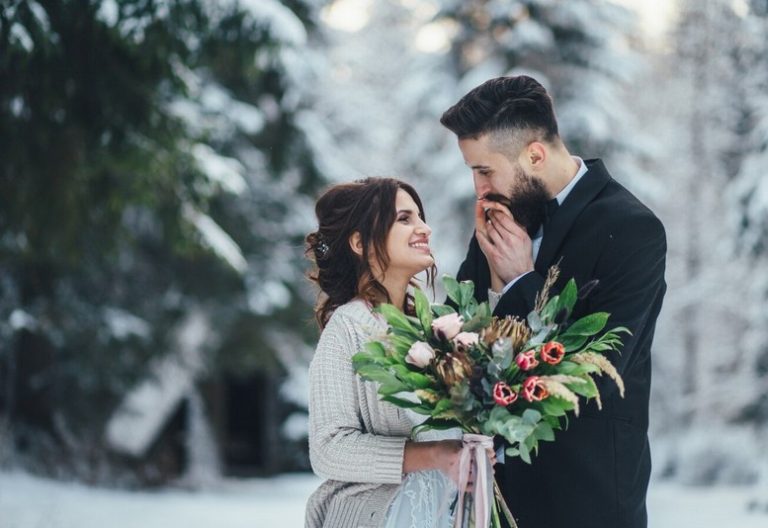



Allowing more time for getting ready is an important tip.