
5 min read
890 words
Have you ever stopped to consider how much has changed on the tennis court, not just in terms of technique, but in what players actually wear? The journey of tennis fashion evolution is a fascinating trip through history, athleticism, and social change. What began as formal attire built for decorum has transformed into high-tech, high-fashion modern tennis apparel.
Grab your imaginary racket and join us as we travel back through the decades to explore how trends have influenced (and been influenced by) the world’s most stylish sport.
The Early Days: Function Over Form (And The Corset)
In the early 20th century, tennis was predominantly a social affair, and the clothing reflected strict societal expectations. The history of tennis clothing begins with heavy, restrictive garments.
Imagine trying to serve in this:
- For Men: Long-sleeved, button-up shirts, often paired with heavy flannel trousers. Performance was secondary to looking presentable.
- For Women: Ankle-length skirts, often layered over stiff petticoats, and worst of all, many were expected to wear corsets underneath. This heavy fabric and tight structure made movement strenuous and uncomfortable, severely hindering a player’s ability to move quickly across the grass court. The focus was entirely on modesty and formality, not maximizing athletic potential.
The breakthrough came subtly: as courtside temperatures rose and players demanded greater comfort, designers slowly began experimenting with marginally lighter fabrics and slightly shorter hemlines, setting the stage for the athletic revolution.
The Mid-Century Revolution: Performance Takes Center Court
As tennis transitioned from a societal pastime to a dedicated sport in the mid-20th century, the demand for practical, performance-driven clothing skyrocketed. This era marks the true beginning of modern tennis style.
The shift was immediate and liberating:
- Shorter Silhouettes: Skirts moved up from the ankle to just below the knee, and finally, above the knee. Men shed their heavy trousers for tailored shorts. This increased mobility was non-negotiable for the faster pace of the game.
- Fabric Innovation: Heavy wool and flannel were replaced by lighter, more breathable materials. The introduction of cotton and, eventually, synthetic fabrics meant players could stay cooler and dryer during grueling matches.
- The Polo Shirt: The iconic tennis polo, originally popularized by René Lacoste in the late 1920s, became the standard upper garment, offering ventilation and a defined, athletic profile that remains fundamental to the sport today.
This era cemented the fact that clothing was a tool for performance, not just a symbol of status.
Game Changers: How Icons Defined Tennis Style
While practicality dominated the mid-century, the late 20th century introduced individualism and bravado into tennis fashion, largely driven by iconic personalities who understood the power of visual branding.
Breaking Tradition: The Agassi Effect
In the 1990s, Andre Agassi challenged the traditional, conservative aesthetic of the sport. Known for his distinctive denim shorts, flashy neon jackets, and striking headbands, Agassi’s fashion was a loud, vibrant departure from the strict Wimbledon dress code (which famously requires almost entirely white attire). He proved that expressive personality could thrive alongside athletic excellence, paving the way for color and bold designs on courts globally.
High Fashion Meets High Performance: The Serena Williams Legacy
Few athletes have impacted tennis style as profoundly as Serena Williams. Known for her powerful game and equally powerful fashion choices, Serena utilized the court as a runway. From tutus and denim skirts to collaboration pieces with top designers like Virgil Abloh and Nike, her outfits blended athleticism with avant-garde design. Her bold approach legitimized tennis apparel as a serious component of the high-fashion world while prioritizing fit and function for the elite athlete.
Modern Tennis Apparel: Where Technology Meets Trend
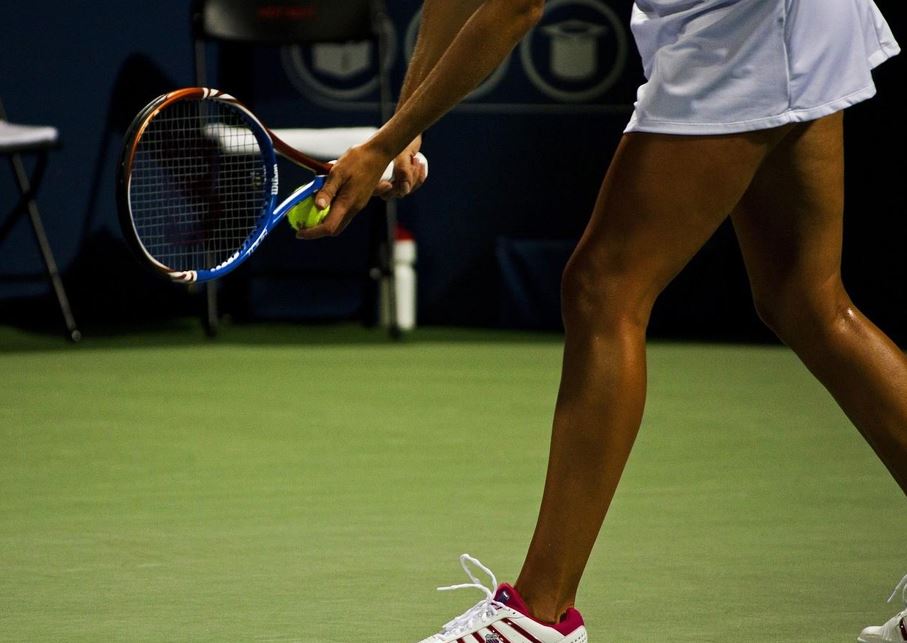
Today, modern tennis apparel is a seamless blend of textile engineering and cutting-edge design. Performance-enhancing technology is standard, ensuring that modern players are equipped to handle any condition.
Key features of contemporary tennis clothing include:
- Moisture-Wicking Fabrics: Materials designed to rapidly pull sweat away from the body, keeping players dry and comfortable.
- UV Protection: Built-in sun blocking capabilities essential for long days spent under the sun.
- Ergonomic Design: Compression features, seamless construction, and four-way stretch fabrics that allow for a full range of explosive motion without restriction.
Major brands like Nike, Adidas, Lacoste, and New Balance continue to push boundaries, resulting in stylish and functional clothing that appeals not only to professional athletes but also to amateur players and fashion enthusiasts alike.
Beyond the Binary: Gender Neutrality in Court Wear
One of the most noteworthy shifts in recent years is the move towards more shared silhouettes and styles regardless of gender. While certain traditions remain, it is increasingly common to see players—both men and women—wearing similar performance pieces, such as streamlined shorts, aerodynamic tanks, and classic polo shirts. This evolution reflects the broader conversation around gender equality in sports, prioritizing the athlete’s comfort and performance over outdated, gendered expectations.
The Future of Court Style
From the restrictive long skirts of the early 1900s to the moisture-managing, statement-making pieces of today, the evolution of tennis fashion tells a remarkable story. What players wear on the court is no longer arbitrary; it is a critical component of performance, a vibrant form of personal expression, and a reflection of social change.
As technology advances and designers continue to collaborate with high-performance athletes, we can expect tennis fashion to remain at the exciting intersection of sport and style for years to come.
 Lynn Leblanc
  Jennifer Williams
  Debbie Price