
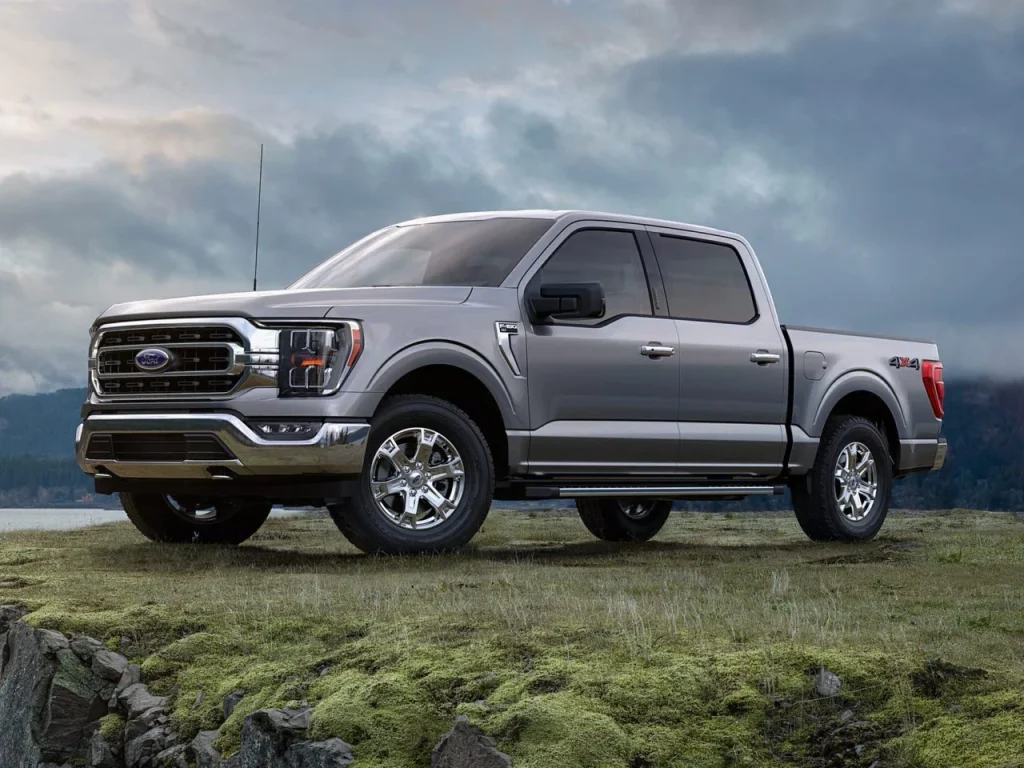
9 min read
1662 words
In the highly competitive world of powerful American vehicles, two titans consistently rise to the top: the iconic Ford F-150 Truck and the ruggedly luxurious Jeep Grand Cherokee SUV. Both vehicles command respect, offering remarkable features, immense capability, and performance that defines their respective segments.
However, choosing between a full-sized pickup truck and a high-end, off-road-capable SUV is more than just a matter of preference—it’s a choice of lifestyle. Are you prioritizing maximum hauling and utility, or do you need a blend of premium comfort and superior off-road articulation?
This in-depth comparison of the Ford F-150 vs. Jeep Grand Cherokee will break down performance metrics, utility differences, and interior features to help you determine which of these top-tier vehicles aligns best with your needs and ensures optimal SEO ranking for competitive comparison searches.
The Ford F-150 – Defining the Modern Workhorse
The Ford F-150 is not just a truck; it is the cornerstone of American utility. For decades, it has led the market, celebrated for its robust aluminum-alloy body, massive engine options, and unparalleled ability to adapt to severe work requirements. It is the definitive choice for those who need a true utility vehicle first and a daily driver second.
Power and Capability: Where the F-150 Dominates
When discussing raw power and load handling, the F-150 sets the standard. Its architecture is explicitly designed for strenuous tasks, making it vastly superior to almost any SUV on the market in core utility metrics.
Key Features of the Ford F-150 Truck:
- Powerful Engine Options: The F-150 offers a diverse powertrain lineup, including the robust 5.0L V8, the highly efficient and capable EcoBoost V6 engines, and powerful hybrid variants.
- Segment-Leading Towing: With the right configuration, the F-150 boasts an impressive maximum towing capacity that can exceed 13,200 pounds. This capacity is critical for hauling large boats, heavy construction equipment, or multi-axle trailers.
- Payload Utility: Unlike an SUV, the F-150 offers a dedicated bed optimized for hauling dirty equipment, supplies, and heavy payloads. Its maximum payload often exceeds 2,500 pounds, a capability the Grand Cherokee cannot approach.
- Advanced Technology: Features like Pro Trailer Backup Assist and the sophisticated Ford SYNC infotainment system enhance both efficiency and connectivity on the job site.
Interior and Cabin Space: Designed for Function
While the F-150’s primary focus is utility, modern iterations have vastly improved comfort and technology. Crew cab models offer spacious interiors, providing plenty of legroom and storage space for tools and gear. Its interior is built to be durable, often prioritizing rugged materials that can withstand heavy use while still integrating high-tech features essential for modern drivers.
The Jeep Grand Cherokee – Blending Off-Road Prowess with Premium Comfort
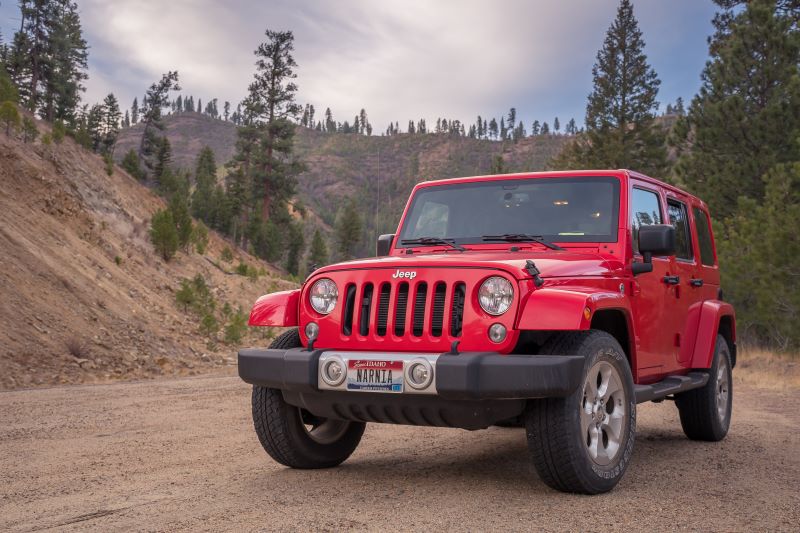
If the F-150 represents the pinnacle of utility, the Jeep Grand Cherokee SUV represents the pinnacle of versatile rugged luxury. The Grand Cherokee excels at seamlessly blending exceptional off-road capabilities—a heritage trait of the Jeep brand—with the refined comfort and sophisticated technology expected of a premium SUV.
Performance and Trail Readiness
The Grand Cherokee is engineered for adventure. While it can’t rival the F-150’s towing figures, it offers superior performance when the pavement ends. Its advanced 4×4 systems and sophisticated suspension make it highly capable on trails, rocks, and mud.
Key Features of the Jeep Grand Cherokee SUV:
- Exceptional Off-Road Capabilities: The available Quadra-Trac and Quadra-Drive 4×4 systems, coupled with selectable drive modes and adjustable air suspension (Quadra-Lift), provide impressive ground clearance and articulation for conquering tough terrain.
- Engine Variety and V8 Power: Engine options range from efficient V6s to formidable V8s (and sometimes high-performance Trackhawk/SRT variants), offering a balanced blend of efficiency and highway passing power.
- Luxurious Interior: The Grand Cherokee often utilizes high-quality materials, premium leather, and detailed finishes, providing a highly comfortable and aesthetically pleasing cabin experience that leans heavily toward the luxury SUV segment.
- Advanced Safety: Standard and available safety features, including lane departure warning, blind-spot monitoring, and adaptive cruise control, make it an excellent choice for family transport.
Ride Quality and Daily Driving
For many adults, the daily commute is a major factor. The Grand Cherokee generally offers a quieter, smoother, and more refined ride quality than the F-150, especially in higher luxury trims. Its unit-body construction (unlike the F-150’s body-on-frame) contributes to a more isolated and sedan-like driving experience on paved roads.
Head-to-Head Comparison: Five Key Decision Points
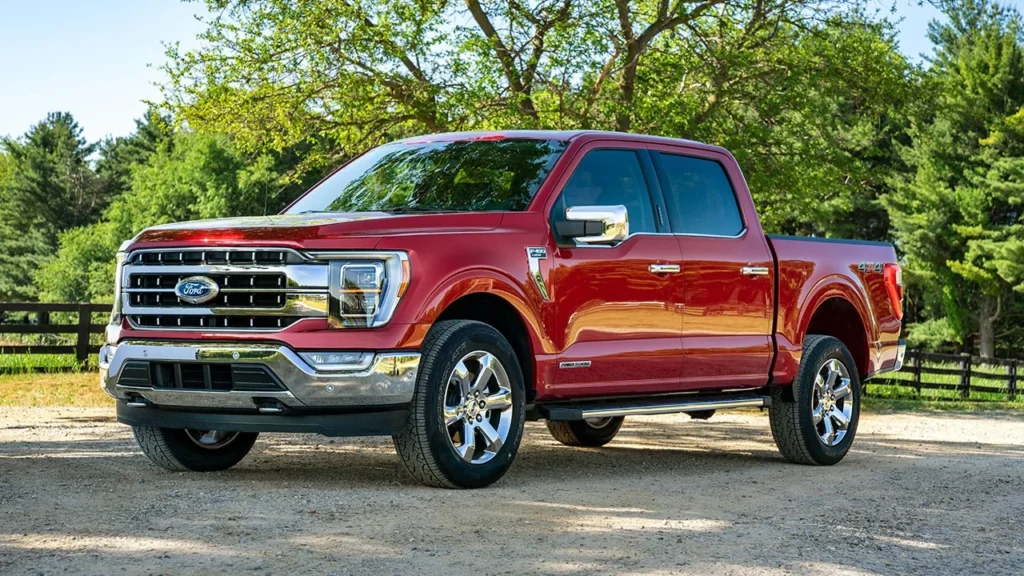
The choice between the Ford F-150 vs Jeep Grand Cherokee ultimately boils down to how you plan to use the vehicle most often. Here is a detailed comparison across the five most critical factors.
1. Capability Battle: Towing vs. Terrain Mastery
| Feature | Ford F-150 Truck | Jeep Grand Cherokee SUV | Winner (based on category) |
|---|---|---|---|
| Maximum Towing Capacity | Up to 13,200 lbs | Typically 6,200 – 7,200 lbs | F-150 (Utility) |
| Payload Capacity | 2,000+ lbs | Under 1,500 lbs | F-150 (Work) |
| Maximum Ground Clearance | Good (Up to 9.4 inches) | Excellent (Up to 10.9 inches with air suspension) | Grand Cherokee (Off-Road) |
| Purpose-Built Utility | Truck Bed (Open, durable, adaptable) | Trunk/Cargo Area (Secured, carpeted) | F-150 |
Verdict: If your primary need involves hauling heavy equipment, RVs, or construction materials, the F-150 is the indisputable choice. If your priority is traversing deeply rutted trails, navigating severe weather conditions, and rock crawling, the Grand Cherokee’s specialized 4×4 systems give it the edge in pure off-road articulation.
2. Comfort, Interior Experience, and Seating
While both vehicles offer comfortable seating and modern features, their approach to interior design differs significantly based on their mission:
- F-150: The F-150’s interior focuses on practicality and durability, especially in lower trims. However, high-end Lariat or Platinum F-150 trims rival luxury SUVs in tech and comfort, often including features like the fold-flat workspace and panoramic sunroofs. Its passenger comfort is maximized for long hauls and road trips, offering the most spacious front and rear legroom in the comparison.
- Grand Cherokee: The Grand Cherokee leans heavily into premium tactile experiences. Materials like Nappa leather, wood trim, and sophisticated ambient lighting are common. The ride quality is generally smoother on the highway, making it feel more like a luxury vehicle.
Verdict: For overall passenger refinement and a quieter, more isolated luxury feel on the highway, the Jeep Grand Cherokee typically wins. For sheer interior volume and legroom, the F-150 Crew Cab takes the lead.
3. Technology and Infotainment
Both Ford and Jeep (Stellantis) invest heavily in technology, but they utilize different systems:
- F-150: Uses the Ford SYNC system, known for its excellent integration with truck-specific features (like trailer profiles and zone lighting). It often provides large central touchscreen displays (up to 12 inches) that are highly responsive and user-friendly.
- Grand Cherokee: Features the Uconnect system, frequently praised by critics for its intuitive layout, rapid processing speed, and clear graphics. Newer models often include a large central display and a separate passenger-side screen for entertainment and navigation.
Verdict: Both systems are highly competitive and feature Apple CarPlay and Android Auto compatibility. Uconnect in the Grand Cherokee often gets slight praise for its speed, but the F-150’s integration of utility features is unmatched. This area is mostly a Tie, dependent on brand preference.
4. Fuel Economy and Daily Running Costs
Fuel efficiency is an important consideration, particularly given current fuel prices and the sheer size of these vehicles.
- The F-150, due to its size and body-on-frame construction, inherently burns more fuel. However, modern Ford EcoBoost V6 engines and the PowerBoost hybrid option have significantly improved mpg figures, often rivaling large SUVs.
- The Grand Cherokee, especially when equipped with the standard V6, is generally lighter and more aerodynamic than the F-150. This often gives it a slight edge in combined EPA ratings, particularly in urban driving. Opting for the massive V8 in either vehicle will drastically reduce fuel economy.
Verdict: The Jeep Grand Cherokee V6 will typically offer marginally better fuel economy for daily commuting, making it slightly cheaper to run day-to-day.
5. Pricing, Trim Levels, and Value Retention
Both vehicles are offered across a massive price spectrum, from basic work versions to high-end luxury models.
- F-150: The sheer number of trims (XL, XLT, Lariat, King Ranch, Platinum, Limited, Raptor) means the base F-150 is often more accessible to buyers seeking a stripped-down work truck than the base Grand Cherokee.
- Grand Cherokee: While it also has a wide range of trims (Laredo, Limited, Overland, Summit), its entry-level price point tends to be slightly higher than the F-150’s base model, reflecting its standard premium interior features.
Historically, both models hold their value well, though the F-150 often maintains a slightly stronger resale value percentage over five years, a testament to the perpetual demand for full-size pickup trucks.
The Final Verdict: Choosing Your Vehicle Lifestyle
Ultimately, the decision between the Ford F-150 Truck vs. Jeep Grand Cherokee SUV is less about which vehicle is objectively “better” and more about which vehicle perfectly fits your lifestyle requirements.
Choose the Ford F-150 Truck If:
- Work is Your Priority: You regularly need to tow travel trailers, haul heavy materials, or require the security and utility of a dedicated truck bed.
- Maximum Space is Necessary: You need the superior legroom and storage capacity offered by a large crew cab.
- You Value Utility Over Refinement: You prefer rugged, body-on-frame durability that can handle severe workloads without compromise.
Choose the Jeep Grand Cherokee SUV If:
- Luxury and Comfort are Key: You prioritize a refined, highly comfortable, and quiet ride for daily driving and road trips.
- Off-Road Capability is Essential, but Towing is Secondary: You frequently encounter deep snow, mud, or need superior capability on challenging trails, but will only tow light to moderate loads (under 7,000 lbs).
- You Need Secure Cargo: You require a closed, climate-controlled space (a traditional trunk) for luggage, pets, or sensitive equipment.
In conclusion, both the Ford F-150 and the Jeep Grand Cherokee are top-notch vehicles that offer style, power, and substance in abundance. By analyzing your individual needs—such as prioritizing the F-150’s 13,200-pound towing potential or the Grand Cherokee’s luxurious interior and legendary 4×4 mastery—you can confidently select the vehicle that will serve you best for years to come.
 Lynn Leblanc
  Leo Allen